

Strait of Hormuz Fuel Crisis is escalating global tensions as voices surprise over refusing to send troops to support operations in the Gulf.
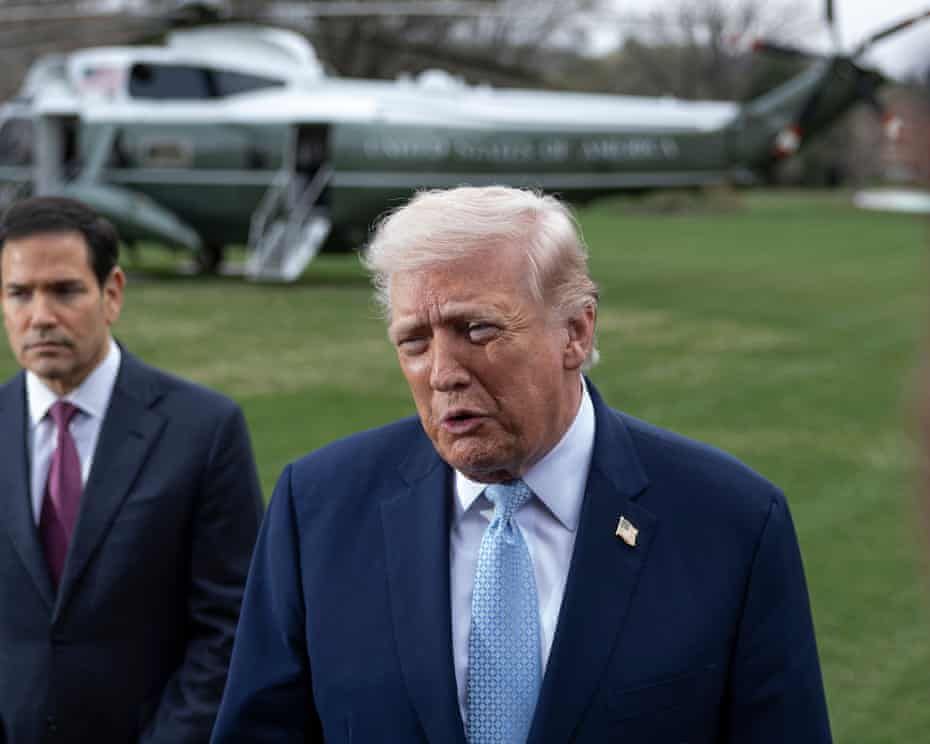
Speaking from Washington, Trump said he was “very surprised” by Australia’s decision, suggesting that long-standing allies should be more willing to back US-led efforts. His remarks reflect growing frustration as Washington seeks broader international support in the conflict.
The disagreement comes at a critical moment, with the Strait of Hormuz Fuel Crisis disrupting global energy supplies. The vital shipping route between and remains unstable, sending shockwaves through oil markets worldwide.
Earlier, Trump had also criticized and for declining to deploy naval forces, while taking aim at , describing it as ineffective without US leadership.
However, Australian Prime Minister rejected the criticism, stating that Australia had fulfilled all requests made by its allies. He emphasized that no formal request for troop deployment had been received.
Read also: Iran-US war latest escalation: Israel strikes again as Trump restrains energy attacks
Australia’s response highlights a broader reluctance among US allies to deepen military involvement. While many support maintaining open sea lanes, they remain cautious about escalating their role in a rapidly expanding conflict.
The Strait of Hormuz Fuel Crisis continues to drive economic strain globally. Fuel prices have surged, with countries experiencing rising costs that affect transportation, businesses, and everyday consumers.
The has warned that the الأزمة poses an unprecedented threat to global energy supply, stressing that restoring safe passage through the strait is essential to stabilizing markets.
In response to rising costs, companies like have increased fares, while governments are introducing measures to manage fuel distribution and prevent shortages.
Diplomatic efforts are ongoing, with multiple countries calling for de-escalation and cooperation to secure critical waterways. However, divisions among allies risk complicating these efforts.
Trump’s criticism underscores a deeper challenge for the United States: maintaining strong alliances while pushing for greater military support. Public disagreements can strain relationships and weaken coordinated responses.
At the same time, countries like Australia must balance alliance commitments with domestic concerns, including public opinion and economic pressures.
The Strait of Hormuz Fuel Crisis also illustrates how regional conflicts can have far-reaching global consequences. Disruptions in one strategic location are now affecting economies and political dynamics worldwide.
As tensions persist, the question remains whether allies can overcome their differences to address the crisis—or whether divisions will deepen, prolonging instability in global energy markets.
About The Author
