

Iran-US war latest escalation dominates global headlines as Israel launches fresh strikes on Iran despite warnings from Donald Trump against targeting critical energy infrastructure.
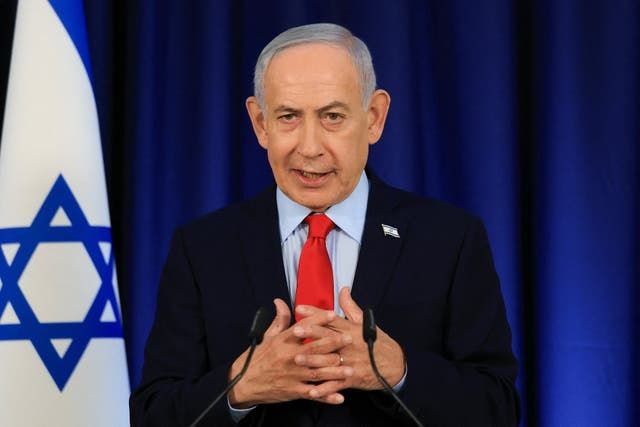
The renewed bombardment comes amid intensifying coordination between Washington and Benjamin Netanyahu, even as both leaders publicly signal limits to escalation in the widening Middle East conflict.
Israeli officials confirmed new air raids across strategic sites near Tehran, continuing a campaign that has stretched into its fourth week with devastating consequences across military and civilian infrastructure.
Netanyahu insisted Israel acted independently in previous strikes on the South Pars gas field, emphasizing national security priorities while acknowledging Trump privately urged restraint on further energy-related attacks.
The Israeli leader described Iran as “weaker than ever,” claiming sustained airstrikes have crippled its capacity to produce ballistic missiles and significantly disrupted uranium enrichment capabilities over recent weeks.
Meanwhile, Trump reiterated he has no intention of deploying American ground troops, stating clearly that the United States would avoid deeper military entanglement despite its ongoing support for Israeli operations.
This delicate balance highlights growing tensions within the alliance, as Washington seeks to contain escalation while Israel continues aggressive military actions aimed at weakening Iran’s strategic and economic resilience.
Iran responded with stern warnings, declaring it would show “zero restraint” if its energy infrastructure is targeted again, raising fears of broader regional retaliation and a potential surge in global instability.
The conflict has already spilled beyond Iran’s borders, with drone attacks reported on oil facilities in Kuwait, including the Mina Al-Ahmadi refinery, forcing partial shutdowns and emergency responses.
Energy markets reacted sharply, with oil prices surging above $100 per barrel before stabilizing, underscoring how vulnerable global supply chains remain to disruptions in the Gulf region’s critical infrastructure.
The strategic Strait of Hormuz has become a focal point, as Iran claims control over the waterway, leaving hundreds of international vessels stranded or rerouted.
Reports indicate at least sixteen ships have been attacked since hostilities began, intensifying fears among global shipping companies and insurers navigating one of the world’s most crucial oil transit routes.
Some countries are now quietly negotiating with Tehran for safe passage, signaling a shift toward pragmatic diplomacy even as military tensions continue to escalate across the broader Middle East region.
The war has also affected global sports and diplomacy, with Iran requesting FIFA relocate its World Cup matches away from the United States over safety concerns tied to the ongoing conflict.
However, FIFA appears reluctant to alter tournament plans, highlighting how geopolitical tensions increasingly intersect with international sporting events and global public perception.
On the ground, humanitarian concerns continue to mount, with reports suggesting thousands of casualties since the conflict began, including significant numbers of civilians and children caught in crossfire.
Air raid sirens have become routine in parts of Israel, including Jerusalem, where residents regularly seek shelter amid fears of retaliatory strikes from Iranian forces or allied groups.
Simultaneously, explosions have echoed across Tehran during culturally significant moments such as Nowruz, amplifying the psychological toll of war on ordinary citizens during important national celebrations.
Beyond Iran and Israel, the conflict is reshaping regional alliances, with Gulf states urging restraint while strengthening defensive cooperation in anticipation of further escalation or spillover violence.
The United Kingdom has signaled plans to increase defensive support for Gulf allies, reflecting broader Western concerns about the war’s potential to destabilize energy markets and global economic recovery.
Economic consequences are already visible, with rising fuel costs threatening inflation spikes worldwide, forcing central banks to reconsider interest rate cuts and potentially tighten monetary policy further.
Analysts warn that continued targeting of energy infrastructure could trigger prolonged economic disruption, particularly for countries heavily dependent on imported oil and gas supplies from the Middle East.
The situation also exposes underlying tensions between the United States and Israel, despite their close alliance, as Washington attempts to manage escalation while supporting its key regional partner.
If these differences deepen, they could strain diplomatic coordination, complicate military strategy, and create uncertainty among allies who rely on consistent US leadership in global security matters.
At the same time, Iran’s strategy appears focused on leveraging its geographic and energy advantages, using control of critical routes and infrastructure to exert pressure on global markets and adversaries alike.
This evolving dynamic raises the risk of a prolonged conflict defined not just by direct military confrontation but by economic warfare, cyber operations, and proxy engagements across multiple countries.
As the war enters a critical phase, the international community faces mounting pressure to push for diplomatic solutions before the situation spirals into a broader regional or even global crisis.
Read more here: Israel pounds Tehran with airstrikes as Nowruz tension escalates across Middle East
For now, the Iran-US war latest escalation remains a volatile and unpredictable flashpoint, with each new strike, warning, or negotiation shaping the trajectory of one of the most dangerous conflicts in recent years.
About The Author
