

Israel pounds Tehran with airstrikes on Friday as Iran marked Nowruz celebrations, triggering fear, disruption, and geopolitical anxiety across the region, with leaders exchanging sharp rhetoric and military signals.
Residents in Tehran described loud explosions interrupting festivities, as markets preparing for the Persian New Year turned tense. “We heard blasts instead of fireworks,” one witness said, capturing public fear.
The escalation comes amid a fragile regional balance, with Iran and Israel exchanging strikes targeting energy infrastructure and strategic facilities, deepening concerns of a prolonged confrontation affecting global oil markets and security.
Israeli officials insisted the strikes were necessary to curb Iran’s military capabilities. “We will act wherever needed,” a senior official said, emphasizing what Israel calls preemptive defense against emerging threats.
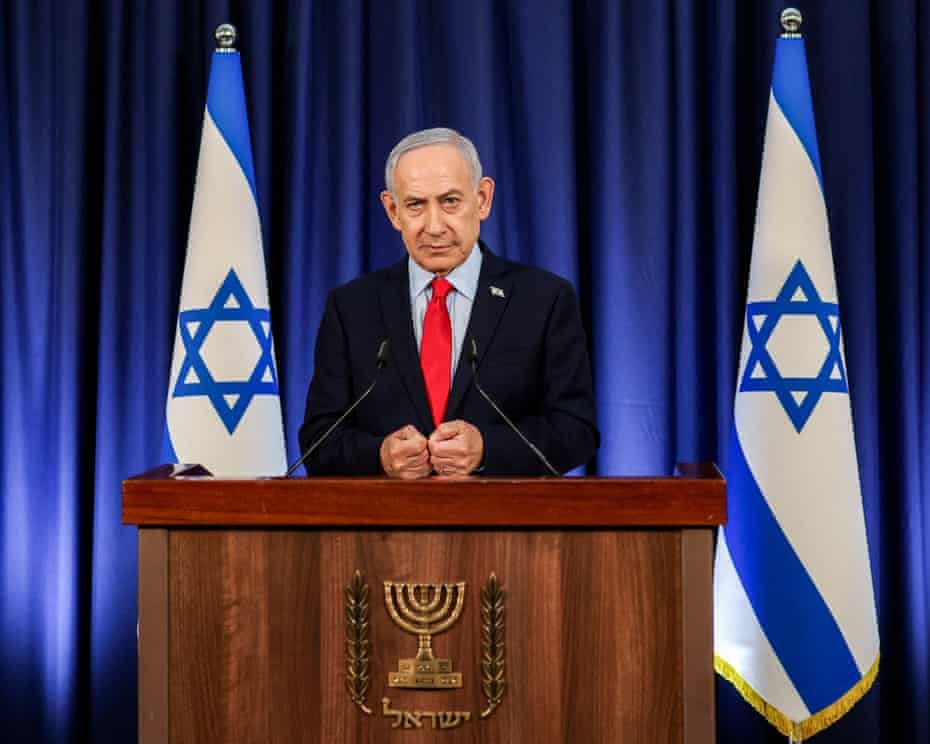
Prime Minister Benjamin Netanyahu rejected claims that he influenced United States involvement, stressing that Israel acted independently in key operations, including the controversial South Pars gas field strike.
“Does anyone think someone can dictate to President Trump?” Netanyahu said. “He didn’t need convincing,” he added, portraying a relationship built on alignment rather than dependence or coercion.
Meanwhile, Donald Trump signaled caution about deeper military engagement, raising questions about how closely Washington’s strategy aligns with Israel’s increasingly aggressive posture in the region.
Analysts say the divergence in tone could signal underlying friction. While Israel pushes forward militarily, the United States appears more measured, balancing deterrence with concerns about broader regional destabilization.
Iranian authorities condemned the strikes, describing them as violations of sovereignty during a culturally significant holiday. “This aggression will not go unanswered,” a government spokesperson warned in a televised statement.
Nowruz, a symbol of renewal and unity, was overshadowed by anxiety as families weighed celebration against safety. Streets that typically bustle with joy saw reduced activity amid fears of further escalation.
Energy infrastructure has emerged as a focal point in the conflict, with both sides targeting gas and oil assets. Experts warn such actions risk disrupting global supply chains and increasing economic volatility.
The South Pars gas field, one of the world’s largest, became a flashpoint after Israel reportedly struck the site despite earlier assurances to avoid such sensitive targets in ongoing hostilities.
Iran responded with increased attacks on Gulf energy installations, signaling its capacity to retaliate asymmetrically. “We have many options,” an Iranian military analyst said, hinting at broader strategic reach.
Security experts caution that sustained attacks on infrastructure could trigger unintended consequences, including environmental damage and economic shocks affecting countries far beyond the immediate conflict zone.
The question of nuclear capability remains central to Israel’s justification. Netanyahu claimed Iran’s ability to enrich uranium had been significantly degraded, though independent verification remains limited and contested.
“Iran is being decimated,” Netanyahu asserted, suggesting military pressure has achieved critical objectives. However, analysts warn such claims may be premature and politically motivated.
Calls for restraint have emerged from global actors, urging both sides to de-escalate. European leaders emphasized diplomacy, warning that continued strikes could spiral into a wider regional war.
Within Israel, public opinion appears divided, with some supporting decisive military action while others fear the long-term consequences of sustained conflict with a powerful regional adversary like Iran.
In Iran, nationalist sentiment has surged, with citizens rallying around the government despite internal challenges. “We will defend our country,” a Tehran resident said during a street interview.
The timing of the strikes during Nowruz carries symbolic weight, potentially intensifying public anger. Cultural moments often amplify political reactions, turning military actions into broader societal flashpoints.
Observers note that both nations are engaged in strategic messaging as much as military confrontation, seeking to project strength while shaping international perception and support.
The United States remains a critical player, even as it avoids direct escalation. Its military presence in the region continues to influence calculations by both Israel and Iran.
“There is coordination, but also caution,” a Washington-based analyst said, highlighting the complexity of alliances under pressure during rapidly evolving geopolitical crises.
Regional neighbors are watching closely, concerned about spillover effects. Gulf states, in particular, face heightened risks due to their proximity to key energy routes and infrastructure.
Shipping lanes in the Persian Gulf remain under scrutiny, with fears that continued conflict could disrupt maritime trade and trigger broader economic consequences globally.
Diplomatic channels remain open but strained. Backdoor negotiations reportedly continue, though progress has been slow amid ongoing hostilities and mutual distrust.
Experts argue that without a clear off-ramp, the conflict risks becoming entrenched. “Escalation can become self-sustaining,” one analyst warned, pointing to historical precedents in the region.
The role of misinformation and propaganda also complicates the situation, as conflicting narratives emerge from both sides, making it difficult to assess the full scope of damage and intent.
Military analysts suggest that while airstrikes can weaken infrastructure, they rarely achieve decisive political outcomes without complementary diplomatic efforts or ground operations.
Netanyahu hinted at this complexity, noting that broader change in Iran would require additional measures. “There are limits to what air power alone can achieve,” he acknowledged indirectly.
The humanitarian dimension is also growing, with civilians bearing the brunt of disruptions. Access to basic services and economic stability has been affected in several impacted areas.
International organizations have called for protection of civilians and adherence to international law, urging restraint even as tensions continue to escalate across multiple fronts.
Social media has amplified real-time accounts of the strikes, spreading images and testimonies that shape global awareness and influence public opinion on the unfolding crisis.
Younger generations in both countries are increasingly vocal, expressing frustration over conflict overshadowing prospects for stability, economic growth, and international cooperation.
Despite the intensity of the confrontation, some analysts believe both sides may still seek to avoid full-scale war, recognizing the catastrophic consequences such a scenario would entail.
“Neither side truly wants total war,” a regional expert said. “But miscalculations can lead there,” highlighting the fragile balance currently defining the situation.
As the situation evolves, global markets remain sensitive to developments, particularly in energy prices, which have shown volatility in response to the escalating conflict.
Read also: UK military Hormuz reopening plan signals rising global stakes in energy security crisis
The coming days are expected to be critical, with potential for either escalation or cautious de-escalation depending on political decisions and military actions on both sides.
For now, the region remains on edge, as Israel pounds Tehran with airstrikes, marking a dangerous chapter in an already volatile geopolitical landscape.
About The Author
