

Nigeria’s security architecture is receiving renewed attention as Intelligence Training continues to play a central role in strengthening the capabilities of personnel across various agencies.
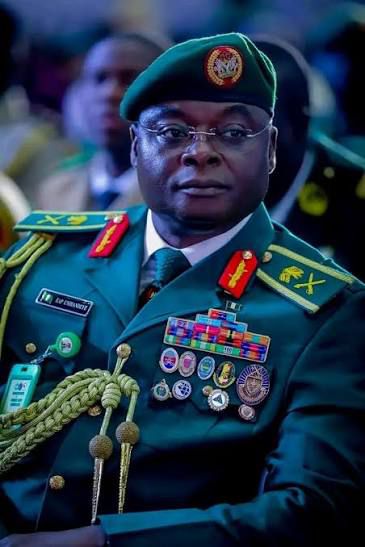
At the forefront of this effort is the Chief of Defence Intelligence, Emmanuel Undiandeye, who has reiterated the importance of equipping officers with modern investigative and analytical skills to address evolving threats.
Speaking during the graduation ceremony of the Security Investigation and Interrogation Course (SIIC) 14/2026 at the Defence Intelligence College in Abuja, the defence intelligence boss highlighted how Intelligence Training enhances the operational readiness of officers tasked with safeguarding the nation.
According to him, the growing complexity of global and domestic security challenges requires a more sophisticated approach to intelligence gathering and analysis.
The eight-week course brought together participants from a wide range of agencies, including the Nigerian Army, Nigerian Navy, Nigerian Air Force, Nigeria Police Force, Economic and Financial Crimes Commission, and the National Agency for the Prohibition of Trafficking in Persons, among others.
This diversity, he noted, reflects a deliberate strategy to foster unity and collaboration among institutions responsible for national security.
Represented by Rear Admiral S. J. Oyegade, Undiandeye explained that modern threats such as terrorism, cybercrime, and organised criminal networks often operate across borders, making isolated responses ineffective.
He stressed that Intelligence Training enables officers to develop a shared understanding and coordinated response mechanisms, thereby improving overall effectiveness.
Beyond technical skills, the training programme was described as a platform for professional growth and strategic thinking.
Participants engaged in practical exercises designed to simulate real-world scenarios, allowing them to refine their decision-making abilities under pressure.
This hands-on approach ensures that officers are not only knowledgeable but also capable of applying what they have learned in high-stakes environments.
The Defence Intelligence Chief also underscored the importance of continuous investment in human capital.
He noted that no security system can function effectively without well-trained personnel who understand both the science and art of intelligence work.
As such, Intelligence Training remains a cornerstone of efforts to build a resilient and adaptive security framework in Nigeria.
He further commended the leadership of the College, particularly its Commandant, Usman Bugaje, for maintaining high standards in training delivery.
The institution, he said, has continued to distinguish itself as a premier centre for developing intelligence professionals capable of addressing contemporary challenges.
A key highlight of the programme was the emphasis on inter-agency cooperation.
Participants were encouraged to sustain the relationships formed during the course, as these networks are essential for effective intelligence sharing and joint operations.
The collaborative spirit fostered through Intelligence Training is expected to translate into improved coordination in the field.
Undiandeye also reminded the graduates that completing the course marks the beginning of greater responsibility.
He urged them to apply their newly acquired skills with discipline and integrity, noting that the success of any investigation depends not only on the information obtained but also on the methods used in gathering and analysing it.
He stressed that professionalism, confidentiality, and patriotism must guide their conduct at all times.
According to him, officers must remain committed to upholding the values of their respective institutions while contributing to the broader goal of national security.
In his remarks, Commodore Bugaje expressed appreciation to the instructors who made the programme possible.
Many of them, he revealed, are retired senior intelligence officers who brought a wealth of practical experience to the training.
Their contributions, he said, were instrumental in ensuring the success of the course and enriching the learning experience of participants.
He described their role as vital, noting that mentorship from seasoned professionals provides invaluable insights that cannot be obtained from textbooks alone.
This blend of theoretical knowledge and practical expertise is what makes Intelligence Training particularly effective in preparing officers for real-world challenges.
As Nigeria continues to confront a range of security threats, from insurgency to cybercrime, the emphasis on capacity building through structured training programmes is expected to yield long-term benefits.
Strengthening the skills and coordination of intelligence personnel remains a critical step toward achieving a safer and more secure nation.
Ireport247news
About The Author
