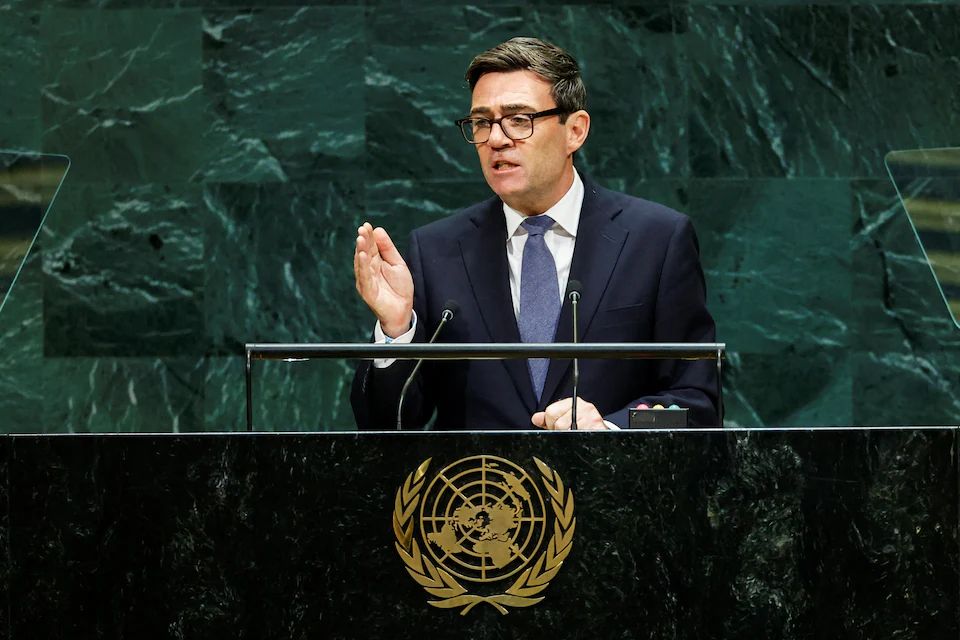
Trump threatens to annihilate Iran as diplomatic efforts intensify at the United Nations, with the US president warning Tehran of military escalation while negotiators work through intermediaries to find a possible agreement.
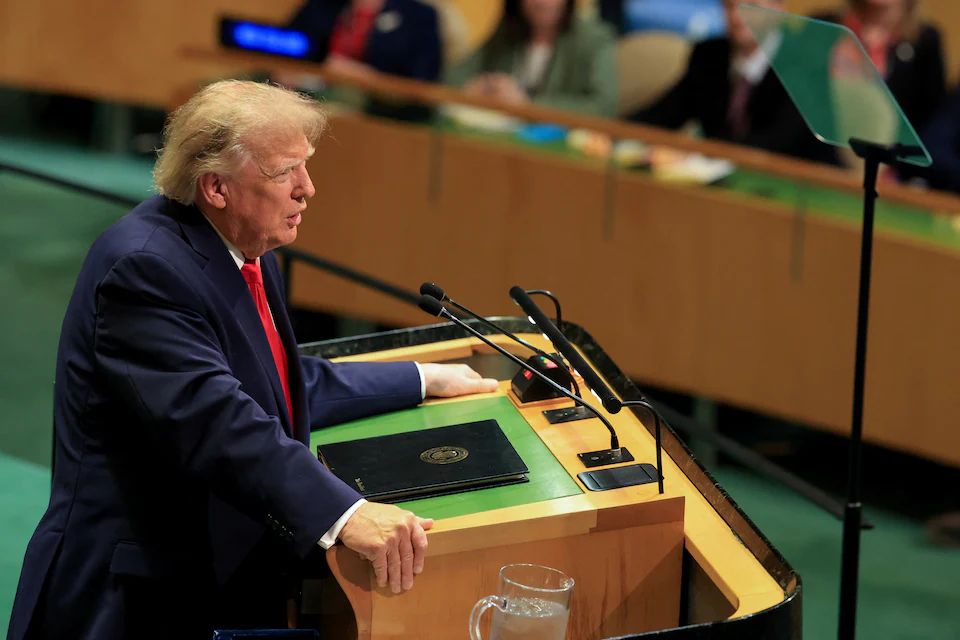
President Donald Trump issued the warning during his address to the 81st United Nations General Assembly in New York on Tuesday, saying he faced a major decision over whether to pursue a deal or take further military action against Iran.
“I have a big decision to make,” Trump said.
“Will a deal be made with Iran that lets them rebuild and create a far greater country than it ever was before?… Or do I annihilate the Islamic Republic and do it quickly, never giving them a chance to kill and destroy people and countries again?”
The remarks came as diplomatic contacts continued behind the scenes, creating a contrast between the public warnings from Washington and Tehran and efforts by mediators to keep negotiations alive.
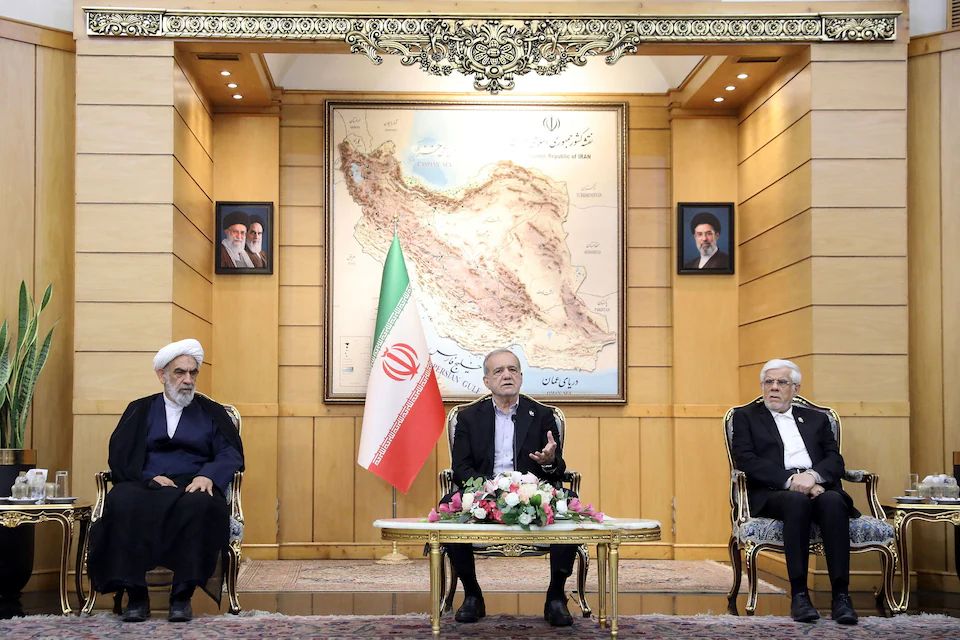
Trump Warns Iran While Talks Continue
US envoy Steve Witkoff said the United States and Iran held lengthy discussions on Tuesday through intermediaries who moved between the two sides throughout the day.
Witkoff said the mediators would continue their work and expressed hope that the discussions would “prove constructive and promising.”
Reuters reported that the diplomatic activity was taking place on the sidelines of the UN General Assembly, where leaders from the United States, Iran and Gulf countries were gathered amid the continuing conflict.
Trump also told Middle Eastern leaders that he believed a settlement with Iran could eventually be reached, while suggesting that the timing could extend beyond the November 3 US midterm elections.
“We think that the situation with Iran could end right after the (November 3) midterm elections, maybe before. I don’t know. You never know,” Trump said.
The comments came as the conflict continued to affect regional security, energy markets and shipping through the Strait of Hormuz.
Iran Rejects Trump’s Threat
Iran’s Armed Forces dismissed Trump’s UN remarks as “propaganda” and said Iranian forces remained prepared to respond to further attacks.
The Iranian military said its response would involve “full readiness to inflict more severe, crushing, and unpredictable blows on the aggressors.”
Iranian Parliament Speaker Mohammad Baqer Qalibaf also rejected the suggestion that Tehran could be compelled to surrender through military pressure.
“Trump must understand that he cannot impose his power on the Iranian people and its armed forces,” Qalibaf said.
The statements underline the gap between Washington and Tehran even as diplomatic contacts continue through intermediaries.
Iran Offers to Reopen Strait of Hormuz
Alongside the diplomatic discussions, a senior Iranian official told Reuters that Tehran could reopen the Strait of Hormuz within seven days if the United States eased military pressure and lifted its blockade on Iranian ports.
The proposal was reportedly conveyed to Washington through mediators and could allow Gulf shipping to resume if Iran’s conditions were met.
The Strait of Hormuz is a major global energy route. Before the war, it carried an estimated fifth of global oil and gas shipments, making disruption there a significant concern for energy markets and importing countries.
Shipping through the waterway has fallen sharply during the conflict. Reuters reported that only two commodity vessels crossed the Strait on Monday, compared with a pre-conflict average of about 125 large commercial vessels a day.
Iran’s proposal has therefore become an important element of the diplomatic discussions taking place around the UN General Assembly.
Gulf States Seek Security Arrangement
The wider talks also include discussions about a possible regional security framework involving Iran and the Arab Gulf states.
Regional sources told Reuters that Qatar had proposed a common security arrangement. One source said Iran was reviewing the proposal.
Qatari Prime Minister Sheikh Mohammed bin Abdulrahman Al Thani has previously argued that any regional arrangement would need to include security guarantees for Gulf states and greater economic interdependence with Iran.
Iranian Foreign Minister Abbas Araqchi also met Al Thani in New York as Qatar continued its diplomatic efforts aimed at reducing tensions.
The Gulf states have a direct interest in the future of the conflict because several depend heavily on shipping routes around the Strait of Hormuz and also host major US military installations.
Yemen Conflict Adds Pressure
The diplomatic efforts are unfolding alongside a widening conflict in Yemen, where Iran-aligned Houthi fighters have made advances against forces backed by Saudi Arabia.
Saudi Arabia has been drawn deeper into the conflict as the Houthis have threatened areas linked to the country’s energy exports and advanced toward strategic positions along Yemen’s Red Sea coast.
The United States has so far declined repeated Saudi requests to resume direct military strikes against the Houthis. The New York Times previously reported that Trump called off planned US strikes against the group at the last minute.
Secretary of State Marco Rubio said Washington would continue to support Saudi Arabia but described the Yemen conflict as dangerous and complex.
“That said, that is a very dangerous and complex conflict that pre-exists … We have a history with the Houthis as well, and that’s something we don’t want to see impacted either,” Rubio said.
The conflict has also increased concerns about alternative energy routes, particularly because Saudi Arabia has sought to bypass disruption around the Strait of Hormuz.
Saudi Oil Pipeline Restarts
Saudi Arabia restarted operations on its East-West oil pipeline on Tuesday, according to sources cited by Reuters, offering an alternative route for some crude exports.
The pipeline transports Saudi oil toward the Red Sea port of Yanbu, allowing shipments to avoid the Strait of Hormuz. Operations resumed at reduced levels after the infrastructure was damaged in attacks earlier this month.
The restart provided some relief to oil markets, although the broader supply situation remains dependent on developments in the Gulf and the future of shipping through Hormuz.
Diplomatic Path Remains Uncertain
The simultaneous threats and negotiations leave the direction of the conflict uncertain.
Trump has publicly presented two possible paths: an agreement that would allow Iran to rebuild or further military action against the Islamic Republic. At the same time, his administration has permitted diplomatic contacts through intermediaries.
Read also: Iran Strait of Hormuz reopening: Tehran offers seven-day deal as UN leaders warn of global fault lines
Iran has similarly maintained a combination of military warnings and diplomatic engagement. Its proposal to reopen the Strait of Hormuz within seven days provides one potential area for negotiations, but the United States has not publicly accepted Tehran’s conditions.
The UN General Assembly has therefore become a venue for parallel diplomatic activity as leaders attempt to address the conflict and its consequences for regional security, global energy supplies and international shipping.
For now, the central issues remain unresolved: whether Washington and Tehran can reach an agreement, whether Iran will reopen the Strait of Hormuz, and whether the fighting involving Iran and its regional adversaries will expand further.
Reuters reported that the diplomatic discussions continued on Tuesday as Trump and Iranian representatives remained publicly divided over the terms of any potential settlement.
About The Author