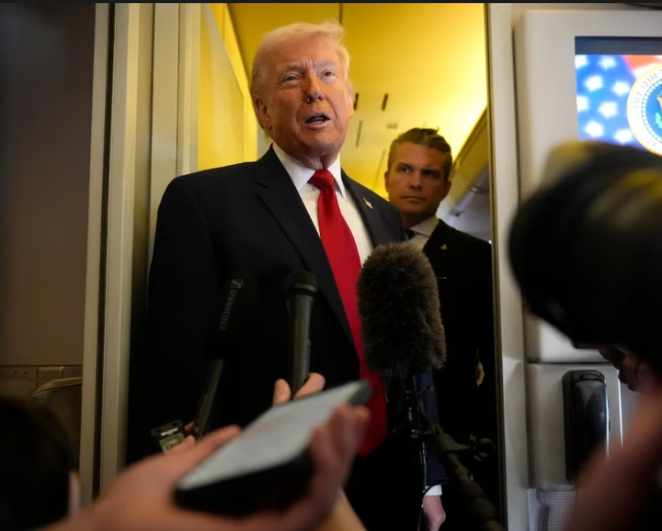
Trump tells Starmer help not needed as the US president publicly criticised British hesitation over Iran operations, despite American forces relying on UK military bases to support ongoing regional strike missions.
Donald Trump said Britain’s delayed military backing showed unreliability, declaring the United States had already achieved objectives and no longer required additional assistance from Keir Starmer’s government.
Posting on his Truth Social platform, Trump mocked London’s consideration of sending aircraft carriers, writing that the war was effectively decided and late involvement would not influence outcomes on the battlefield.
His remarks came even as American aircraft operated from British facilities after London approved limited base access, reflecting a complicated partnership balancing political caution with longstanding defence cooperation obligations.
The UK authorised US use of RAF Fairford and Diego Garcia for what ministers described as defensive missions intended to reduce missile threats and protect British personnel stationed regionally.
Britain’s Ministry of Defence confirmed American bombers had already arrived and begun operations, stressing actions were preventive and designed to contain escalation rather than signal full British participation in combat.
Officials emphasised that decisions were shaped by legal considerations, alliance commitments, and security assessments, while attempting to avoid direct frontline engagement that could widen political divisions domestically.
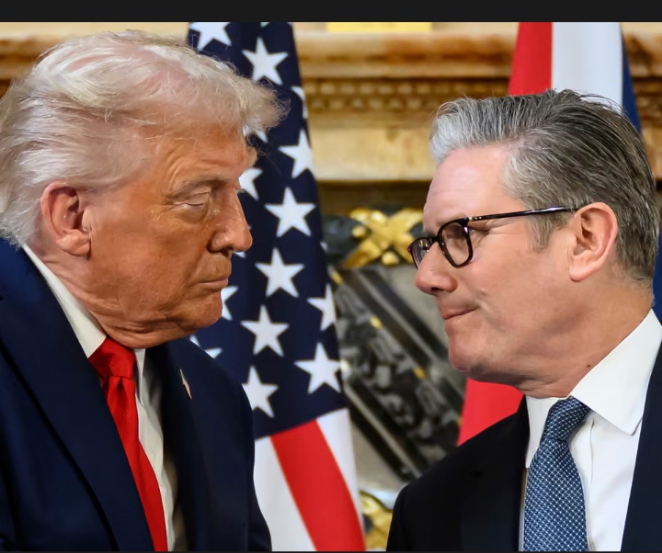
Trump’s language nevertheless revived tensions surrounding the transatlantic “special relationship”, suggesting Washington expected faster solidarity from London during moments of acute military confrontation involving strategic allies.
British leaders rejected claims of hesitation, arguing measured responses prevented unnecessary escalation while preserving operational readiness should conditions deteriorate or direct threats to national interests intensify.
Preparations were accelerated for deployment of the aircraft carrier HMS Prince of Wales, though defence officials clarified the vessel remained on heightened readiness rather than active assignment orders.
A spokesperson reiterated that maritime assets must remain flexible for multiple contingencies, noting carrier movements require logistical coordination, regional permissions, and assessment of evolving intelligence reports before mobilisation.
Within the governing Labour party, lawmakers voiced unease about deeper involvement, reflecting public fatigue over overseas conflicts and concern regarding humanitarian consequences of expanding multinational air campaigns.
Opposition figures argued that cautious positioning risked weakening Britain’s influence with Washington, warning that delayed commitments might reduce diplomatic leverage in shaping eventual ceasefire negotiations.
Across Europe, governments monitored developments closely, wary that widening confrontation could disrupt energy routes, destabilise regional security balances, and intensify migration pressures linked to prolonged hostilities.
American officials defended their approach as necessary deterrence, insisting operations targeted military infrastructure rather than civilians while aiming to prevent missile attacks threatening allies and international shipping corridors.
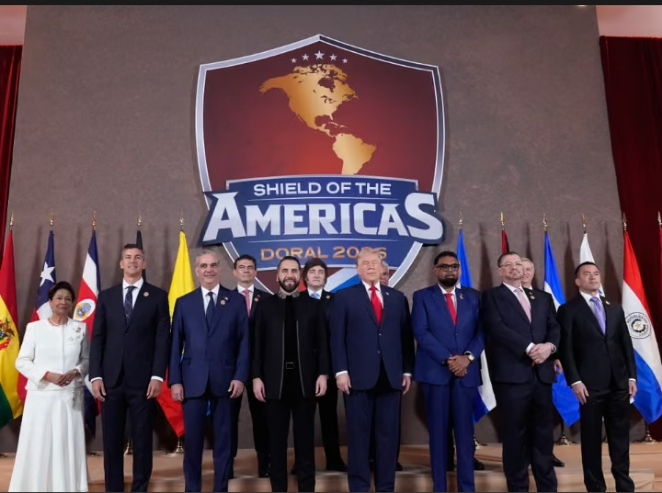
At a security forum in Miami, Secretary of State Marco Rubio suggested dependable alliances required reciprocal commitments, implying some partners hesitated during critical operational windows.
Rubio stopped short of naming Britain directly but emphasised that dependable cooperation shapes intelligence sharing, logistical coordination, and diplomatic backing across interconnected theatres of security engagement.
Military analysts observed that access to overseas bases significantly enhances sortie range, refuelling capacity, and rapid deployment cycles, making British facilities strategically valuable despite political disagreements.
They noted that geographic positioning of Indian Ocean and European installations allows sustained operations without overreliance on aircraft carriers, which require extensive protection and supply chains.
Diplomatic observers said Trump’s blunt communication style often prioritised domestic political messaging, portraying decisive leadership to supporters while applying pressure on partners through public statements.
Starmer’s government maintained that alliance commitments remained firm, highlighting intelligence cooperation, maritime patrols, and defensive coordination that continued regardless of disagreements over offensive participation.
Officials privately expressed frustration that public criticism overlooked practical assistance already granted, arguing operational support differed from symbolic gestures such as immediate carrier deployments.
Security experts suggested both leaders faced domestic political calculations influencing rhetoric, with Washington projecting strength and London balancing alliance solidarity against voter caution toward prolonged foreign conflicts.
Regional leaders urged restraint, warning expanded hostilities risked miscalculation, civilian displacement, and broader confrontation drawing additional powers into a volatile strategic environment.
Despite rhetorical clashes, defence channels between both governments remained active, ensuring communication over airspace management, troop safety, and deconfliction measures essential for avoiding unintended incidents.
Strategists predicted that operational cooperation would likely continue quietly even if political messaging remained confrontational, reflecting institutional ties built through decades of joint missions.
The episode illustrated how modern alliances can experience public friction while maintaining functional military coordination behind closed doors through established diplomatic and defence frameworks.
Analysts concluded that public disputes may ultimately influence negotiations over post-conflict reconstruction roles, regional security arrangements, and intelligence-sharing priorities among Western partners.
For now, Britain appears committed to limited logistical assistance rather than direct combat participation, aiming to support deterrence goals while minimising exposure to prolonged battlefield escalation.
Washington, meanwhile, continues emphasising rapid operational success, framing developments as evidence that American-led strategy can achieve objectives without requiring full coalition mobilisation.
Read also:UK preparing Aircraft Carrier for possible Middle East deployment amid Iran tensions
The evolving dispute underscores challenges of balancing sovereignty, alliance expectations, and domestic political accountability when military decisions carry international consequences and humanitarian implications.
About The Author