Trump Board of Peace Gaza meeting is drawing global attention as Washington prepares to host leaders discussing governance, reconstruction funding, and ceasefire implementation for enclave.
The planned gathering reportedly scheduled for February nineteenth could include diplomats, donors, and security planners aiming to shape postwar administration structures across devastated Gaza territory.
Officials say the event may double as a fundraising conference to accelerate rebuilding projects, with participants expected to pledge financial resources and technical support initiatives.
According to reports, preparations remain tentative, highlighting diplomatic sensitivity surrounding Gaza’s future governance model and ongoing negotiations between Washington, regional allies, and international organizations globally.
One diplomat reportedly noted, “Decisions taken here could influence Middle East stability for years,” reflecting the high stakes surrounding reconstruction, security arrangements, and political legitimacy.
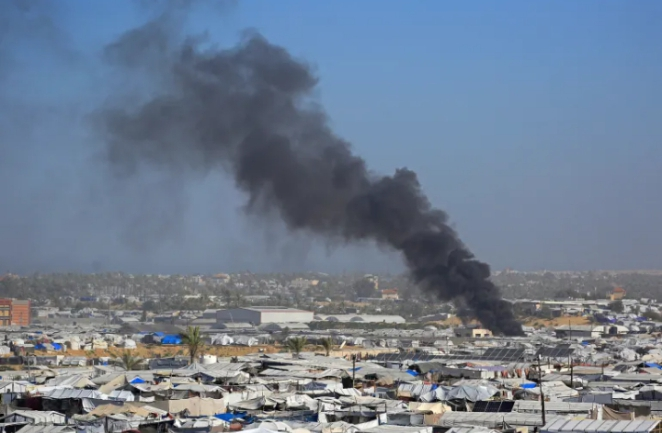
Supporters argue the board could streamline decision making by coordinating donors, governments, and development banks under a single strategy designed to rebuild infrastructure quickly regionally.
Critics, however, warn the initiative risks sidelining Palestinian political representation, with some analysts comparing the proposal to historical international administrations imposed during conflict transitions elsewhere.
Another expert said, “Peace requires legitimacy, not only funding,” emphasizing concerns about whether local leaders and civil society groups will influence governance planning processes overall.
Reports indicate the meeting may occur shortly after planned discussions between United States leadership and Israeli officials, potentially aligning diplomatic messaging on ceasefire enforcement strategies.
If Israeli leaders attend, analysts suggest it could mark rare direct engagement with Arab or Muslim officials within a multilateral forum since recent escalations regionally.
The Board of Peace concept emerged as part of a broader United States backed peace framework designed to stabilize Gaza after prolonged conflict and violence.
Recent reporting confirms Washington is preparing the first official gathering for February nineteenth, focusing heavily on reconstruction funding and post ceasefire governance arrangements and oversight.
Sources say participating countries could coordinate humanitarian delivery systems, infrastructure rebuilding schedules, and long term investment planning designed to stabilize Gaza’s fragile economy over years.
Some officials view the board as complementing existing international institutions, while others fear it may dilute the authority of established multilateral peacekeeping and governance frameworks.
International reactions remain mixed, with several governments reportedly evaluating potential participation while awaiting clearer operational details, membership rules, and funding requirements before final commitments emerge.
The board structure reportedly assigns members specific portfolios covering governance development, reconstruction coordination, regional diplomacy, and large scale capital mobilization for rebuilding projects across Gaza.
Proponents claim such specialization could accelerate project approvals and reduce bureaucratic delays that have historically slowed post conflict recovery programs in multiple regions worldwide significantly.
However, Palestinian representatives and advocacy groups reportedly question whether the model sufficiently prioritizes political self determination alongside economic rebuilding objectives promoted by international stakeholders globally.
Human rights observers emphasize accountability for wartime actions must accompany reconstruction, arguing durable peace depends on justice mechanisms alongside economic and governance reforms and oversight.
Financial discussions are expected to dominate the meeting agenda, including donor pledges, development loans, and private sector investment opportunities in housing, utilities, and transportation systems.
Economic planners argue reconstruction could generate employment, potentially stabilizing communities while reducing recruitment incentives for militant groups in fragile post conflict environments across Gaza territory.
Yet economists warn heavy reliance on external funding risks creating dependency cycles unless local industry development and sustainable economic diversification strategies are implemented early locally.
Security coordination will likely feature prominently, particularly regarding border monitoring, demilitarization processes, and integration of local policing structures into broader stabilization frameworks for Gaza stability.
Defense analysts note stable security conditions remain essential before large scale reconstruction investment can occur, especially in areas previously exposed to intense military operations there.
Technology and infrastructure development proposals reportedly include digital governance systems, smart energy grids, and modern transport networks designed to transform Gaza into an investment hub.
Some policymakers argue economic transformation could reduce long term conflict drivers, though critics caution development alone cannot resolve deep rooted political disputes without negotiations first.
The meeting could also shape future diplomatic mechanisms if the board expands beyond Gaza, an idea some officials have discussed privately in recent strategic talks.
Supporters say the board represents innovative diplomacy, while opponents worry it may challenge existing international organizations traditionally responsible for peacekeeping and conflict mediation efforts globally.
Political analysts emphasize transparency will determine credibility, noting donor confidence often depends on clear oversight, auditing standards, and measurable progress indicators for funded projects worldwide.
Regional governments are expected to weigh humanitarian concerns alongside strategic interests, balancing domestic public opinion with international alliance obligations during participation decisions and negotiations ongoing.
The Gaza humanitarian situation remains severe, increasing pressure on policymakers to produce practical solutions rather than symbolic diplomatic gestures during this critical reconstruction phase period.
Humanitarian agencies continue warning that reconstruction delays risk worsening living conditions, especially regarding healthcare, clean water access, and reliable electricity supply for civilians across Gaza.
Some observers say the meeting’s success will depend on meaningful consultation with Palestinian technocratic bodies responsible for daily administrative operations within Gaza governance systems currently.
Others argue long term peace requires addressing final status political questions, including sovereignty, borders, and future statehood negotiations between Israel and Palestinian leadership in years.
U.S. officials reportedly see the initiative as accelerating ceasefire implementation phases, including weapons decommissioning processes and security transition planning for Gaza stability objectives over time.
International law experts continue debating the legal authority such a body might hold relative to existing United Nations mandates during future operations and missions globally.
Some countries remain cautious, preferring to observe initial outcomes before committing major funding or political backing to the initiative during early implementation phases next year.
Despite controversy, the upcoming meeting is expected to generate extensive diplomatic engagement and media scrutiny worldwide across governments policy institutions and research communities during period.
Supporters emphasize urgency, arguing reconstruction momentum must begin quickly to prevent further humanitarian decline and economic collapse within Gaza society and surrounding regions very soon.
Critics maintain sustainable peace requires inclusive diplomacy addressing grievances, displacement, and long term political representation for Palestinians across Gaza and diaspora communities worldwide over decades.
Observers say the outcome could influence future conflict mediation models if the board demonstrates measurable progress in stabilizing complex post conflict regions globally over time.
The Trump administration has promoted the board as pragmatic diplomacy capable of delivering results where traditional institutions struggle to respond quickly during crises worldwide today.
Opponents argue bypassing established institutions risks weakening global governance norms built over decades through multilateral cooperation between nations managing conflicts and crises together in practice.
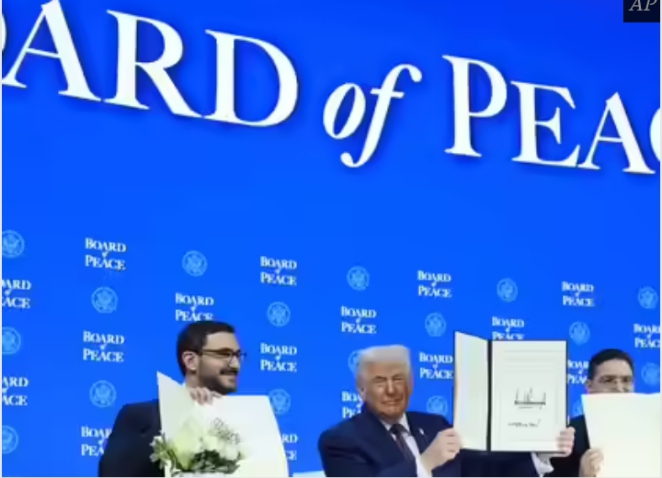
As preparations continue, diplomats stress flexibility, noting attendance lists and agenda priorities may still change before the scheduled meeting date in Washington later this month.
Several governments reportedly remain undecided, awaiting final policy documents outlining governance structures, funding commitments, and enforcement mechanisms for board operations in Gaza reconstruction planning phases.
Analysts suggest the meeting could define the board’s credibility trajectory, influencing whether it evolves into a major diplomatic platform for global conflict resolution efforts ahead.
Ultimately, outcomes from Washington may shape reconstruction speed, diplomatic trust, and the broader geopolitical landscape surrounding Gaza’s postwar recovery across Middle East politics and security.
About The Author