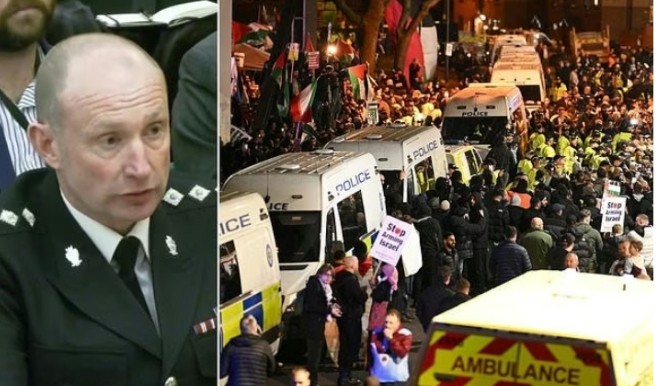
Donald Trump’s Trump Gaza Board of Peace fee proposal has triggered intense global debate after reports revealed countries must pay $1bn directly to the board to extend membership.
The Trump Gaza Board of Peace fee is outlined in draft charter language suggesting ordinary membership lasts three years unless a state provides a billion dollars upfront.
Under the proposal, the payment would be made in cash to the Gaza Board of Peace, an entity chaired by Trump and operating under his direct authority.
Supporters frame the arrangement as pragmatic Gaza reconstruction funding, arguing massive financial commitments are essential to rebuild infrastructure destroyed by prolonged conflict.
Critics counter that charging a fixed $1bn risks transforming peacebuilding into a transactional enterprise rather than a collective diplomatic responsibility rooted in international cooperation.
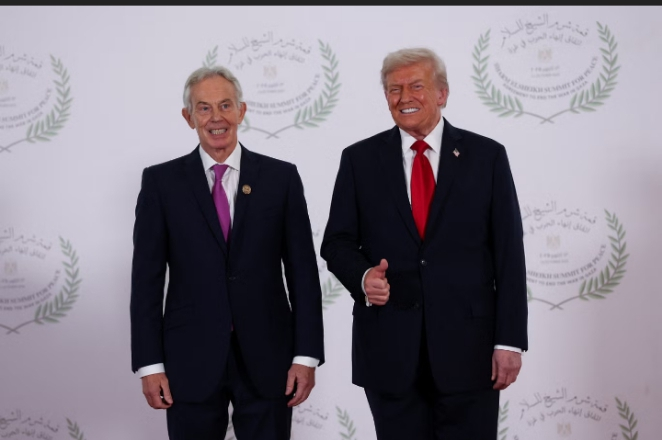
According to the draft structure, Trump would serve as chairman, determine invitations, approve agendas, and retain final approval over every board decision.
Although votes would be taken by majority among present member states, the chairman’s approval would remain decisive, consolidating power at the top of the organisation.
This governance design has reignited wider debates about international peace governance and whether post-conflict institutions should concentrate authority so narrowly.
One clause reportedly states that term limits “shall not apply” to states contributing more than $1bn within the charter’s first operational year.
That language has fuelled accusations that influence inside the board could effectively be purchased, undermining the principle of equal diplomatic participation.
Analysts warn that the Trump Gaza Board of Peace fee could privilege wealthy states while excluding poorer countries with regional stakes but limited financial capacity.
The board defines its mission as promoting stability, lawful governance, and enduring peace in areas affected or threatened by conflict, particularly Gaza.
Yet questions persist about oversight mechanisms, financial transparency, and how reconstruction funds would be managed once collected by the chairman’s office.
Reports suggest Trump would personally oversee the allocation of funds, intensifying concerns about accountability and potential politicisation of Gaza reconstruction funding.
Such concerns are heightened by the absence of independent auditing provisions within the draft charter, according to experts familiar with multilateral institutions.
Diplomats argue that credible peace frameworks require clear separation between political leadership and financial control to maintain trust among participants.
The proposal has already provoked strong Israeli government opposition, casting doubt over the board’s viability in shaping Gaza’s political future.
Israeli officials stated the executive committee was not coordinated with national policy and contradicted established diplomatic channels concerning Gaza’s governance.
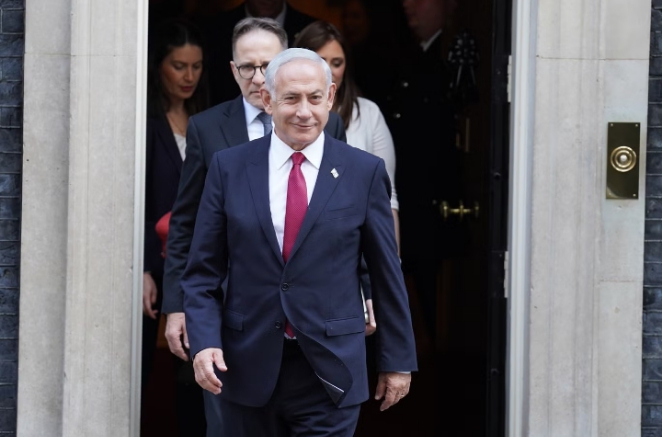
Prime minister Benjamin Netanyahu reportedly instructed officials to raise objections with US counterparts, signalling formal resistance to the board’s composition and mandate.
This pushback illustrates how the Trump Gaza Board of Peace fee intersects with existing regional sensitivities and unresolved sovereignty questions.
Despite Israeli objections, several prominent figures have agreed to participate, lending the initiative significant international visibility and political weight.
Among them is former UK prime minister Tony Blair, whose acceptance has renewed scrutiny of his long-standing involvement in Middle East diplomacy.
Blair described Trump’s wider Gaza plan as an “extraordinary achievement,” emphasising the scale of commitment required to implement lasting solutions.
The Tony Blair Gaza role has proven controversial, given his association with the 2003 Iraq invasion and subsequent regional instability.
Supporters argue Blair’s experience equips him to navigate complex negotiations, while critics view his inclusion as emblematic of elite-driven peace processes.
Other reported members include senior US officials, global finance leaders, and special envoys, reinforcing the board’s high-level, technocratic character.
Noticeably absent so far are Palestinian representatives, a gap critics say weakens legitimacy and contradicts claims of inclusive international peace governance.
Observers argue that excluding Palestinian voices risks repeating past frameworks where local agency was marginalised in favour of external decision-makers.
The draft charter reportedly allows additional members to be appointed later, though no timeline for Palestinian inclusion has been publicly outlined.
Read also:British position on Greenland declared non-negotiable amid Trump tariff threat
Operationally, the board would become official once three member states ratify the charter, triggering annual meetings at locations chosen by the chairman.
Extraordinary meetings could also be convened at the chairman’s discretion, further centralising procedural control within the leadership structure.
Supporters claim this flexibility enables swift responses to evolving conditions on the ground, particularly during fragile ceasefire periods.
Critics respond that unchecked discretion risks eroding consensus-building norms fundamental to international peace governance credibility.
Financially, the $1bn requirement dwarfs traditional peacekeeping contributions, reframing participation as a major fiscal commitment rather than diplomatic engagement.
Some governments reportedly view the Trump Gaza Board of Peace fee as a de facto levy rather than a voluntary donation.
Others fear refusal to pay could marginalise states from decision-making processes shaping Gaza’s long-term political and economic recovery.
The proposal also raises legal questions about how funds would be held, disbursed, and monitored under international financial regulations.
Experts stress that sustainable Gaza reconstruction funding requires transparent mechanisms aligned with humanitarian law and donor accountability standards.
Without such safeguards, confidence in the board’s intentions may erode, limiting participation despite the promise of influence.
As debate continues, the initiative highlights enduring tensions between power, money, and legitimacy in global peacebuilding efforts.
Whether the Trump Gaza Board of Peace fee becomes a catalyst for reconstruction or a symbol of transactional diplomacy remains uncertain.
What is clear is that the proposal has reshaped conversations about authority, representation, and responsibility in resolving one of the world’s most intractable conflicts.
About The Author