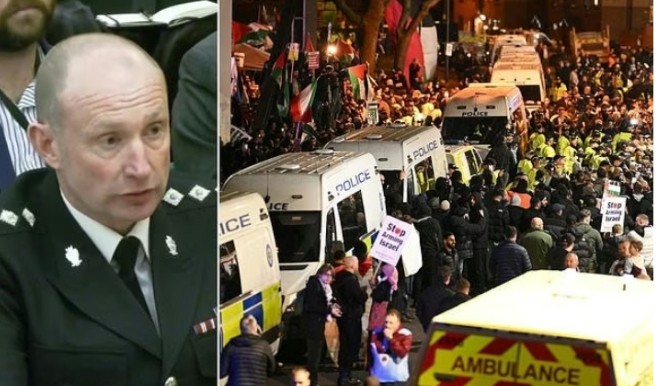
The Maccabi Tel Aviv fan ban fallout has escalated into a defining UK policing controversy, culminating in West Midlands Police chief Craig Guildford stepping down after sustained political pressure.
The ban followed plans for a match involving Aston Villa, but the Maccabi Tel Aviv fan ban fallout quickly spread beyond football into debates about accountability, trust, and proportional policing decisions.
A government-commissioned report later found “inaccuracies” and “bias” influenced the decision, intensifying criticism from ministers, civil liberties groups, and football supporters nationwide.
Officials said intelligence assessments overstated risks, despite previous incidents involving Maccabi Tel Aviv supporters during clashes with rival fans in Amsterdam months earlier.
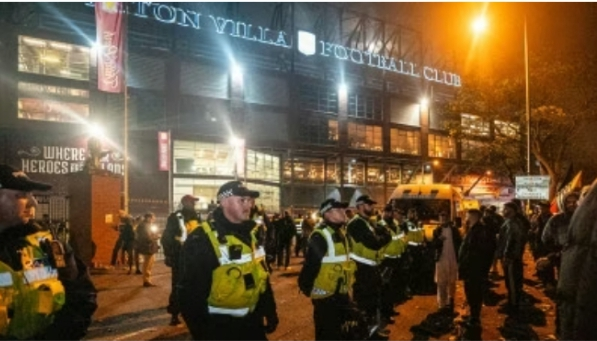
Police leaders initially defended the ban as preventative, arguing public safety concerns justified extraordinary measures amid heightened international tensions and fears of disorder.
However, the report concluded that intelligence handling lacked balance, noting assumptions were treated as facts within briefings shared across policing and government channels.
One senior official was quoted saying, “The threshold for banning an entire group of supporters was not met by the evidence presented.”
Critics argued collective punishment undermined principles of fairness, particularly where no specific threat to Birmingham or the match venue was established.
The football community reacted sharply, warning that precedent-setting bans could erode supporter freedoms and politicise routine matchday security operations.
Aston Villa representatives privately expressed concern that policing decisions overshadowed sport, damaging the club’s reputation for hosting inclusive international fixtures.
The Home Office faced questions in parliament about oversight, with MPs demanding clarity on how intelligence assessments are challenged before operational decisions.
One MP stated, “We cannot allow bias, conscious or otherwise, to drive actions that affect thousands of peaceful supporters.”
Within West Midlands Police, morale reportedly suffered as officers felt leadership failed to defend operational integrity once political criticism intensified.
Craig Guildford’s resignation statement acknowledged “the strain placed on the force,” while stopping short of admitting personal fault.
He said, “I believe stepping aside is in the best interests of the organisation and the communities we serve.”
Supporters of Guildford argue he became a scapegoat for wider systemic failures involving intelligence sharing between national and local agencies.
They contend policing leaders often operate under severe time pressure, balancing incomplete information against potential public disorder risks.
Opponents counter that leadership accountability is essential, particularly when decisions disproportionately affect identifiable groups.
Civil liberties organisations highlighted the case as emblematic of post-crisis policing, where precaution sometimes overrides proportionality.
One campaigner said, “Safety matters, but rights matter too; bans must be evidence-led, not fear-led.”
The Amsterdam incidents were repeatedly cited, involving violent confrontations between rival supporters that drew international media attention.
Yet the report emphasised those events occurred under different policing contexts and should not have been determinative for UK-based decisions.
This distinction proved central to the Maccabi Tel Aviv fan ban fallout, reshaping how risk transfer between jurisdictions is evaluated.
Football authorities quietly welcomed the report, hoping clearer guidance would reduce uncertainty for future European fixtures.
UEFA sources noted that inconsistent national decisions complicate tournament planning and fan travel arrangements across borders.
The case also revived debate about policing football versus policing protest, where collective restrictions are increasingly scrutinised.
Read also: EU ambassadors convene after Trump threatens tariffs to force Greenland purchase
Academics observed parallels with crowd-control policies that were later judged excessive after independent review.
A policing expert remarked, “Once bias enters assessments, it multiplies through the system unless actively challenged.”
Community leaders in Birmingham expressed relief that lessons might be learned, stressing the city’s tradition of welcoming international visitors.
They warned that reputational damage could linger, discouraging tourism and sporting events if not addressed transparently.
Government ministers pledged reforms, promising improved safeguards around intelligence validation and decision-making escalation processes.
One minister said, “This episode shows why checks and balances are vital when exceptional powers are considered.”
Within policing circles, the resignation triggered reflection on leadership resilience amid politicised environments.
Senior officers privately acknowledged the difficulty of navigating security concerns linked to global conflicts without appearing discriminatory.
The Maccabi Tel Aviv fan ban fallout has therefore become a case study in modern policing challenges.
Media coverage amplified divisions, with headlines framing the issue as either necessary security or unjust collective punishment.
Public opinion polls suggested mixed views, split largely along trust in institutions rather than football loyalties.
Supporter groups insisted future engagement with police must involve dialogue rather than unilateral restrictions.
They called for structured liaison models, saying “fans are stakeholders, not threats.”
As reforms take shape, the episode may recalibrate how UK forces assess international supporter risk.
Ultimately, the resignation marks an inflection point, underscoring consequences when confidence in policing impartiality is shaken.
The long-term legacy of the Maccabi Tel Aviv fan ban fallout will rest on whether promised changes restore trust across sport, policing, and government.
About The Author