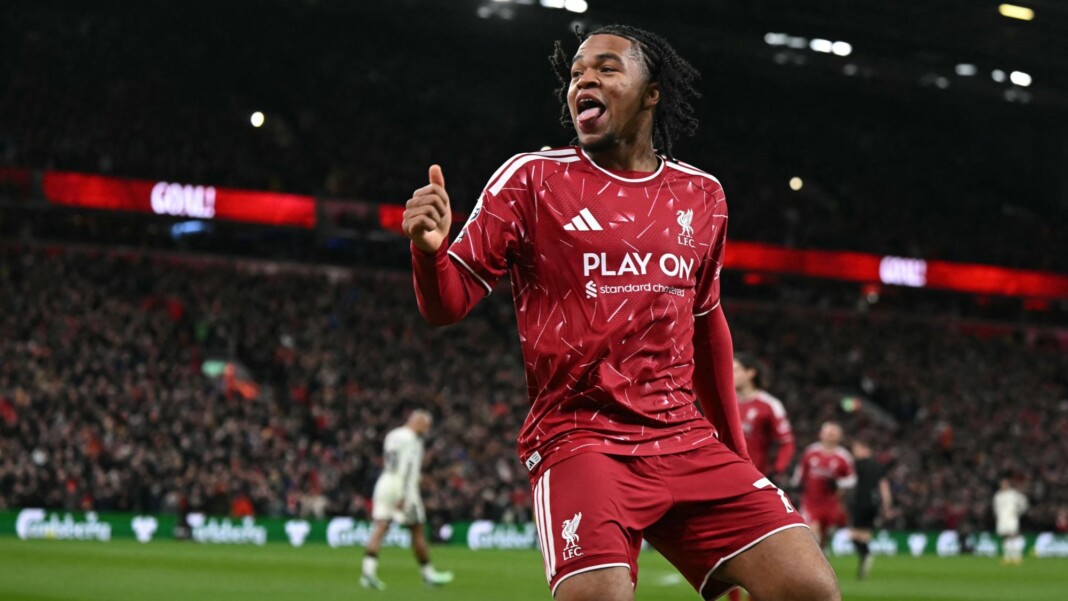

The Rio Ngumoha Liverpool performance has attracted further attention after Andoni Iraola praised the youngster’s attacking qualities following Liverpool’s emphatic 4-0 victory over Manchester United. The coach highlighted the teenager’s versatility, confidence and ability to trouble defenders from either flank.
Ngumoha’s growing reputation has been strengthened by his ability to operate effectively on both sides of the pitch. Rather than relying on one particular position or attacking movement, the young forward has demonstrated that he can use different approaches to create problems for opposing full-backs.
Iraola’s assessment focused particularly on the youngster’s one-on-one ability and the variety he brings to Liverpool’s attacking options. He believes Ngumoha possesses the qualities required to threaten defenders, whether he decides to move inside or attack the outside channel.
The comments offer another indication of the attention surrounding the teenager, whose development is becoming an increasingly interesting subject for football observers. His ability to adapt to different attacking situations has been identified as an important part of his potential.
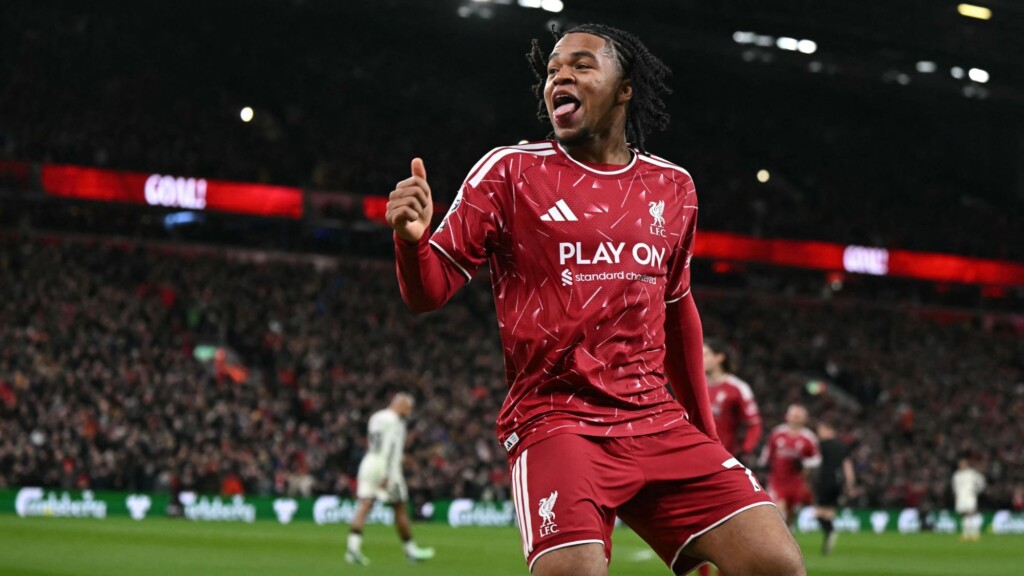
Iraola highlights Ngumoha’s attacking versatility
Iraola was particularly impressed by the way Ngumoha has been developing his game on both the right and left sides of the attack. According to the coach, the youngster has gained valuable experience operating from either flank.
That flexibility gives an attacking player more opportunities to influence matches because defenders cannot always anticipate the direction of his movement. A winger who can comfortably attack from both sides presents a different challenge to opponents.
Ability to cut inside and attack the outside
One aspect of Ngumoha’s development highlighted by Iraola is his ability to change his approach depending on the position of the defender. The youngster can move inside to create shooting opportunities or go outside to deliver crosses.
These two attacking options are particularly important for wide players because they prevent opposing full-backs from concentrating on only one defensive response. If a defender blocks the route towards the penalty area, the winger can attempt to exploit the outside channel instead.
Iraola’s comments suggest that Ngumoha is learning to recognise these situations and make better decisions when approaching opponents. His ability to use either foot and vary his movements could become an important advantage as he gains more experience.
The coach also pointed to the number of minutes the youngster has spent operating on both flanks. That experience is helping him understand the different demands associated with playing on the right and left.
A player operating on the left may look to cut inside and attempt a finish, while a winger on the right could find opportunities to move towards the byline and deliver a cross. Ngumoha’s ability to perform both responsibilities increases his attacking possibilities.
Why Ngumoha can trouble defenders
Iraola’s strongest assessment concerned the youngster’s ability to take on defenders in isolated situations. He believes Ngumoha has the individual qualities to cause serious problems for opposing full-backs when given room to attack.
The coach explained that in a one-on-one situation, the teenager can damage any full-back. The assessment underlines the importance of Ngumoha’s pace, direct approach and willingness to challenge defenders rather than immediately surrendering possession.
For a young attacker, confidence in these situations can be valuable. Defenders are often forced to make difficult decisions when facing a winger capable of moving in either direction, particularly when the attacker has enough space to accelerate.
Ngumoha’s ability to threaten from both flanks also means opponents may struggle to prepare a single defensive strategy against him. A full-back must remain alert to the possibility of an inside movement, an outside run or an attempt to create a shooting opportunity.
The Rio Ngumoha Liverpool performance therefore represents more than an individual display attracting attention. It has also highlighted the qualities that could make the youngster a useful attacking option as his football education continues.
Yoro’s red card and Iraola’s assessment of the decision
Iraola also offered his opinion on the sending-off involving Manchester United defender Yoro during the match against Liverpool. The incident became an important talking point because of its potential influence on the contest.
The coach backed referee Barrott’s decision to show Yoro a red card, arguing that the defender was clearly the last man and had committed a foul. In his assessment, the circumstances justified the referee’s intervention.
However, Iraola acknowledged an element of uncertainty surrounding what might have happened if the foul had not occurred. He pointed out that it was not clear whether Alex or the goalkeeper would have reached the ball.
Why the dismissal mattered
A red card can significantly change the demands placed on a team, particularly when it occurs against an opponent already applying attacking pressure. Losing a defender means the remaining players must reorganise while attempting to protect their goal.
Iraola recognised that Liverpool would have spent considerable time playing against ten men following the dismissal. That situation would have given the home side a numerical advantage and changed the defensive responsibilities facing Manchester United.
His comments separated the decision to send Yoro off from the uncertainty surrounding the potential outcome of the attacking situation. While he considered the defender the last man and the foul clear, he did not claim that the goalkeeper or another player would definitely have failed to reach the ball.
That distinction is important when assessing controversial refereeing decisions. The foul, the defender’s position and the possibility of another player reaching the ball are separate considerations that can influence how an incident is discussed.
Iraola’s backing of Barrott therefore provided another perspective on an incident that formed part of the wider discussion surrounding Liverpool’s 4-0 victory.
Ngumoha must remain grounded as attention increases
Beyond his assessment of the youngster’s technical qualities, Iraola also highlighted the importance of managing the attention that comes with being recognised as a promising young footballer.
Ngumoha’s ability to attract positive comments is encouraging, but continued development will require concentration, patience and the willingness to improve different aspects of his game. Praise alone cannot guarantee progress, particularly in the demanding environment of top-level football.
The coach’s message was that the teenager must remain grounded while continuing to work on his attacking qualities. Maintaining that attitude will be important as expectations increase and opponents become more familiar with his strengths.
Goals and assists remain important measures
Iraola also expressed hope that Ngumoha would continue adding goals and assists to his performances. Those contributions are important measures for attacking players because they demonstrate an ability to turn individual skill into tangible results for the team.
Read also: Trump-class battleships push raises US Navy fleet costs by billions as Iran war stretches capacity
A winger may beat defenders regularly, create space and contribute to attacking movements, but goals and assists provide a direct indication of the effectiveness of those actions. Improving in those areas would make Ngumoha an even more influential attacking option.
The youngster’s development on both flanks could also create additional opportunities to contribute. Cutting inside may give him better shooting positions, while attacking the outside channel can allow him to provide crosses and create chances for teammates.
The Rio Ngumoha Liverpool performance has consequently drawn attention to several areas of his game, including versatility, individual attacking ability and the potential to produce decisive contributions.
A promising young attacker attracting attention
Iraola’s comments provide a positive assessment of Ngumoha’s qualities while also recognising that the teenager still has important stages of development ahead of him. His ability to play on either flank gives him options, but consistency and decision-making will remain essential.
The coach’s observations also underline why young attackers benefit from learning different ways to influence matches. Being comfortable on both sides can make a player less predictable and give coaches greater flexibility when selecting attacking options.
As reported by LiveScore, Iraola discussed Ngumoha’s qualities, his development on both flanks and the youngster’s capacity to trouble defenders in one-on-one situations. The report also covered the coach’s backing of Barrott’s decision to dismiss Yoro.
For Ngumoha, the immediate challenge will be to turn the encouraging assessment into sustained progress. Remaining focused, improving his end product and continuing to develop his understanding of attacking situations will be important as he gains experience.
The Rio Ngumoha Liverpool performance has added to the growing conversation about his potential. Iraola’s praise is a recognition of the qualities already visible in his game, while his advice about staying grounded offers a reminder that development must continue beyond individual moments of attention.
About The Author