The Trump Greenland tariff threat has ignited a fierce European response, exposing deep fractures in transatlantic relations and raising fears of an escalating trade conflict.
The Trump Greenland tariff threat centres on Washington’s demand that European opposition to US control of Greenland be withdrawn or face punitive economic measures.
European leaders reacted with rare unity, warning that coercive tariffs risk destabilising global trade norms and undermining decades of diplomatic cooperation across the Atlantic alliance.
In a joint statement, eight European nations declared their “full solidarity” with Denmark and the people of Greenland against economic pressure tactics.
Denmark, Finland, France, Germany, the Netherlands, Norway, Sweden and Britain stressed that sovereignty cannot be traded under threats of economic punishment.
“As members of NATO, we are committed to strengthening Arctic security as a shared transatlantic interest,” the joint declaration stated firmly.
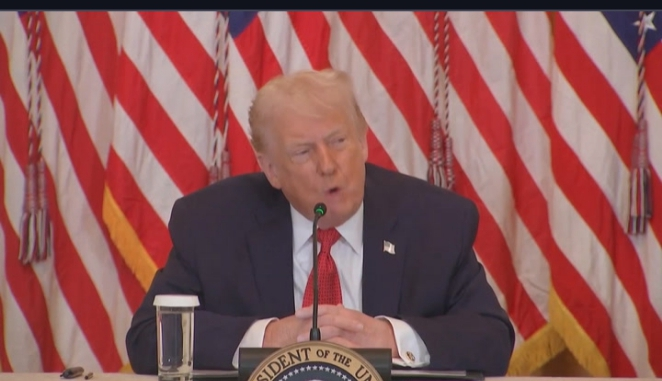
Donald Trump announced that ten per cent tariffs would be imposed on several European countries beginning February, escalating to twenty-five per cent by June.
The tariffs would remain until European governments agree to negotiations enabling the United States to purchase Greenland, according to Trump’s social media post.
European diplomats immediately condemned the move as unprecedented economic coercion between longstanding allies with shared security commitments.
EU officials confirmed an emergency meeting involving all member states to coordinate a unified political and economic response.
One senior EU diplomat warned the tariff threat “risks a dangerous downward spiral that damages everyone involved, including American consumers and businesses.”
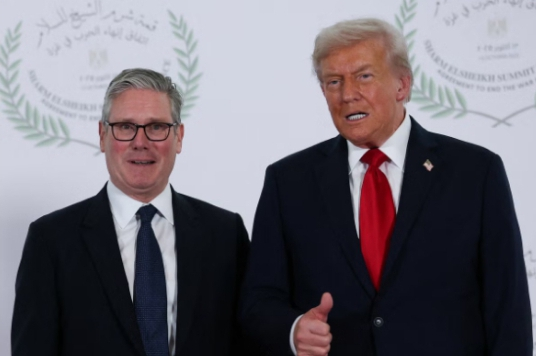
British prime minister Sir Keir Starmer labelled the proposed tariffs “completely wrong” and warned against using economic leverage as a geopolitical weapon.
Starmer emphasised that Greenland’s future must be decided by its people, not through external pressure or transactional diplomacy.
French president Emmanuel Macron described the threat as “unacceptable” and vowed that intimidation would not influence European positions on Greenland.
“No threat will influence us, neither in Ukraine, nor in Greenland,” Macron said, drawing parallels with wider geopolitical confrontations.
Germany’s finance minister Lars Klingbeil adopted an equally defiant tone, stating bluntly, “We will not be blackmailed.”
Klingbeil added that Europe remains open to dialogue but will respond collectively if economic aggression continues.
Norwegian prime minister Jonas Gahr Støre urged restraint, warning that trade wars rarely have winners and often spiral beyond control.
“I don’t think anyone benefits from a trade war that spirals out of control,” Støre said following a press conference.
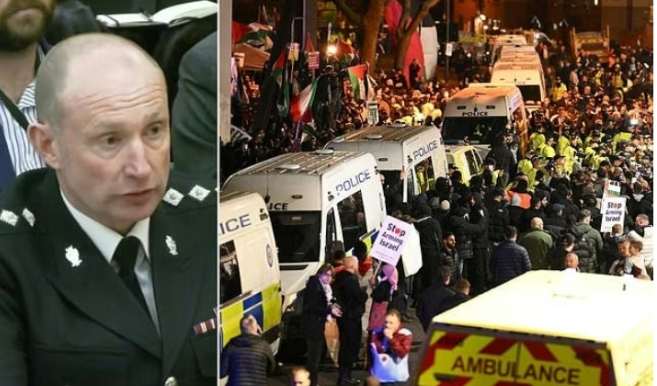
The Trump Greenland tariff threat has also triggered public protests across Denmark, particularly in Copenhagen and Greenland’s capital, Nuuk.
Thousands gathered to oppose what demonstrators described as “a circus of threats” undermining international law and self-determination.
Former NATO secretary-general Anders Fogh Rasmussen accused Trump of deploying “gangster-style threats” reminiscent of authoritarian power politics.
Rasmussen warned that such tactics distract from genuine global security threats, including Russia’s ongoing war in Ukraine.
“The US conquering Greenland would be the end of the world order as we know it,” Rasmussen said starkly.
Greenlandic leaders reiterated that the island is not for sale and that its political future lies with its people alone.
Local protesters described the moment as surreal, with one marcher saying, “I never imagined we would face threats like this from allies.”
Within the UK, the tariff threat has intensified domestic political debate over relations with Washington.
Liberal Democrat leader Sir Ed Davey called for the cancellation of the King’s planned state visit to the United States.
“The UK must not be a doormat for an extortionist,” Davey said, urging a firm diplomatic stance.
Northern Ireland First Minister Michelle O’Neill described the situation as “deeply concerning” for interconnected economies.
“When world leaders make dangerous decisions, it is ordinary people who pay the price,” O’Neill warned.
Economic analysts note that tariffs on European goods would likely raise prices, disrupt supply chains, and harm American importers.
The Trump Greenland tariff threat also raises legal questions under existing EU-US trade agreements concluded in 2025.
Reports suggest France may request activation of the EU’s anti-coercion instrument in response to Washington’s actions.
Such a move would allow the EU to impose retaliatory measures designed to deter economic intimidation.
Diplomats stress that Europe’s response will be measured but resolute, prioritising unity over bilateral concessions.
The dispute highlights how Greenland’s strategic Arctic location has grown in importance amid climate change and security competition.
Melting ice has opened new shipping routes and access to critical minerals, intensifying global interest in the region.
European leaders argue that Arctic security must be addressed multilaterally, not through unilateral demands.
The Trump Greenland tariff threat has therefore become a test case for how democracies respond to pressure from powerful allies.
While dialogue remains possible, European officials insist negotiations cannot begin under threat.
As one diplomat summarised, “Partnership cannot exist where coercion replaces respect.”
Whether the crisis cools or escalates may shape transatlantic relations for years to come.