

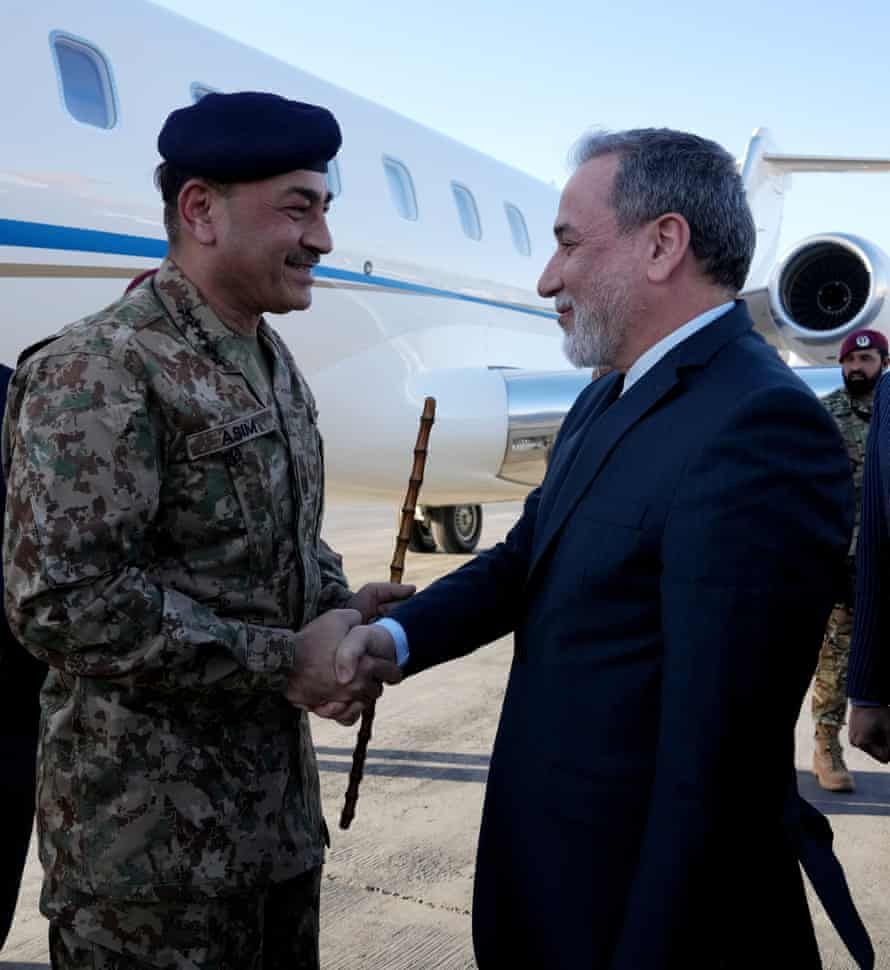
Strait of Hormuz open signals fragile shift in Middle East conflict
The Strait of Hormuz open announcement by Iran has introduced cautious optimism even as officials warn the situation could quickly reverse under continued pressure from the United States.
Iran’s foreign minister declared the strategic waterway fully accessible to commercial vessels raising hopes of easing tensions and stabilizing global energy flows after weeks of disruption.
However the message from Tehran was not uniform with powerful factions signalling that the reopening remains conditional and subject to developments on the ground.
Senior Iranian figures stressed that continued enforcement of US restrictions could lead to a renewed shutdown underscoring the fragile nature of the current situation.
This mixed messaging reflects ongoing Iran US blockade tensions where diplomatic signals are often counterbalanced by military and political realities.
Shipping companies responded cautiously with many operators reluctant to immediately resume full operations through the Strait of Hormuz.
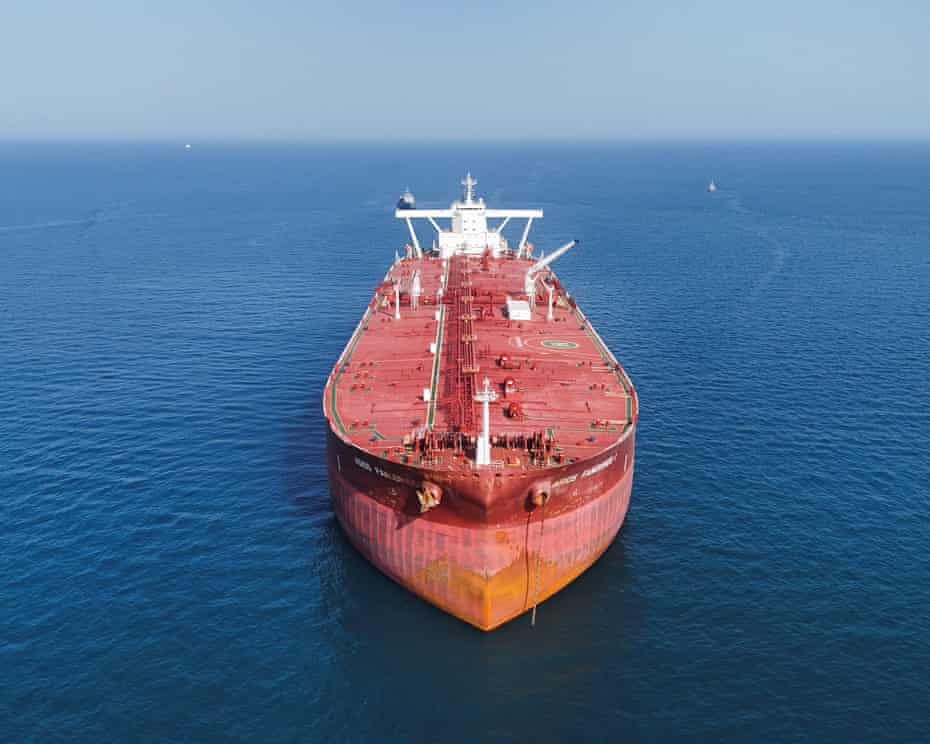
Insurance costs and security concerns remain elevated limiting the immediate impact of the reopening on Middle East shipping routes.
Conflicting signals from Tehran and Washington
In Washington Donald Trump presented a more definitive narrative claiming that Iran had agreed not to close the strait again under any circumstances.
He described the development as a major breakthrough and suggested that broader negotiations to end the conflict could follow quickly.
Yet Iranian officials did not fully endorse these claims maintaining that decisions on maritime access would depend on evolving conditions rather than external declarations.
This divergence highlights the absence of a coordinated communication strategy between the two sides adding to uncertainty in global markets.
Statements surrounding Iran nuclear talks further complicate the picture with differing accounts of what has been agreed and what remains under negotiation.
While Washington suggested progress Tehran has remained cautious reiterating long standing positions on sovereignty and enrichment rights.
Market reaction and global oil supply implications
The Strait of Hormuz open development triggered an immediate reaction in oil markets with prices falling as traders anticipated improved supply conditions.
Nevertheless analysts warn that the underlying global oil supply risk has not been eliminated given the lack of a binding agreement securing long term access.
The waterway’s strategic importance means even temporary disruptions can have far reaching economic consequences affecting inflation and growth worldwide.
Despite the reopening only a limited number of vessels have resumed transit reflecting ongoing concerns about enforcement and safety guarantees.
Industry bodies continue to assess whether the current conditions meet the standards required for unrestricted commercial navigation.
Until confidence is restored the recovery of shipping activity along key Middle East shipping routes is expected to remain gradual.
Regional diplomacy and fragile ceasefire dynamics
The reopening coincides with broader diplomatic efforts aimed at preventing further escalation across the region.
A temporary ceasefire involving Israel and the Iran backed Hezbollah has provided limited relief particularly in parts of Lebanon affected by recent fighting.
However conflicting statements from regional leaders suggest that hostilities could resume if underlying disputes are not resolved.
Read also: US blocks Iranian ports “as long as it takes” as Hegseth warns of combat if Iran talks fail
Israeli officials have indicated that military operations may continue if security threats persist even within the framework of the truce.
At the same time international stakeholders are working to establish mechanisms that could secure the waterway and prevent future disruptions.
European leaders including Emmanuel Macron and Keir Starmer have called for a lasting and verifiable reopening.
Their position reflects broader concerns that temporary measures are insufficient to stabilize such a critical global chokepoint
Why the situation remains unstable despite reopening
Although the Strait of Hormuz open status has improved short term sentiment it does not resolve the deeper geopolitical tensions driving the crisis..
The continued presence of US restrictions and military oversight means that the balance of power in the region remains contested.
Iran’s warning that the strait could close again highlights how quickly conditions could deteriorate if negotiations fail or tensions escalate.
Meanwhile shipping firms insurers and governments are preparing for multiple scenarios including renewed disruption.
This cautious approach underscores the limited confidence in the durability of the current arrangement
For now the reopening serves as a temporary stabilizing factor rather than a definitive turning point in the conflict.
Outlook for global markets and geopolitical stability
In the coming days attention will focus on whether diplomatic efforts can translate into concrete agreements that reduce uncertainty.
Progress in Iran nuclear talks could play a significant role in shaping the long term outlook particularly if it leads to reduced sanctions and clearer commitments.
However without a comprehensive deal the risk of renewed confrontation remains high with potential implications for global energy markets.
The Strait of Hormuz open narrative may dominate headlines but underlying tensions continue to define the strategic landscape.
As a result both policymakers and investors are likely to remain cautious balancing optimism with preparedness for further volatility.
The situation illustrates how quickly geopolitical developments can influence critical infrastructure and global economic stability.
What do you think does this reopening signal a real path to stability or just a temporary pause in tensions Drop your thoughts in the comment box.
About The Author

https://shorturl.fm/8Gs4X