

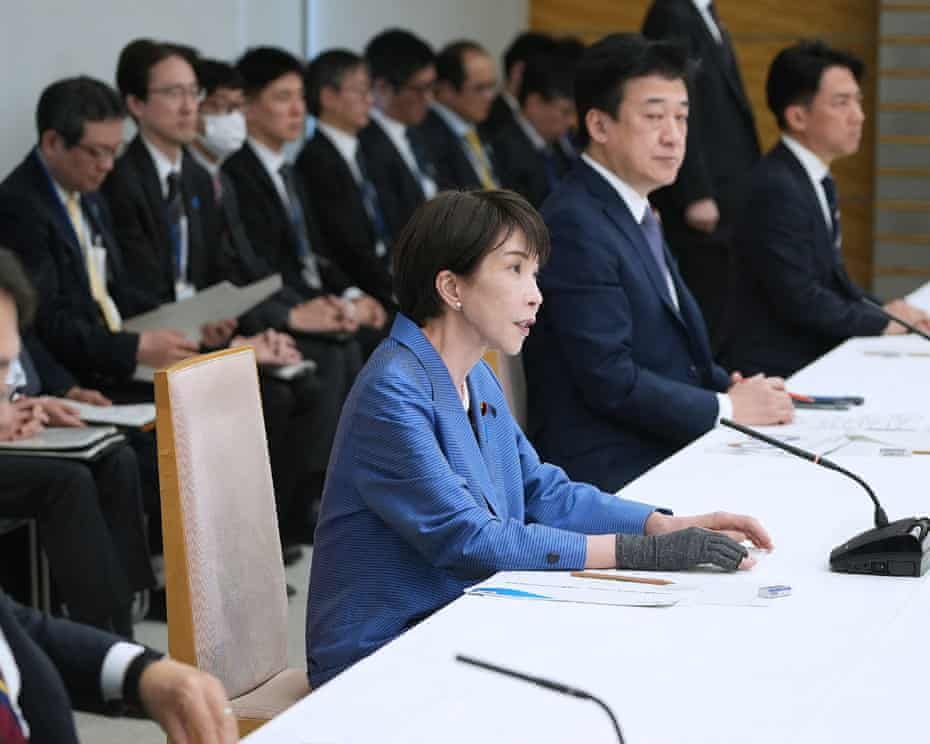
Japan oil release dominates global headlines as the government confirms its largest-ever deployment of strategic reserves, aiming to stabilise markets and protect domestic supply chains from escalating geopolitical disruptions.
Japan oil release begins this week as announces emergency measures to shield the economy from supply shocks caused by tensions in the Middle East.
The decision follows growing fears that disruptions around the could significantly impact tanker movements, threatening energy flows critical to Japan’s industrial and economic stability.
Officials confirmed that approximately 80 million barrels will be released, representing about 45 days of domestic consumption, making this intervention the largest in Japan’s energy security history.
The oil release reflects deep concern within Tokyo that prolonged instability could severely strain imports, given the nation’s reliance on foreign crude supplies for more than 90% of its energy needs.
Government sources explained that both private-sector and state-controlled reserves will be utilised, ensuring a coordinated response designed to cushion industries and consumers from rising fuel costs and shortages.
In a public statement, Takaichi said, “Peace and stability in the Middle East are extremely important for Japan and the international community,” underscoring the urgency behind the unprecedented decision.
She further emphasised Japan’s commitment to diplomatic solutions, noting ongoing cooperation with global partners to reduce tensions and restore secure maritime routes essential for energy transportation.
The oil release also follows pressure from international allies, including , who urged stronger regional involvement, including potential maritime deployments.
However, Takaichi resisted such calls, citing constitutional constraints that limit Japan’s ability to engage militarily abroad, particularly in conflict zones like the Strait of Hormuz.
Instead, Tokyo has chosen an economic and diplomatic approach, prioritising internal resilience while advocating for de-escalation through international dialogue and cooperation mechanisms.
The scale of the oil release surpasses previous emergency measures, including those implemented after the 2011 Fukushima disaster, when energy infrastructure disruptions forced temporary nationwide adjustments.
Analysts note that this response highlights lessons learned from past crises, where delayed interventions led to prolonged economic uncertainty and heightened vulnerability to external shocks.
Japan’s strategic reserves currently total about 470 million barrels, equivalent to roughly 254 days of consumption, providing a significant buffer against prolonged supply interruptions.
Despite this cushion, officials remain cautious, warning that continued disruptions could eventually test even these substantial reserves if tanker traffic remains constrained for extended periods.
The oil release aims not only to stabilise domestic supply but also to send a signal to global markets that major economies are prepared to act decisively during energy crises.
This intervention comes as global oil prices surge, driven by uncertainty surrounding shipping routes and fears of escalating conflict affecting major oil-producing regions.
Consumers in Japan have already begun feeling the impact, with fuel prices reaching record highs, prompting government subsidies to cap gasoline costs and ease financial pressure on households.
Authorities introduced measures to keep fuel prices around ¥170 per litre, attempting to prevent further inflation that could ripple through transportation, manufacturing, and daily living expenses.
The release is expected to help moderate price volatility, though experts caution that global market dynamics may still drive fluctuations beyond Tokyo’s direct control.
Beyond fuel, concerns have emerged over the availability of everyday goods, including toilet paper, as panic buying threatens to disrupt supply chains unnecessarily.
The government has urged citizens to remain calm, emphasising that most household products are domestically produced and not directly dependent on Middle Eastern oil imports.
Industry groups confirmed that nearly all toilet paper in Japan is manufactured locally, using recycled materials and pulp, ensuring stable production even during energy disruptions.
Despite these assurances, social media speculation has fueled anxiety, with some users warning of potential shortages and encouraging stockpiling of essential items.
Officials have responded by promoting accurate information, warning that panic buying could create artificial shortages and worsen the situation unnecessarily.
The oil release is therefore part of a broader strategy combining economic intervention, public communication, and international diplomacy to manage crisis impacts effectively.
Experts highlight that Japan’s vulnerability stems from its geographic and resource limitations, making energy security a central pillar of national policy.
The current crisis underscores the importance of diversifying energy sources, including investments in renewable technologies and alternative supply chains.
Takaichi reiterated this point, stating that reducing dependence on imported fossil fuels remains a long-term priority for ensuring national resilience.
The oil release also reflects coordination with international partners, as countries worldwide assess their own strategic reserves and prepare contingency plans.
Global institutions have warned that prolonged disruptions could mirror historical energy shocks, potentially triggering economic slowdowns and inflationary pressures.
Japan’s proactive approach may serve as a model for other nations facing similar vulnerabilities, demonstrating the importance of preparedness and swift decision-making.
The situation also highlights the interconnected nature of global energy systems, where regional conflicts can have far-reaching economic consequences.
As the release unfolds, attention will remain focused on developments in the Middle East and their impact on shipping routes and oil production.
Markets will closely monitor whether diplomatic efforts succeed in restoring stability or whether further escalation will necessitate additional interventions.
Read also: Trump postpones strikes on Iranian power plants for five day period
For now, Tokyo’s actions aim to buy time, ensuring that industries continue operating and households remain protected from the worst effects of the crisis.
The coming weeks will be critical in determining whether the oil release achieves its intended stabilising effect or if further measures will be required.
Ultimately, the decision underscores Japan’s determination to navigate uncertainty through decisive leadership and strategic resource management.
As global tensions persist, the effectiveness of such interventions will shape not only Japan’s economic outlook but also broader international energy security dynamics.
About The Author
