

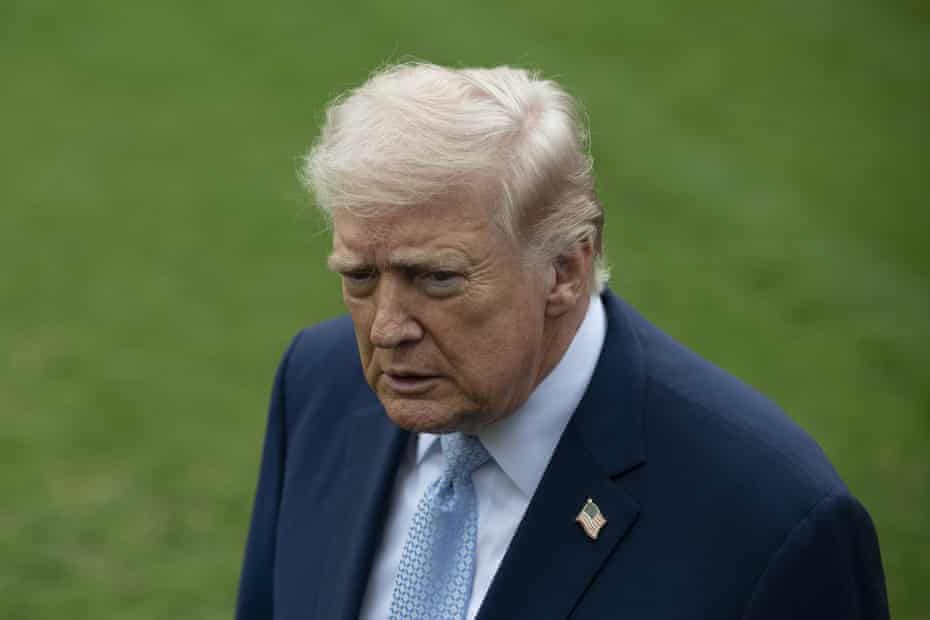
Trump postpones strikes on Iranian power plants for five day period as the United States signals a pause in military escalation while diplomatic engagements continue with Tehran over rising tensions.
The announcement came as President Donald Trump confirmed he had instructed the defense department to delay planned airstrikes, stating the pause depends on the “success” of ongoing meetings and discussions.
Trump said, “We have had very good and productive conversations,” adding that discussions with Iran could lead to a “complete and total resolution” of hostilities in the Middle East region.
Officials indicated that the delay reflects a strategic calculation, balancing military readiness with diplomatic opportunity as Washington evaluates Tehran’s response to recent warnings and ultimatums regarding regional security concerns.
The pause follows Trump’s earlier demand that Iran reopen the Strait of Hormuz within forty eight hours, a move aimed at restoring global energy flow through the critical maritime route.
Energy analysts stress that the waterway carries a substantial portion of global oil and liquefied natural gas supplies, making any disruption a serious threat to international markets and economic stability.
Iran responded with strong warnings, declaring it would “irreversibly destroy” key infrastructure across the Middle East if the United States proceeds with strikes targeting its power and energy facilities.
Tehran also threatened to attack electricity sources linked to American bases, stating such actions would extend to “economic, industrial and energy infrastructures” involving United States interests across the region.
Trump postpones strikes strategy is seen by observers as an attempt to pressure Iran into concessions while maintaining the possibility of military action if negotiations fail within the limited timeframe.
Diplomatic sources revealed that indirect communication channels remain active, with mediators working to reduce tensions and explore possible agreements on maritime security and broader geopolitical disputes.
Trump emphasized urgency, stating, “Time is critical,” while expressing cautious optimism that both sides could avoid further escalation through continued dialogue and compromise.
The Pentagon confirmed the halt in operational activity related to the planned strikes, noting that forces remain on standby should conditions change or talks collapse unexpectedly during the five day window.
Allies in the region have reacted cautiously, with some welcoming the pause as a chance for diplomacy, while others remain doubtful about Iran’s willingness to alter its current strategic posture.
Market reactions have been mixed, as investors weigh the possibility of conflict against hopes for stability, particularly in energy sectors sensitive to disruptions in supply routes.
Iranian officials reiterated their stance, saying, “We will defend our sovereignty,” while accusing Washington of increasing tensions through what they described as aggressive and coercive policies.
The situation remains fluid as both nations navigate a narrow path between confrontation and negotiation, with global attention focused on whether diplomacy can succeed within the limited timeframe.
Experts suggest that the outcome of these talks could reshape regional dynamics, influencing not only United States and Iran relations but also broader Middle Eastern stability and alliances.
Trump postpones strikes decision highlights the delicate balance between force and diplomacy, as leaders attempt to manage risks while seeking solutions to long standing geopolitical disputes.
The coming days are expected to be decisive, with ongoing discussions likely to determine whether tensions ease or escalate into a broader conflict affecting multiple nations.
Observers note that previous attempts at dialogue have often faltered, raising questions about whether current efforts will produce a sustainable agreement or merely delay inevitable confrontation.
Despite the uncertainty, both sides appear to recognize the high stakes involved, particularly given the potential humanitarian and economic consequences of a prolonged military conflict.
Trump’s approach has drawn both criticism and support domestically, with some praising the willingness to pursue diplomacy while others argue that delays could weaken deterrence.
Iran, meanwhile, continues to signal readiness for both negotiation and retaliation, maintaining a firm stance while leaving open the possibility of engagement under specific conditions.
The international community has urged restraint, emphasizing the importance of dialogue and warning against actions that could further destabilize an already volatile region.
Trump postpones strikes remains a central development in the unfolding crisis, reflecting a moment where diplomacy is being tested against the pressures of military escalation.
Read also: Searching rubble for missing sibling continues after Tehran strike
As the deadline approaches, attention will remain fixed on whether both nations can find common ground or whether the pause simply postpones a deeper and more dangerous conflict.
About The Author
