

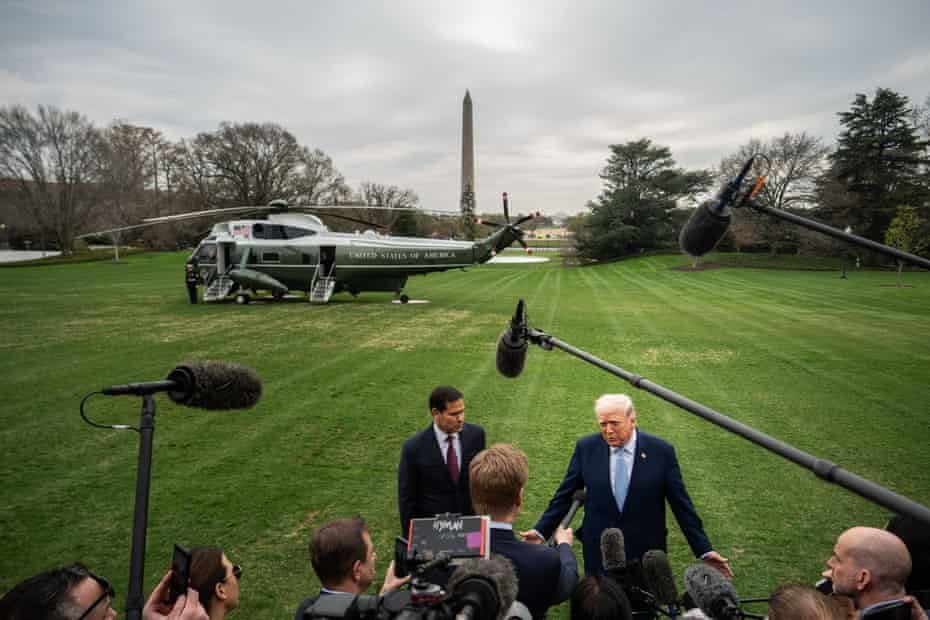
The Trump 48 hours ultimatum to Iran has intensified global tensions, as Donald Trump warned Tehran to reopen the Strait of Hormuz or face devastating consequences targeting energy infrastructure.
Trump declared the US would “hit and obliterate” Iranian power plants if compliance was not achieved within forty-eight hours, describing the warning as “final” amid rising hostilities across the Middle East.
The ultimatum followed weeks of escalating conflict involving Iran and Israel, with military operations intensifying and global fears mounting over potential regional destabilization and economic fallout.
According to statements posted online, Trump insisted Iran must “fully reopen the strait” to international shipping or risk immediate and overwhelming retaliation from United States military forces deployed nearby.
The Strait of Hormuz, a critical global oil passage, carries nearly a fifth of the world’s crude supply, making its closure a severe threat to global energy stability and economic systems.
Iran defended its actions, stating restrictions were placed only on vessels linked to countries participating in attacks against its territory, describing the move as a “measured response” to ongoing aggression.
Iranian officials emphasized that neutral nations would continue receiving assistance, reinforcing claims that the blockade was selective rather than a total shutdown of maritime movement through the strategic corridor.
Meanwhile, US military reinforcements continued arriving in the region, with thousands of Marines reportedly deployed as part of preparations for potential escalation if diplomatic efforts collapse entirely.
Trump’s message marked a sharp shift from earlier remarks suggesting he might consider “winding down” operations, signaling a renewed hardline stance amid mounting pressure from allies and domestic audiences.
Global leaders reacted swiftly, expressing concern over the ultimatum’s implications and urging restraint to prevent further deterioration of an already volatile geopolitical situation unfolding rapidly.
A joint international statement condemned what it described as the “de facto closure” of the Strait of Hormuz, calling for immediate restoration of safe navigation for commercial vessels.
European and Asian nations highlighted their dependence on oil shipments passing through the strait, warning that prolonged disruption could trigger widespread economic instability and energy shortages worldwide.
Crude oil prices surged past $100 per barrel following the standoff, reflecting investor fears that the conflict could spiral into a broader crisis affecting global supply chains and financial markets.
Trump criticized NATO allies, labeling them “cowards” for failing to actively secure the strait, urging them to contribute more decisively to maintaining open maritime routes.
The rhetoric further strained relations within the alliance, as some member states expressed reluctance to deepen involvement in a conflict with unpredictable consequences.
Iran responded with its own warnings, stating it would target energy and infrastructure assets belonging to the US and allied forces in the region if attacked.
Military analysts cautioned that such retaliatory threats increase the risk of direct confrontation, potentially drawing multiple nations into a wider and more destructive conflict scenario.
Reports indicated increased military activity across the Gulf region, including heightened surveillance, naval positioning, and air defense readiness among involved parties.
Regional governments also issued advisories, preparing emergency responses for potential disruptions to energy supplies and civilian infrastructure in case of escalation.
The crisis has drawn attention to longstanding tensions surrounding Iran’s nuclear program and its strategic importance within Middle Eastern geopolitics.
Experts warned that targeting energy infrastructure could have severe humanitarian and environmental consequences, extending far beyond immediate military objectives.
Diplomatic channels remain active, though strained, with mediators attempting to de-escalate tensions and prevent the ultimatum from triggering direct military confrontation.
Some officials described the situation as “the most dangerous moment” in recent Middle Eastern history, highlighting the fragile balance between deterrence and escalation.
Markets continue reacting nervously, with investors closely monitoring developments as uncertainty drives volatility across energy and financial sectors globally.
Public reactions have been mixed, with some supporting strong action to secure global trade routes, while others fear catastrophic consequences of military escalation.
Humanitarian organizations expressed concern over the potential impact on civilians, urging all parties to prioritize restraint and avoid actions that could worsen regional suffering.
The United Nations reiterated calls for dialogue, warning that continued escalation risks undermining international peace and security frameworks.
Observers noted that the ultimatum places significant pressure on Iran’s leadership, forcing difficult decisions amid mounting economic and military challenges.
Strategists argue that control of the Strait of Hormuz remains a powerful leverage point in geopolitical negotiations, amplifying its significance in this crisis.
The situation underscores the interconnected nature of global energy markets, where regional conflicts can rapidly influence worldwide economic conditions.
As the deadline approaches, uncertainty continues to grow, with both sides maintaining firm positions and preparing for potential outcomes.
Military readiness remains high, with forces on alert as the countdown to the ultimatum’s expiration continues amid intense global scrutiny.
Diplomatic efforts intensify behind the scenes, though public rhetoric suggests limited room for compromise between opposing sides.
Read also: Iran missile attack attempt on Diego Garcia base intercepted as tensions escalate
Analysts warn that miscalculation or miscommunication could trigger unintended escalation, emphasizing the need for careful navigation of the crisis.
The world watches closely as the deadline nears, with hopes that diplomacy can prevail over confrontation in this high-stakes geopolitical standoff.
Will the Trump 48 hours ultimatum to Iran force a reopening of the Strait of Hormuz, or push the region closer to a broader and more dangerous conflict?
About The Author
