

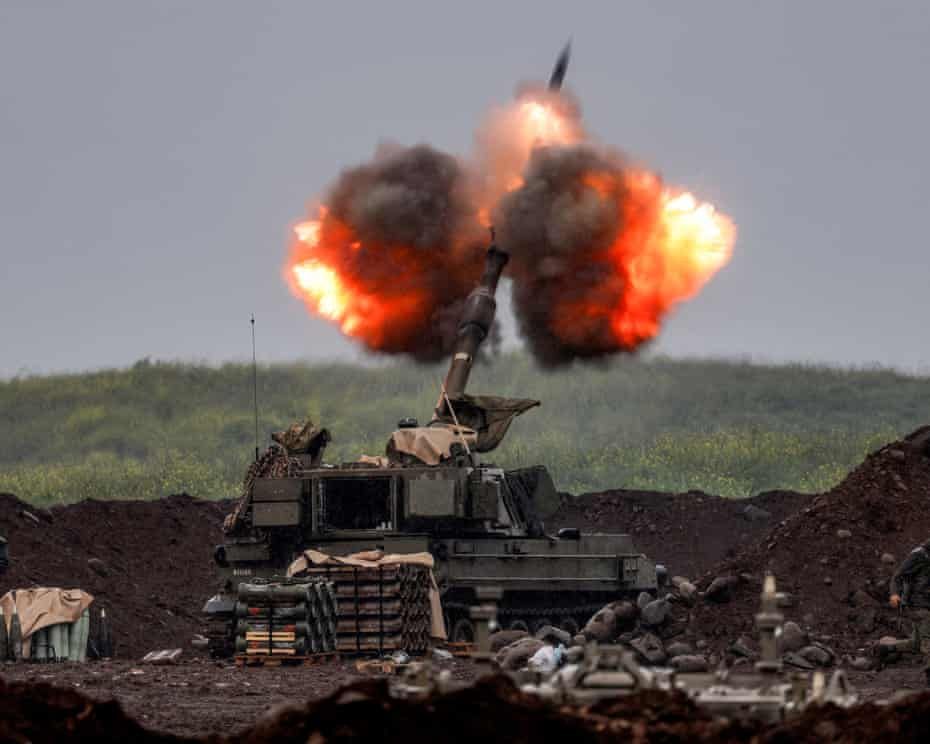
Iran War Escalation Strategy is rapidly emerging as the defining force shaping the current conflict, as Iran signals a readiness to push the war beyond conventional limits in a calculated bid for survival and strategic leverage.
From the outset, the war has demonstrated how escalation itself can be used as a weapon. Unlike traditional military doctrines that emphasize restraint and proportional response, Tehran appears to be embracing a high-risk approach.
By continuously raising the stakes, it forces adversaries such as the United States and Israel to operate under constant uncertainty, stretching their military planning and political tolerance.
The financial cost of the conflict underscores the magnitude of this strategy. Within days, the war has already cost billions, with the Pentagon reportedly seeking massive funding increases to sustain operations.
This surge reflects not just battlefield expenses, but the broader logistical, intelligence, and deterrence costs associated with a rapidly expanding war theatre.
Energy markets have reacted sharply. Oil prices have surged, reflecting fears that key infrastructure across the Gulf could become targets.
Facilities in countries like Qatar and Bahrain remain vulnerable to low-cost drone attacks, a tactic Iran has refined over years. These asymmetrical tools allow Tehran to threaten high-value targets without committing large-scale conventional forces.
What makes the Iran War Escalation Strategy particularly effective is its psychological dimension. By demonstrating a willingness to endure heavy losses while continuing to escalate, Iran creates a perception that it has less to lose than its adversaries.
This imbalance can influence decision-making in Washington and Tel Aviv, where leaders must weigh domestic political pressures and global economic consequences.
Tehran’s leadership is believed to view the conflict as existential. In such a context, escalation becomes not just a tactic but a necessity.
Analysts argue that when a state perceives itself to be fighting for survival, traditional deterrence models weaken significantly.
Iran’s posture suggests it is prepared to absorb damage while inflicting strategic disruption across multiple domains.
One of the most alarming aspects of this strategy is the implied threat to critical infrastructure.
Iranian officials have hinted at “other playing cards,” widely interpreted as references to desalination plants and energy facilities across the Gulf. These installations are essential not only for regional stability but also for global energy supply chains. Their disruption could trigger cascading crises in water security, electricity generation, and industrial output.
The Strait of Hormuz remains a focal point in this escalating dynamic. As a vital artery for global oil shipments, any sustained disruption there could send shockwaves through international markets.
Iran’s ability to threaten or partially block this route enhances its leverage, turning geography into a strategic asset.
Meanwhile, the human cost continues to mount.
Thousands of casualties have already been reported within Iran, alongside widespread destruction. Yet, rather than prompting de-escalation, these losses appear to reinforce the regime’s resolve.
This paradox highlights the central logic of the Iran War Escalation Strategy: resilience through escalation rather than retreat.
International responses have been mixed. Some nations are urging restraint, while others are increasing military deployments to deter further aggression.
However, the rapid pace of escalation has made coordinated diplomatic efforts increasingly difficult. Each new development risks outpacing attempts at negotiation or mediation.
The global economy is also feeling the strain. Rising energy prices, disrupted supply chains, and heightened geopolitical uncertainty are affecting markets far beyond the Middle East.
Countries dependent on energy imports are particularly vulnerable, facing inflationary pressures and potential shortages.
Critically, Iran’s strategy exploits these global interdependencies. By targeting or threatening nodes of economic importance, it extends the battlefield beyond physical borders.
This approach transforms a regional conflict into a global concern, drawing in stakeholders who might otherwise remain neutral.
The role of technology cannot be overlooked. Iran’s use of drones and missile systems demonstrates how modern warfare enables smaller or less technologically advanced forces to challenge more powerful adversaries.
These tools are not only cost-effective but also difficult to defend against at scale, amplifying their strategic impact.
At the same time, the risk of miscalculation is growing.
As escalation becomes the primary tool, the margin for error narrows. A single misstep—whether a misinterpreted signal or an unintended strike—could trigger a broader confrontation involving multiple nations.
For policymakers, the challenge lies in responding effectively without inadvertently reinforcing Iran’s strategy. Overreaction could validate Tehran’s approach, while underreaction might embolden further escalation.
This delicate balance is becoming increasingly difficult to maintain as the conflict evolves.
The Iran War Escalation Strategy also raises questions about the future of warfare. If escalation proves effective, it may encourage similar approaches by other states facing asymmetric disadvantages. This could lead to a more volatile international system, where brinkmanship becomes the norm rather than the exception.
Public opinion is another critical factor. In democratic nations, prolonged conflict and rising costs can erode support for military action. Iran’s strategy appears to account for this, aiming to sustain pressure long enough to influence political outcomes in rival countries.
As the war continues, the stakes are rising on multiple fronts. Military, economic, and political dimensions are becoming increasingly intertwined, creating a complex and unpredictable environment. The longer the conflict persists, the greater the potential for unintended consequences.
Ultimately, the central question remains: how far is Iran willing to go? Its actions suggest a readiness to push boundaries, but the limits of this strategy are unclear. At what point does escalation cease to be advantageous and become self-destructive?
The answer may determine not only the outcome of this conflict but also the trajectory of global security in the years ahead. For now, the Iran War Escalation Strategy stands as a powerful—and deeply unsettling—example of how modern conflicts can evolve.
Read also: Iran US war Strait of Hormuz escalation intensifies as Trump launches offensive and Israel strikes energy targets
About The Author
