

The Iran US war Strait of Hormuz escalation has reached a critical turning point as the United States and Israel intensify coordinated military activity across the Gulf region.
With oil infrastructure under repeated attack and shipping routes increasingly threatened, global energy markets are reacting sharply to the growing instability.
The situation reflects a dangerous expansion of hostilities, drawing in regional powers and raising concerns about long-term economic consequences worldwide.
The latest developments show that the United States has launched a renewed offensive aimed at reasserting control over the Strait of Hormuz, one of the most vital shipping routes for global oil transport.
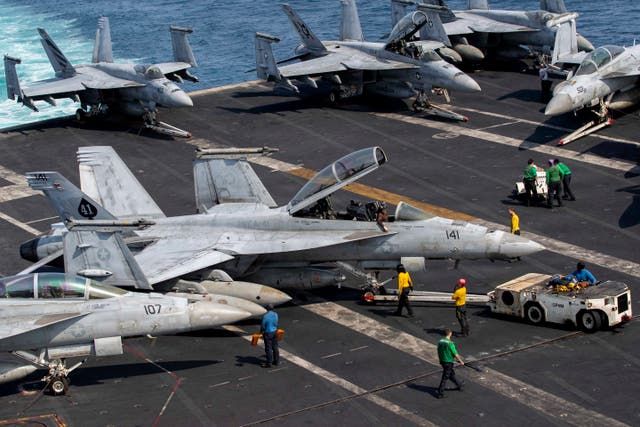
According to military updates, US forces deployed low-flying aircraft and Apache helicopters to engage Iranian vessels and drones operating near the strait. The move follows a period in which Iran allowed limited safe passage for some vessels, suggesting a fragile and conditional control over maritime traffic in the region.
Military officials reported that A-10 aircraft and Apache helicopters are actively involved in targeting fast-moving watercraft believed to pose a threat to commercial shipping lanes.
These operations highlight the increasing militarization of the Strait of Hormuz, where even small-scale engagements could trigger broader conflict escalation.
The presence of advanced US aircraft signals a clear shift toward sustained military pressure in an attempt to deter Iranian interference with global shipping.
At the same time, Israeli military actions have intensified, particularly with recent strikes on Tehran and the strategically important South Pars gas field.
This gas field is one of the largest in the world and a critical asset to Iran’s energy exports. The attack marks a significant escalation in the Iran US war Strait of Hormuz escalation, as energy infrastructure becomes a central target in the conflict.
Israeli leadership has maintained that its actions are independent, despite coordination with the United States on broader strategic goals.
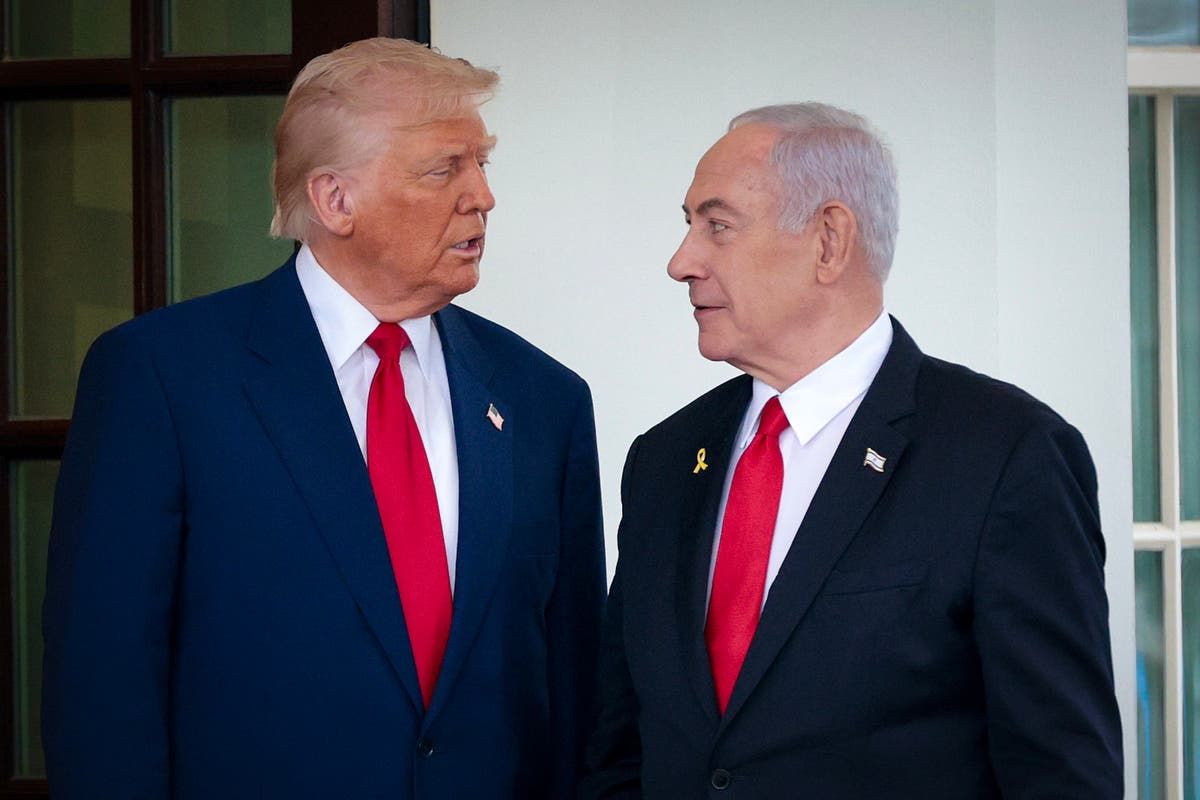
Prime Minister Benjamin Netanyahu stated that Israel acted alone in its attack on Iran’s energy infrastructure, while also acknowledging cooperation with US President Donald Trump on limiting further escalation.
This dual narrative reflects both alignment and divergence between the two allies, especially regarding the targeting of critical infrastructure.
The geopolitical implications of these strikes are substantial. Energy markets have already reacted to the conflict, with oil prices experiencing sharp increases following disruptions to production and shipping routes.
Brent crude has surged above $100 per barrel, reflecting concerns about supply shortages and the potential for further disruption if the Strait of Hormuz becomes impassable.
Analysts warn that prolonged instability could lead to sustained price volatility and economic strain in both developed and developing nations.
In parallel, Iran has responded with its own series of retaliatory actions. Missile strikes have been reported across several Gulf states, including Qatar, Saudi Arabia, and the United Arab Emirates.
These attacks demonstrate Iran’s willingness to expand the conflict beyond its immediate borders, further increasing the risk of a regional war. Air defense systems in cities such as Dubai have intercepted incoming projectiles, highlighting the vulnerability of civilian and economic centers to spillover violence.
The Strait of Hormuz itself remains the most critical flashpoint in the Iran US war Strait of Hormuz escalation. As one of the world’s most important chokepoints for oil transport, any disruption in this narrow waterway has immediate global consequences.
Reports indicate that some vessels are now rerouting their paths, with certain tankers negotiating safe passage through Iranian-controlled corridors in exchange for fees or assurances.
This emerging pattern suggests a semi-controlled maritime environment, where access is granted conditionally rather than guaranteed.
There are growing concerns that these arrangements could set a precedent for future maritime extortion or controlled passage systems, fundamentally altering global shipping dynamics.

If Iran continues to assert control over the strait, it could leverage its position to extract economic or political concessions from shipping operators and international stakeholders.
Diplomatic tensions are also rising alongside the military confrontation. Statements from regional leaders, including Saudi officials, indicate that trust with Iran has deteriorated significantly.
Saudi Arabia has warned that it reserves the right to respond militarily if provoked further, signaling a potential expansion of the conflict into a broader Gulf confrontation.
This development raises the stakes even higher, as multiple regional powers now appear ready to engage if the situation escalates further.
International organizations have expressed deep concern over the humanitarian and legal implications of the conflict.
The United Nations has suggested that attacks on energy infrastructure by either side could constitute violations of international law, potentially amounting to war crimes.
This statement underscores the seriousness of targeting civilian-dependent systems such as oil refineries and gas fields, which have far-reaching consequences beyond military objectives.
Civilian impact is already becoming evident. Energy disruptions have affected not only fuel prices but also electricity and industrial production in several countries.
Increased costs are expected to ripple through global supply chains, affecting everything from transportation to food prices. In developing regions, these effects could be particularly severe, exacerbating existing economic vulnerabilities.
Meanwhile, the political dimension of the conflict continues to evolve. Differences in messaging between US and Israeli leadership suggest that while both countries share strategic objectives, they may not fully agree on tactics.
President Trump’s reported request for Israel to halt certain strikes indicates an attempt to manage escalation, although ongoing military actions suggest limited success in controlling the pace of the conflict.
Netanyahu has publicly stated that Iran is significantly weakened and unable to maintain its previous military capabilities, including missile production and uranium enrichment.
However, he also acknowledged that achieving a full political transformation in Iran would require ground-level involvement, hinting at the limits of aerial and remote warfare.
On the Iranian side, officials continue to frame the conflict as a defensive struggle against external aggression. The country’s leadership has emphasized its right to retaliate and defend its sovereignty, particularly in response to attacks on its energy infrastructure.
This narrative resonates domestically, where national pride and resistance to foreign intervention play a significant role in shaping public sentiment.
The Iran US war Strait of Hormuz escalation also carries broader implications for global security alliances. As tensions rise, countries across Europe, Asia, and the Middle East are closely monitoring developments and preparing contingency plans.
Some nations may be forced to choose sides or adopt neutral stances depending on how the conflict evolves, potentially reshaping international relations.
Economically, the situation remains precarious. Continued disruptions in oil supply could lead to inflationary pressures worldwide, forcing central banks to reconsider interest rate policies.
Businesses dependent on stable energy prices may face uncertainty, leading to reduced investment and slower economic growth in affected regions.
In addition, the conflict could impact global trade routes beyond the Strait of Hormuz. Insurance costs for shipping through the region are expected to rise, and some companies may divert their routes to avoid potential conflict zones.
These adjustments could increase shipping times and costs, further contributing to global economic instability.
As the Iran US war Strait of Hormuz escalation continues, the risk of miscalculation remains high.
With multiple military forces operating in close proximity, even a minor incident could trigger a larger confrontation. Analysts warn that without diplomatic intervention, the situation could spiral into a prolonged regional conflict with global consequences.
Read also: Iran-US war latest escalation: Israel strikes again as Trump restrains energy attacks
The coming days will be critical in determining whether the situation stabilizes or escalates further. Diplomatic efforts, military restraint, and international pressure will all play a role in shaping the trajectory of the conflict.
For now, however, the region remains on edge, with the Strait of Hormuz at the center of one of the most dangerous geopolitical crises in recent history.
About The Author
