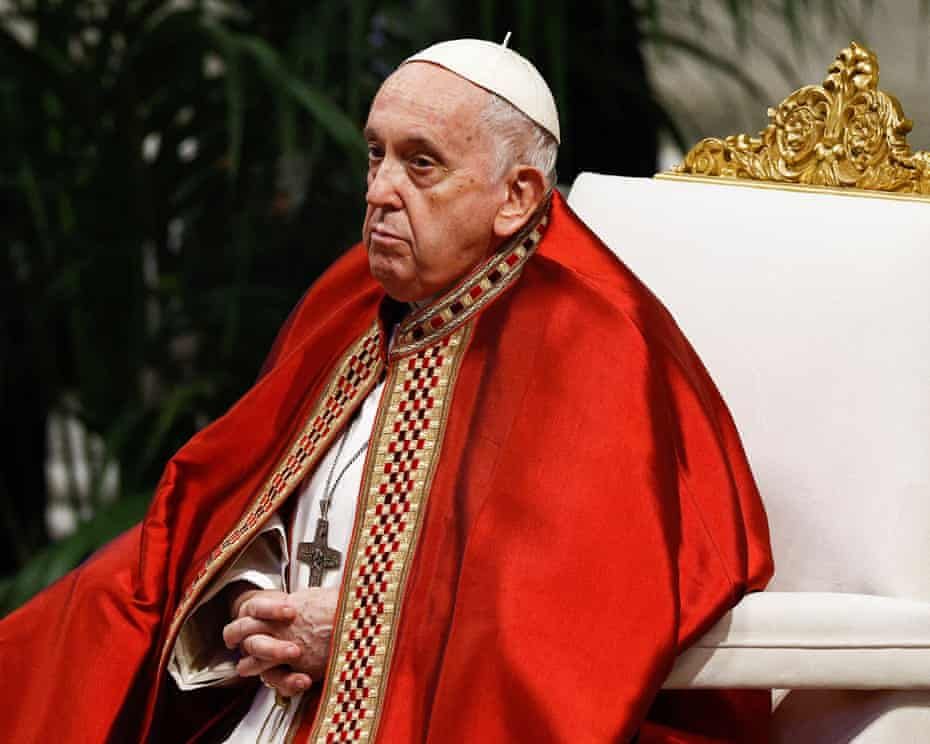
Pope Francis’ private diary has revealed disturbing accounts of spiritual visions, including encounters with the devil and what he described as the “gates of hell” while confronting the Catholic Church’s sexual abuse scandal in Chile.
The revelations are contained in excerpts from The Private Diary of Pope Francis, published globally on Tuesday, offering insight into the late pontiff’s personal fears, spiritual struggles, regrets and reflections during his years in the Church.
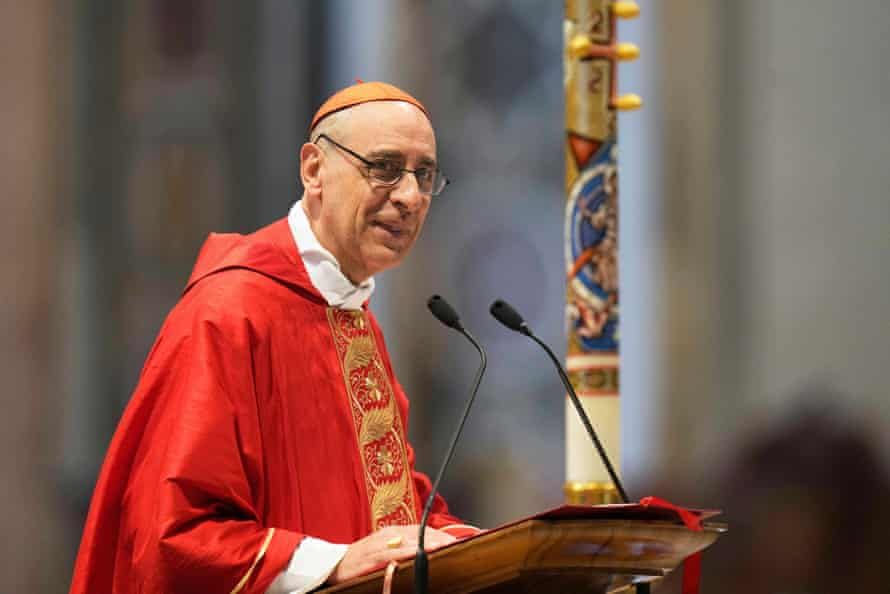
The diary, which covers entries between 1992 and 2024, was curated by his close aide, Cardinal Victor Manuel Fernández, who said Francis had asked him to make some of his private reflections available to the public.
Pope Francis describes encounters with the devil
In an entry written in January 2021, Francis recalled experiencing what he described as spiritual visions, including encounters with the devil.
The former Argentine pontiff said he had clearly heard the devil’s voice and remembered seeing him on two occasions, once from a car and another time in a choir loft during Mass.
The encounters reportedly happened about 15 years earlier, when Francis was serving as archbishop of Buenos Aires.
He wrote that the devil’s “menacing eyes” remained unforgettable, describing experiences that continued to trouble him long after they occurred.
Francis also reflected on feeling the devil’s presence during his international travels as pope, particularly during his visit to Chile in 2018, when the country was grappling with widespread allegations of clerical sexual abuse.
Chile abuse scandal left pope deeply troubled
Francis’ visit to Chile became controversial after he publicly discredited victims of clerical sexual abuse during an in-flight press conference, drawing widespread criticism.
He later apologised, commissioned an investigation and acknowledged that the victims were right after discovering that he had been misled by members of the Chilean Church hierarchy.
The scandal forced the pope to confront the extent of the abuse and the failures of church authorities to properly address allegations.
In his diary, Francis described being devastated by the situation and admitted that he had initially underestimated the severity of the crisis.
“I didn’t think it was so serious,” he wrote, reflecting on his earlier understanding of the allegations.
The revelations eventually prompted him to convene an unprecedented meeting of cardinals at the Vatican in 2019 to address clerical sexual abuse and the Church’s response to victims.
Francis recalls vision of the gates of hell
Several months after his reflections on the Chilean scandal, Francis wrote about experiencing a vision of what he described as the entrance to hell.
He said the experience terrified him as he contemplated the scale of the crisis and what he viewed as the spiritual dangers confronting the Church.
In the diary, he recalled seeing the “entrance to hell” and described the situation as one of pagan seduction.
“I peeked in to look a little, and it terrified me,” he wrote.
Francis said he grabbed his rosary, which he described as a weapon, and expressed gratitude to God for the spiritual assistance he felt he received.
The account offers an unusually personal glimpse into how the pope interpreted the Church’s crisis, combining his distress over institutional failures with his deeply rooted religious convictions.
Diary exposes pope’s spiritual crisis and personal regrets
The published passages also reveal that Francis endured a prolonged spiritual crisis lasting about two years, beginning in 2021.
During the period, he struggled with temptations, governance responsibilities and the pressures of making difficult decisions affecting the Catholic Church.
He also reflected on his deteriorating health and his fears of becoming someone who manipulated others or treated people as instruments of power.
In a December 2022 entry, he described the crisis as a combination of governance challenges, pressure over decisions and spiritual desolation.
Francis was also candid about his personal shortcomings, acknowledging feelings of disdain, envy and pride.
He recalled ignoring a drunk man who approached him on the street because he wanted to enjoy some peace and quiet, an incident that left him questioning his own behaviour.
In another reflection dated 30 December 2022, he described himself as “the arrogant, self-sufficient, cynical Jorge who lies to himself”, referring to his birth name, Jorge Bergoglio.
He also admitted experiencing anger and frustration during some periods of his pontificate, including an entry in January 2017 in which he acknowledged being upset for several days.
What the diary reveals about Francis’ relationships
The book also contains Francis’ reflections on prominent figures within the Catholic Church, including people who later became his critics and successor.
Cardinal Victor Manuel Fernández said Francis held positive views about Robert Prevost, who was elected Pope Leo in May 2025.
Francis reportedly described Prevost as a great pastor, generous missionary and irreproachable man.
He also expressed favourable opinions about two prominent critics, Cardinal Robert Sarah of Guinea and Cardinal Gerhard Müller of Germany.
Although Francis regarded Sarah as possessing refined spiritual sensitivity, he acknowledged that Müller could appear aggressive while insisting that he was a good man.
The reflections suggest that Francis maintained a more nuanced view of some of his critics than their public disagreements might have indicated.
Cardinal Fernández publishes selected diary passages
Fernández, head of the Vatican’s Dicastery for the Doctrine of the Faith, said Francis had asked him to make the diary known to the world.
Following the pope’s death in April 2025, Fernández reportedly worried that the diary could be forgotten and left in storage. He subsequently sought permission from Pope Leo to publish selected passages.
The book does not contain the complete diary. Fernández said Francis recorded his most confidential thoughts using an indecipherable code, which has not been included in the published material.
The excerpts are accompanied by Fernández’s commentary, providing context for the late pope’s spiritual concerns and personal reflections.
Francis made only a brief entry about his election as pope in July 2013, writing: “They elected me pope on 13 March.”
The publication provides a rare window into the private life of the late pontiff, revealing a man who wrestled with spiritual fears, institutional crises, personal failings and the enormous responsibilities of leading the Catholic Church.
About The Author