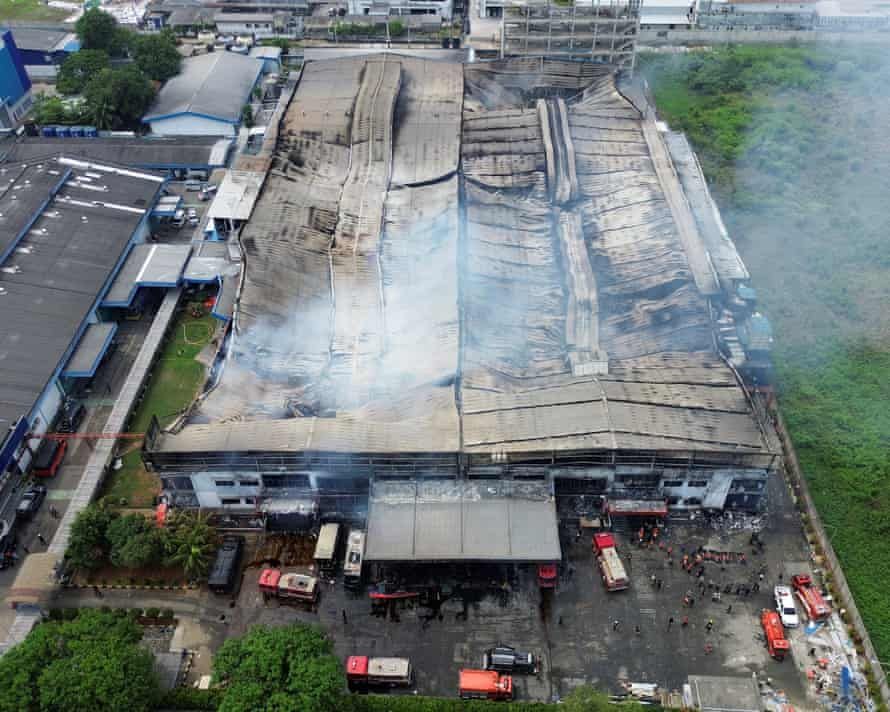
The Indonesia confectionery factory fire has killed at least 24 people and left about 30 others missing after a devastating blaze swept through a manufacturing facility in Cikande, Banten province, approximately 50 kilometres west of Jakarta.
Rescue workers are continuing searches through the damaged factory as emergency teams battle unstable structures, collapsed sections and the possibility of the fire reigniting. Authorities have warned that difficult conditions are slowing efforts to reach every affected section of the building.
The fire broke out on Saturday at the PT Fonusa Agung Mulia confectionery factory. By Monday, firefighters were still conducting cooling operations before they could safely enter all parts of the facility and complete their search for missing workers.
According to The Guardian, Indonesian authorities confirmed that 24 people had died, while approximately 30 others remained unaccounted for. The disaster has also raised renewed concerns about workplace safety and emergency preparedness in the country’s manufacturing sector.
Indonesia factory fire leaves families waiting for answers
The scale of the tragedy has created an agonising situation for relatives waiting outside the damaged facility for information about their loved ones. With several people still missing, families are facing uncertainty as rescue and identification operations continue.
Banten province governor Andra Soni said an estimated 60 people were inside the factory when the fire started. The figure highlights the scale of the emergency and the number of workers potentially affected by the incident.
The factory is owned by United Family Food, a company employing approximately 5,000 people and supplying consumer products to Indonesia’s domestic market. Its products include Milkita confectionery and Lemonilo instant noodles, according to information published on the company’s website.
The fire has therefore drawn attention not only because of the number of casualties but also because it occurred at a major manufacturing facility employing thousands of people.
Rescue operations complicated by collapsed structures
Firefighters have faced considerable difficulties entering the damaged building because sections of the structure collapsed during the blaze. Poor lighting has also forced emergency personnel to proceed carefully while examining areas already brought under control.
Tubagus Mahfud, operations chief of the Serang fire department, said firefighters were carrying out intensive cooling operations on Monday before gaining access to every section of the factory.
Mahfud explained: “We are conducting sweeps in the areas that have already been brought under control.”
He added: “Parts of the structure had collapsed, while poor lighting conditions required firefighters to proceed cautiously.”
The statements underline the dangers facing rescue workers as they search for people who may still be trapped beneath debris or inside inaccessible sections of the building.
Authorities are also concerned that materials used in the factory’s production processes could cause another outbreak if the cooling operation is not completed properly.
Mahfud said this possibility made it essential for firefighters to finish cooling the affected areas before expanding their search. Emergency teams must therefore balance the urgency of locating missing people with the need to protect rescuers from further danger.
DNA samples needed to identify victims
The condition of several victims has made visual identification impossible, forcing Indonesian authorities to seek assistance from relatives through DNA samples and other identifying information.
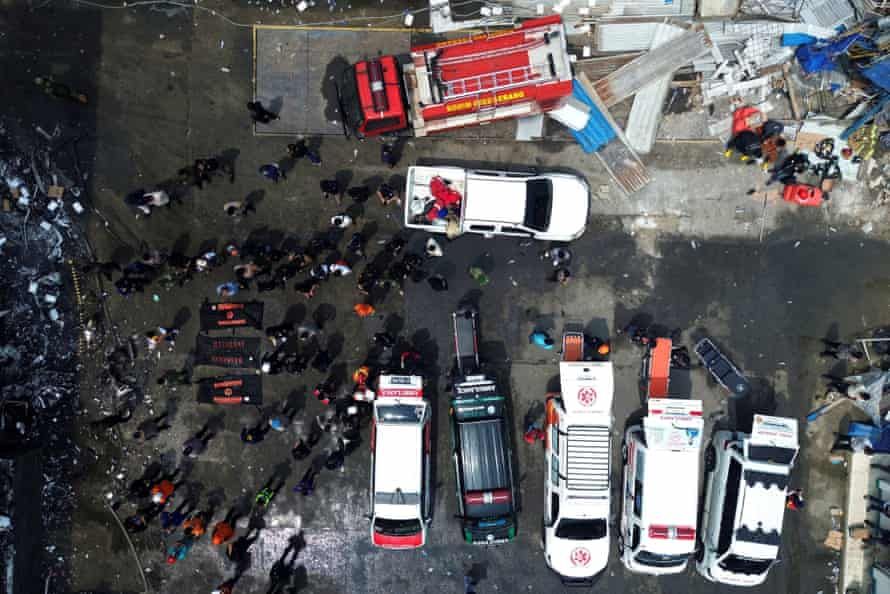
Wahyu Hidayati Dwi Palupi, who heads the national police’s victim identification division, said families were being encouraged to provide biological samples and relevant details to help investigators establish the identities of those who died.
She explained that the remains had been placed in body bags and transferred to a hospital for identification procedures.
The process is expected to be particularly difficult because the intensity of the fire damaged the bodies beyond the point where relatives could reliably identify victims through visual examination.
DNA testing is therefore central to the identification exercise, allowing specialists to compare biological evidence with samples supplied by family members.
For relatives waiting for confirmation, the process represents an important but painful stage in understanding what happened to their loved ones. Authorities must establish identities accurately before families can receive definitive information.
Families urged to assist identification efforts
The police identification division’s appeal highlights the importance of cooperation between investigators and relatives during major disasters.
Families may need to provide DNA samples alongside personal information that can assist specialists in matching remains with missing individuals.
The identification process is also essential for ensuring that the authorities maintain accurate casualty records as rescue operations continue.
With approximately 30 people still missing, officials face the difficult task of determining whether those unaccounted for are among the recovered victims or remain trapped inside the damaged factory.
The Indonesia confectionery factory fire has consequently developed into both a rescue emergency and a major victim-identification operation.
Possible electrical fault under investigation
Indonesian authorities have not yet established the definitive cause of the fire. However, preliminary reports suggest that an electrical fault involving an air-conditioning unit may have triggered the blaze.
Said Iqbal, a presidential adviser on labour issues, told reporters that an air-conditioner short circuit was among the possible explanations being examined by investigators.
The suggestion remains preliminary, and authorities have not announced a final determination of what started the fire.
Iqbal also said officials were assessing whether the factory had properly implemented safety protocols. He indicated that he would summon the company’s chief executive as part of the government’s response to the disaster.
The investigation is expected to examine the circumstances surrounding the outbreak, the factory’s safety arrangements and whether the facility complied with applicable workplace requirements.
Factory management defends its safety arrangements
Steven Wijaya, the company’s chief executive, said the factory regularly conducted emergency and evacuation exercises in cooperation with local firefighters.
He maintained that the facility had adequate evacuation routes and fire protection systems that complied with applicable safety standards.
Wijaya also said those systems were functioning when the fire occurred.
His comments present the company’s position as authorities examine the circumstances surrounding the disaster. However, the government’s assessment of safety protocols and the investigation into the cause of the fire will be important in establishing whether any failures contributed to the deaths.
The company did not immediately respond to a request for comment from The Guardian when the newspaper sought its reaction.
The investigation will need to establish how the fire spread, whether workers could escape safely and whether the emergency arrangements were sufficient to protect people inside the building.
Indonesia faces renewed concerns over industrial fire safety
The latest disaster has revived concerns about industrial safety in Indonesia, where several deadly incidents involving manufacturing and commercial facilities have occurred in recent years.
The country has experienced major fires and industrial explosions that have resulted in significant loss of life, raising questions about enforcement of safety regulations and emergency preparedness.
In December last year, a fire believed to have been caused by a drone battery explosion swept through a seven-storey building in Jakarta, killing at least 22 people, according to police.
Another deadly incident occurred in 2023, when an explosion at a nickel-processing plant in eastern Indonesia killed at least 13 people.
These incidents have intensified scrutiny of workplace conditions, particularly in facilities where industrial materials, electrical installations and production equipment can create serious fire risks.
The latest Indonesia confectionery factory fire adds to that troubling record and is likely to increase pressure on authorities to examine safety arrangements across the manufacturing industry.
Government response and accountability
Iqbal’s statement that the factory’s chief executive would be summoned signals that the government intends to examine management’s responsibilities alongside the technical investigation into the fire.
The assessment of safety protocols will be particularly important in determining whether the facility’s emergency arrangements met the standards required to protect employees.
Investigators will also need to establish whether the reported electrical fault was responsible for the outbreak and whether any additional factors contributed to the rapid spread of the flames.
For the families of the dead and missing, however, the immediate priority remains the recovery and identification of victims.
Rescue workers must continue searching the unstable structure while ensuring that the remaining sections are sufficiently cooled to prevent another outbreak.
The Indonesia confectionery factory fire has exposed the devastating human consequences of an industrial emergency, leaving families grieving, dozens awaiting confirmation about missing relatives and authorities facing difficult questions about workplace safety.
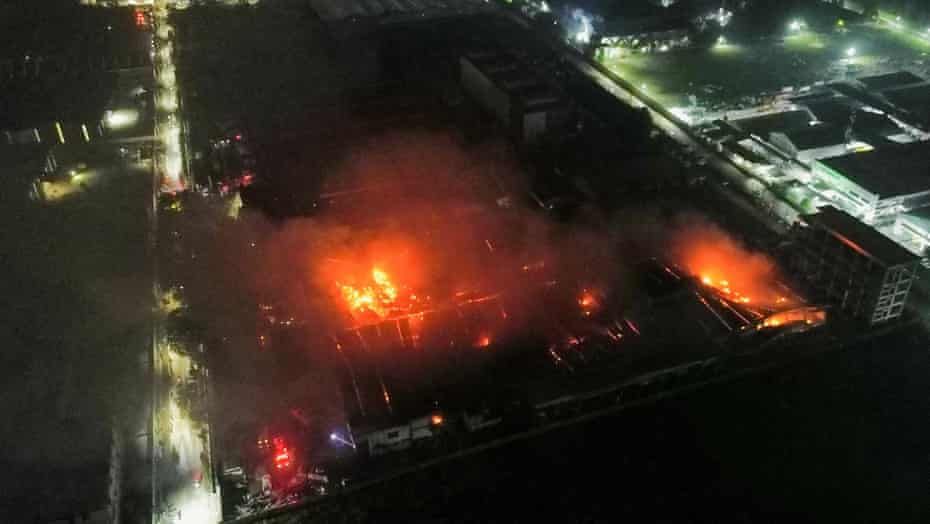
As investigations continue, the country will be looking for clear answers about what caused the blaze, whether safety measures were adequate and what steps can prevent similar tragedies in the future.
About The Author