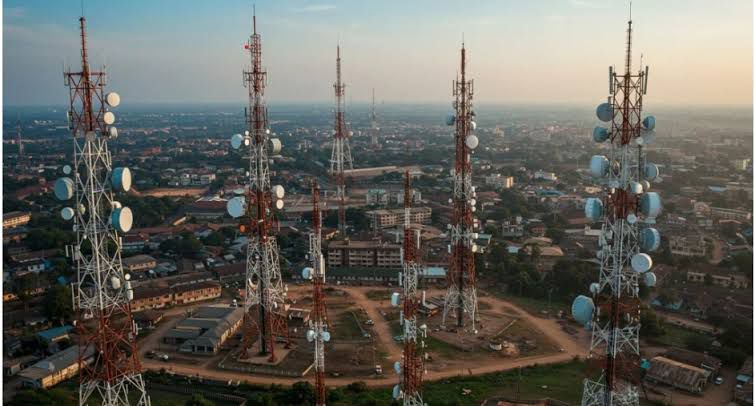
Japan oil reserves have officially begun release as the ongoing Iran war sparks a global energy crisis. The move, announced in the Japanese government’s official gazette on Monday, comes amid growing concerns over the effective closure of the Strait of Hormuz, a critical artery for global oil shipments, following Iran’s response to US-Israeli attacks.
Japanese Prime Minister Sanae Takaichi confirmed that Tokyo would release 80 million barrels of oil from its strategic stockpiles.
The announcement came just before the International Energy Agency (IEA) unveiled plans to coordinate a historic release of 400 million barrels globally to mitigate the widening fallout from the conflict.
Despite these measures, oil prices have repeatedly surged past $100 per barrel in recent days, reflecting market anxiety over prolonged disruptions to the vital waterway.
Analysts have warned that prices are likely to remain volatile as long as shipping through the Strait of Hormuz—responsible for transporting roughly one-fifth of the world’s oil supply—remains effectively halted.
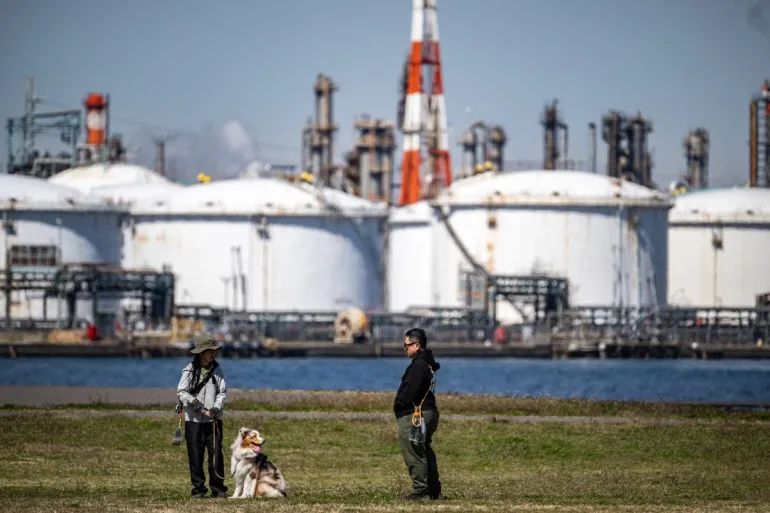
Brent crude, the benchmark for global oil prices, reached $104.85 per barrel as of Monday morning GMT, marking a more than 40 percent increase since the outbreak of hostilities on February 28.
Tokyo has clarified that it has no plans to deploy its navy to the strait, despite calls from US President Donald Trump urging international partners to escort ships and reopen the passage.
Japan’s reliance on imported fossil fuels, which account for about 80 percent of its energy consumption, underscores the urgency of the decision to tap strategic reserves.
The release of Japan’s oil reserves highlights the country’s dual strategy: mitigating domestic supply shortages while contributing to international efforts to stabilize global markets.
Japan is among the world’s largest oil importers and also maintains one of the largest emergency oil reserves, enough to cover 254 days of domestic consumption.
Takaichi emphasized that the move aims to shield Japanese consumers and industries from sudden price spikes while maintaining overall energy security.
“The situation in the Strait of Hormuz is unprecedented,” said Hiroshi Saito, an energy market analyst based in Tokyo. “Even with the release of reserves, markets will remain jittery because the underlying risk—prolonged disruption to one of the world’s busiest oil passages—has not been resolved.”
The energy crisis triggered by the Iran war has rippled far beyond the Middle East. Countries across Asia and Europe are grappling with rising fuel costs, transportation bottlenecks, and concerns over energy security.
Southeast Asian nations such as Indonesia and Vietnam, heavily dependent on imported oil and with limited stockpiles, have begun implementing measures to curb energy consumption, including temporary office closures and travel restrictions.
Global institutions are also responding to the crisis. The IEA’s coordinated release of 400 million barrels is the largest in its history, reflecting the scale of disruption caused by the Iran war. While this intervention is expected to ease immediate market pressures, analysts caution that it may be insufficient if tensions in the region continue or escalate further.
Iran’s military actions, including the effective blockade of the Strait of Hormuz and targeted missile and drone strikes in Gulf waters, have heightened geopolitical risks.
The attacks have prompted heightened security measures from Gulf nations and underscored the strategic vulnerability of global oil supply chains. Any escalation could have long-lasting effects on energy markets, with ripple effects on inflation, trade, and economic growth worldwide.
In Japan, the government’s move has been met with a mix of relief and concern.
Industrial sectors, particularly transportation and manufacturing, stand to benefit from the temporary stabilization of oil prices. However, the reliance on strategic reserves is inherently a short-term solution, and policymakers are increasingly focused on diversifying energy sources, investing in renewable energy, and enhancing energy efficiency.
Financial markets have reacted sharply to the unfolding situation. Oil traders continue to weigh the implications of extended shipping disruptions and the potential for additional regional conflict.
The volatility has also prompted debates among economists about the effectiveness of reserve releases versus longer-term strategies such as expanding alternative energy production or securing diversified supply chains.

The United States and Israel continue their military operations in Iran, further fueling uncertainty. Despite calls from President Trump for allied nations to participate in naval escorts through the Strait of Hormuz, responses have been cautious.
Japan’s decision to refrain from sending naval forces reflects a balancing act between international pressure and domestic priorities, emphasizing energy security over direct military involvement.
Brent crude and other benchmarks remain sensitive to news from the region.
On Monday, Brent crude eased slightly after reaching highs over the weekend, but analysts warn that prices could spike again if disruptions continue. “The market is in a delicate balance,” said Mari Nakamura, a Tokyo-based commodities strategist. “Even small developments in the Strait of Hormuz or Iran can trigger large price swings because of the sheer volume of oil passing through that channel.”
The broader economic implications are significant. Rising energy costs affect not only transportation and manufacturing but also household expenses, potentially fueling inflationary pressures.
For economies heavily reliant on imported oil, like Japan, the stakes are particularly high. Governments are exploring various measures, from releasing reserves to diplomatic engagement, to mitigate the impact on both domestic and international markets.
International coordination efforts are ongoing. The IEA’s record release represents an unprecedented attempt to stabilize markets, but experts caution that without resolution to the geopolitical conflict, temporary measures may have limited impact. “Reserves can buy time, but they are not a long-term solution,” said Saito. “Energy security ultimately depends on political stability and diversified sources.”
In addition to government measures, private sector actors are adjusting to the new reality. Shipping companies are rerouting vessels, energy firms are exploring alternative supply chains, and financial institutions are hedging against further price spikes. The crisis underscores the interconnected nature of global energy markets and the vulnerability of economies to geopolitical shocks.
Read also: US moving troops from Japan to Middle East as Iran war tensions rise
Japan’s release of oil reserves also carries symbolic significance. It signals the country’s proactive approach to energy security while emphasizing its commitment to international cooperation.
By aligning with the IEA’s coordinated efforts, Japan seeks to cushion both domestic and global markets from extreme volatility, while navigating the delicate balance between diplomatic pressures and economic imperatives.
As the Iran war continues and the Strait of Hormuz remains effectively closed, global markets, governments, and consumers are closely watching developments. Japan oil reserves begin release is a significant step in mitigating immediate supply pressures, but it is part of a broader, complex response to a crisis that threatens to reshape energy markets worldwide.
About The Author