Pope Leo’s migrant appeal opened July 4, 2026, as the first U.S. pope traveled to Lampedusa to urge Americans to welcome immigrants and Europeans to adopt comprehensive protection strategies.
The island lies between Tunisia, Malta, and Sicily on one of the world’s deadliest routes, where 14,464 migrants have arrived in Italy by sea this year.
Over half landed on Lampedusa, whose population is about 6,000, while 1,400 people have died or gone missing crossing the Mediterranean, including 28 children.
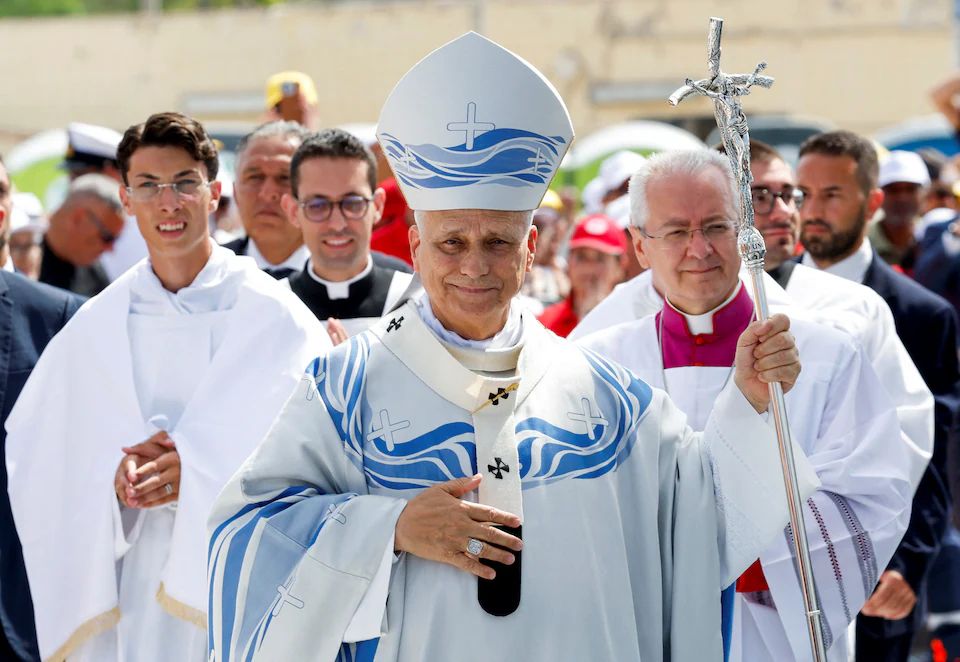
Leo arrived before 9 a.m., laid flowers at a cemetery for those lost at sea, and walked through the “Door of Europe” installation toward the water.
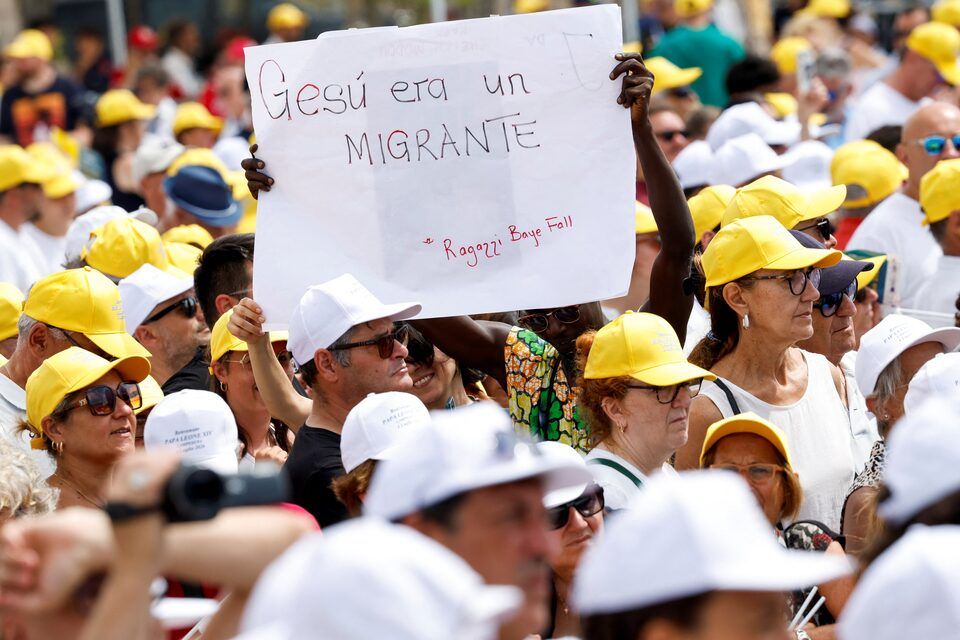
He told Coast Guard rescuers, aid workers, and newly arrived migrants, “I have come to show that the pope continues to accompany you, support you and encourage you.”
Kandeh Abdourahman, who reached Lampedusa in 2015, said, “The pope’s visit speaks to every one of us,” and added that welcome must be an act, not a slogan.
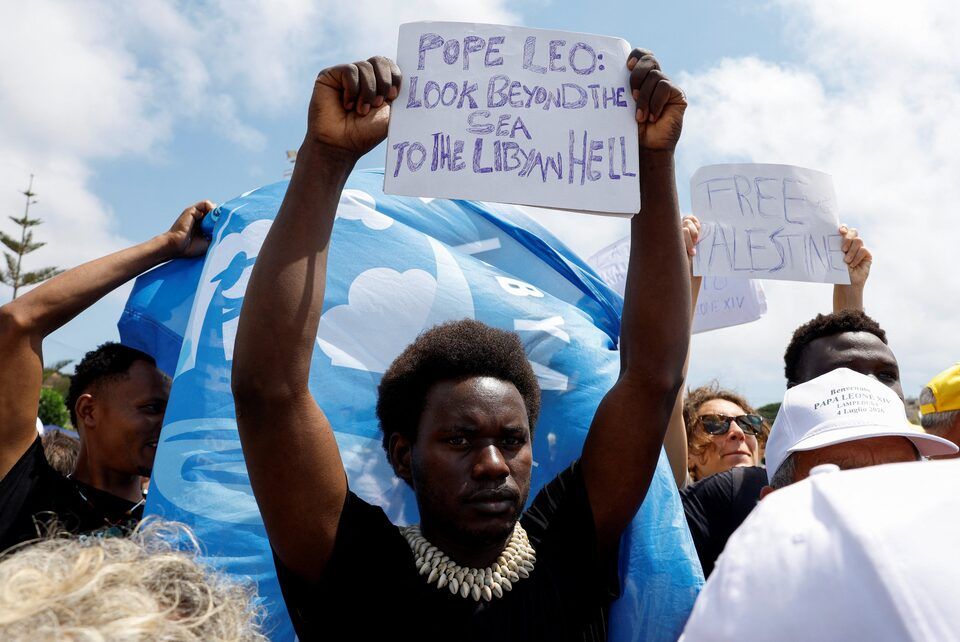
The trip echoed Pope Francis’ 2013 visit, his first outside Rome, signaling continuity that migration remains central to the papacy’s public witness.
Anna Leer of the U.N. Refugee Agency said, “Pope Leo XIV’s presence sends a clear message when debate often focuses on borders rather than protection and responsibility.”
The Message to the United States
Linking July 4 to Welcome
Leo’s letter to the U.S. tied Catholic teaching to national ideals, saying defending life includes “welcoming, protecting and assisting immigrants” on Independence Day.
“To receive (immigrants) with compassion and generosity is not only an act of charity, but also a recognition of the dignity that belongs to every human person,” he wrote.
On Friday, in his first major address to Americans, he praised the country’s immigrant history and urged citizens to uphold Declaration of Independence ideals.
The appeal recalled last year’s clash with Donald Trump over “inhuman” anti-immigration policies, but Leo kept the tone moral rather than partisan.
Why the Timing Mattered
Vatican officials said July 4 was deliberate, contrasting national celebration with a call for shared responsibility toward people fleeing war and poverty.
By speaking from Lampedusa, Leo grounded abstract values in a place where boats arrive daily and rescuers pull survivors from overcrowded vessels.
A European Strategy Beyond Rescue
Comprehensive and Long-Term Action
Leo urged Europe to integrate emergency relief into “a long-term strategic plan capable of receiving, protecting, supporting and integrating migrants” across member states.
He also asked leaders to improve conditions in origin countries so fewer people feel forced to leave, addressing push factors at their source.
From Symbol to Policy
Symbolic visits must convert into budgets, asylum procedures, labor pathways, and safe routes that reduce reliance on smugglers and dangerous boats.
Without structural change, Mediterranean deaths will persist despite pastoral trips, press coverage, and recurring pledges of solidarity from capitals.
Pastoral Presence on the Frontline
Accompanying Rescuers and Islanders
Lampedusa’s Coast Guard and volunteers manage arrivals far beyond the island’s capacity, often working through nights of rough seas and medical emergencies.
Leo’s presence recognized their labor and the trauma of islanders who live at the intersection of compassion, logistics, and public scrutiny.
Centering Migrants’ Stories
Since May 2025, Leo has made migrants a papal priority, warning that history will judge harshly leaders who mistreat newcomers.
Lampedusa therefore functions as both liturgy and policy brief, placing faces and names beside statistics that otherwise feel distant.
Data That Demands Response
Arrivals and Losses in 2026
U.N. data shows 14,464 sea arrivals to Italy this year, with Lampedusa receiving the majority while its infrastructure strains under demand.
The loss of 28 children at sea this year illustrates the human cost when safe, legal pathways remain limited or inaccessible.
Counting the Deadly Routes
Most journeys cross the Sahara before the sea, exposing people to exploitation, violence, and extreme weather before any boat departs.
These risks multiply when deterrence dominates policy and protection systems lack coordination across transit, arrival, and integration stages.
Moral Weight, Political Effect
Dignity as a Policy Principle
Leo framed dignity as non-negotiable, arguing that compassion is not optional charity but a recognition of rights owed to every person.
That principle challenges deterrence-first narratives and asks governments to measure success by lives saved and futures restored.
Witness and Accountability
“Every act of witness to the humanity of those who flee violence, persecution and conflict carries moral and political weight,” Leer told Reuters.
Witness becomes accountability when parliaments fund rescue fleets, expand visas, and protect children separated from families at borders.
Next Steps After Lampedusa
Safe and Legal Pathways
Expanding humanitarian visas, family reunification, and resettlement quotas can reduce reliance on smugglers and prevent further drownings at sea.
Read also: Kostiantynivka battle intensifies as Russia claims victory and Ukraine pushes back
Clear, predictable procedures also help communities plan reception, housing, schooling, and healthcare without last-minute crises.
Investment in Origin Countries
Development, climate adaptation, and conflict prevention lower forced migration pressures over time, complementing rescue and reception work in Europe.
Leo’s call to improve conditions at home aligns emergency ethics with long-term strategy across Africa, the Middle East, and beyond.
About The Author