The Pope Leo XIV faces Vatican crisis is rapidly escalating as a traditionalist Catholic sect prepares to ordain four bishops without authorization from the Holy See, threatening a fresh schism within the Roman Catholic Church and creating one of the most serious challenges of Pope Leo’s papacy.
The Society of St Pius X (SSPX), a conservative religious order founded more than five decades ago in opposition to reforms introduced by the Second Vatican Council, has announced plans to consecrate four bishops on July 1. The move has placed the group on a direct collision course with the Vatican and could deepen already strained relations between church leaders and right-wing Catholics in the United States, Europe and beyond.
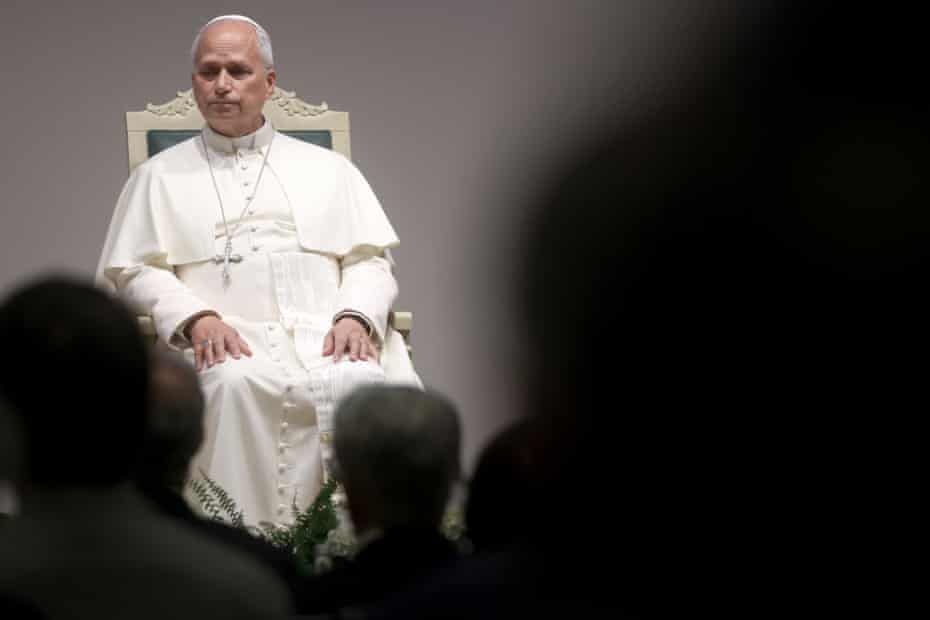
Pope Leo XIV has made a final appeal for unity, warning that the group’s actions could have severe consequences for its future relationship with Rome.
“Do not do this, let us try to live in communion within the church.”
The Pope’s plea highlights the seriousness of a dispute that now threatens to become a defining test of his leadership.
Why the SSPX Ordinations Are Causing Alarm
Under Catholic canon law, the ordination of bishops without papal approval is regarded as a grave act that can result in automatic excommunication. The Vatican views episcopal appointments as a central responsibility of the Pope, making any attempt to bypass Rome a direct challenge to church authority.
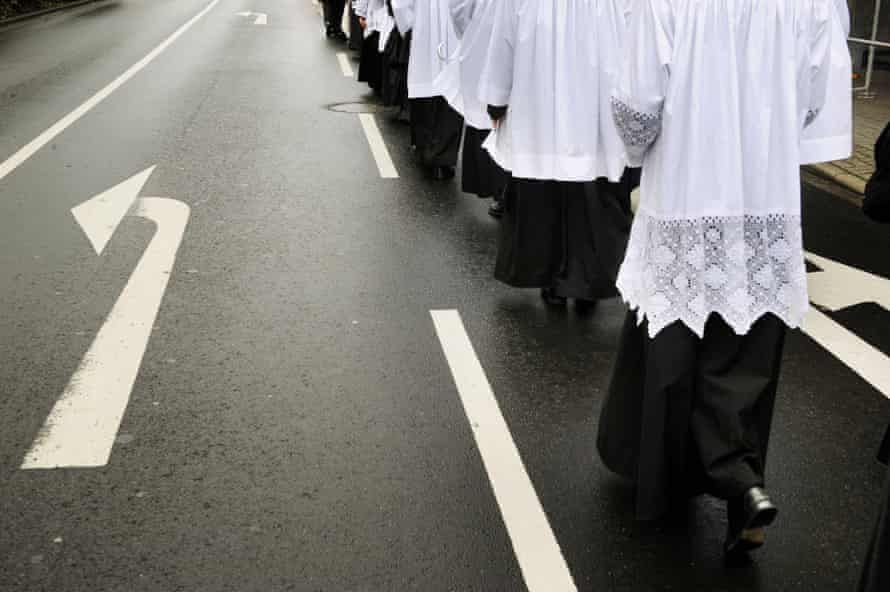
Despite those warnings, the SSPX has indicated it intends to proceed with the consecration of four bishops—two French priests, one Swiss priest and one American priest.
The group insists the move is driven by necessity rather than rebellion.
According to the SSPX, the planned ordinations “do not proceed from any desire to claim a power of jurisdiction or to establish a parallel authority within the Church.”
Yet many observers believe the decision represents far more than an administrative matter. It has become a symbolic confrontation between traditionalist Catholics and the post-Vatican II Church.
The stakes are enormous because the outcome could influence how conservative Catholics around the world view Pope Leo’s leadership and the authority of the Vatican itself.
Pope Leo XIV Draws a Line
The Pope has attempted to avoid direct confrontation while making clear that the Vatican cannot ignore actions that undermine church unity.
Speaking in Rome, Pope Leo acknowledged that the ultimate decision rests with the SSPX but stressed that the consequences would be their responsibility.
“If they make that choice, I am sorry, but we must move forward.”
The statement has been widely interpreted as a warning that excommunication remains a real possibility should the ordinations proceed.
For a pontiff only a little over a year into his papacy, the dispute presents a delicate challenge. Moving too aggressively could alienate conservative Catholics already skeptical of Vatican leadership, while appearing too lenient could weaken the authority of the papacy.
The balancing act reflects broader tensions within global Catholicism as debates over doctrine, tradition and church governance continue to intensify.
Who Are the Society of St Pius X?
The Society of St Pius X was founded in Switzerland in 1970 by French Archbishop Marcel Lefebvre, a fierce critic of reforms introduced by the Second Vatican Council.
The council, held between 1962 and 1965, transformed many aspects of Catholic life. It encouraged dialogue with other Christian denominations, promoted religious freedom, modernized worship practices and sought greater engagement with the contemporary world.
Lefebvre rejected many of those reforms and argued that they represented a dangerous departure from traditional Catholic teaching.
More than five decades later, the SSPX remains committed to preserving older forms of worship, including exclusive use of the Latin Mass.
The organization claims that more than half a million people worldwide attend its religious services and says it has nearly 1,500 priests, seminarians and other vocational members.
Its influence is particularly strong in the United States, France, Switzerland and Argentina, giving the dispute international significance.
A Conflict Decades in the Making
The current standoff is not the first confrontation between Rome and the SSPX.
The last time the organization ordained bishops without Vatican approval was in 1988. The decision triggered immediate excommunications for those involved, including Archbishop Lefebvre himself.
That episode marked one of the most dramatic breaks in modern Catholic history.
Years later, Pope Benedict XVI attempted to heal the division by lifting those excommunications and opening the door to renewed dialogue. Benedict also expanded access to the Latin Mass, a move welcomed by many traditionalist Catholics.
However, full reconciliation never occurred.
Pope Francis later dissolved a Vatican commission established specifically to negotiate with the SSPX, although he also took steps to recognize some of the group’s sacramental activities.
Despite decades of talks, both sides remain divided on core theological questions.
The Real Dispute Goes Beyond the Latin Mass
Experts say the conflict cannot be reduced to disagreements about liturgy or language.
Massimo Faggioli, a professor of theology at Trinity College Dublin, argues that the fundamental dispute concerns the very identity of the modern Catholic Church.
“It’s not something that you can solve by saying: ‘OK, you can celebrate mass in Latin.'”
According to Faggioli, the SSPX rejects several principles established by the Second Vatican Council, including religious freedom, ecumenical dialogue and efforts to improve relations with other faiths.
The council also rejected antisemitism and repudiated the notion of collective Jewish responsibility for the death of Jesus Christ.
For church leaders, these reforms are foundational teachings rather than optional policies.
That reality makes compromise increasingly difficult.
Rising Influence of Conservative Catholics
The Vatican’s confrontation with the SSPX comes at a time when conservative Catholic activism is growing, particularly in the United States.
Many influential right-leaning Catholics have become more vocal in challenging Vatican positions on immigration, social issues and international affairs.
Some have aligned themselves politically with conservative movements while criticizing church leaders whom they view as too progressive.
Analysts believe the SSPX dispute could become a rallying point for traditionalist Catholics who feel disconnected from modern church leadership.
Faggioli noted that one of the most important questions is how conservative Catholics outside the SSPX will respond if the Vatican imposes sanctions.
The answer could shape Catholic politics for years to come.
Controversies Continue to Shadow the SSPX
The SSPX has long faced criticism over allegations of connections to far-right political movements and accusations of antisemitism.
Among the most controversial incidents was the arrest of Nazi collaborator Paul Touvier at an SSPX property in France in 1989. The organization maintained that it had sheltered him as an act of charity.
In 2009, one SSPX bishop sparked outrage after publicly questioning the scale of the Holocaust. Years later, the organization drew further criticism for officiating the funeral of convicted Nazi war criminal Erich Priebke.
The SSPX has repeatedly rejected accusations that it promotes antisemitism.
The organization states that it “completely rejects the false claim that it teaches or practices antisemitism.”
Nevertheless, such controversies continue to influence public perceptions of the group and complicate its relationship with the wider Catholic Church.
Read also: Venezuela earthquake disaster leaves 32 dead, 700 injured as Caracas buildings collapse after twin tremors
The Pope Leo XIV Vatican crisis has become one of the most significant religious stories of 2026 as the Society of St Pius X moves closer to ordaining bishops without papal approval. What began as a dispute over authority now threatens to deepen ideological divisions within global Catholicism.
Pope Leo’s appeal—”Do not do this, let us try to live in communion within the church”—underscores his desire to avoid a rupture. Yet his warning that “we must move forward” if the group proceeds demonstrates that the Vatican is preparing for confrontation if necessary.
With July 1 approaching rapidly, the Catholic Church faces a pivotal moment that could redefine relations between Rome and traditionalist Catholics for years to come.
About The Author