London, United Kingdom – British activists linked to Palestine Action, Heba Muraisi and Kamran Ahmed, have refused food for 67 and 60 days, determined to continue their hunger strike protests.
Muraisi, a 31-year-old Londoner formerly a florist and lifeguard, suffers severe muscle spasms, breathlessness, low white blood cell counts, and memory decline, yet remains resolute in her protest.
Ahmed, a 28-year-old mechanic, experiences chest pains, dizziness, breathlessness, and dangerously low heart rates that drop below forty beats per minute, yet refuses to end his hunger strike.
Their friends and relatives describe Muraisi as visibly emaciated with prominent cheekbones and fragile physical condition, emphasizing the extreme risks associated with continued hunger striking and potential organ failure.
The activists were arrested for alleged break-ins at Elbit Systems UK subsidiary and a Royal Air Force base in Oxfordshire; all deny the charges against them in court.
The hunger strikers demand immediate bail, fair trials, de-proscription of Palestine Action, closure of all Elbit sites in the UK, and an end to censorship in prison communications.
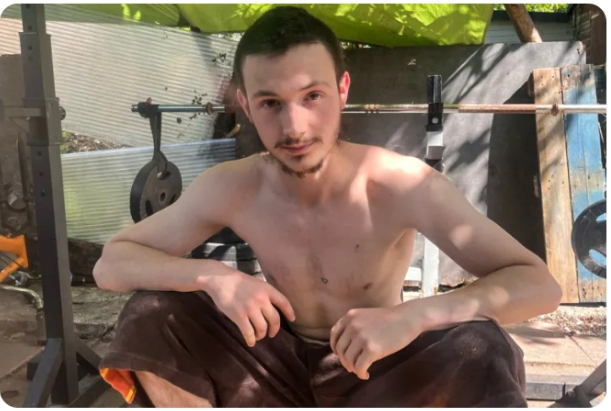
Five of the eight participants have ended their hunger strikes over health fears, leaving Muraisi, Ahmed, and Lewie Chiaramello continuing, despite warnings from doctors about irreversible damage and sudden death.
Chiaramello, a 23-year-old landscaper with type 1 diabetes, refuses food every other day, suffering disorientation, dizziness, sluggishness, and depression, significantly raising his risk of diabetic coma or organ failure.
Doctors advising the prisoners warn the government of a critical phase where death and permanent neurological or organ damage are increasingly likely without urgent medical intervention.
Hundreds of physicians have urged the UK government to increase observation frequency and ensure safe nutritional reintroduction, highlighting that current prison policies provide insufficient monitoring of severe hunger strikers.
Hospitalization has involved handcuffing and heavy restraints for activists, generating claims of degrading treatment, mental distress, bruising, and dehumanizing procedures in contrast to stated NHS and prison guidelines.
Muraisi’s 66th day of fasting coincided with the anniversary of Bobby Sands’ death in 1981, drawing historical parallels and reinforcing supporters’ perception of a politically symbolic struggle against state power.
Family members and lawyers have called for meetings with Justice Secretary David Lammy to discuss welfare, but the government maintains hunger strikes are not unusual and current protocols are being followed.
Despite government refusal to engage meaningfully, supporters insist that continued protests reflect principled resistance, with activists willing to risk death to achieve legal rights and political recognition in prison.
Medical experts warn that both neurological decline and organ failure are inevitable if hunger strikes continue, emphasizing the urgent need for intervention or risk of permanent damage or fatality.
The coordinated hunger strike is the largest in British history since 1981, and observers note the strategic symbolism, scale, and persistence of the protest highlight its historical and political significance.
Prisoners’ advocates accuse the government of ignoring basic human rights, contending that the activists are presumed innocent until proven guilty and that starvation risks reflect institutional negligence and contempt.
Healthcare professionals monitoring the strikers have expressed deep concern over insufficient attention, advising comprehensive nutritional support, frequent medical checks, and careful refeeding procedures to prevent further irreversible harm.
Ahmed and Muraisi face daily health deterioration, yet their determination remains unbroken, representing an ongoing political statement about treatment of prisoners, state authority, and broader UK policies on activism.
The hunger strike has attracted widespread attention, drawing solidarity from international activists, human rights organizations, and media observers highlighting the ethical and legal implications of prolonged pre-trial detention in the UK.
Lewie Chiaramello’s participation as a diabetic introduces additional risk factors, demonstrating that pre-existing conditions significantly magnify the dangers of hunger strikes and complicate monitoring and medical response in prison settings.
Observers stress that continued hunger striking in the UK highlights larger issues concerning the justice system, pre-trial detention policies, and the treatment of politically motivated prisoners under national security regulations.
International solidarity campaigns note the activists’ demands include fair treatment, an end to perceived censorship, and recognition of political rights, framing the hunger strike as both legal and moral protest.

While the government emphasizes routine policies, doctors insist current monitoring remains inadequate, warning that without urgent intervention, the hunger strikers face progressive physical decline, neurological damage, and potentially irreversible organ failure.
Supporters argue that ending the hunger strike without government concessions would undermine the political message, emphasizing activists’ belief that continued protest is necessary to force meaningful legal and policy change.
The ongoing strike continues to raise ethical questions about balancing individual rights, state security, and healthcare responsibilities within the prison system, prompting calls for urgent political and medical review.
Read also: Protests spread nationwide after ICE shooting in Minneapolis sparks outrage, demands for accountability