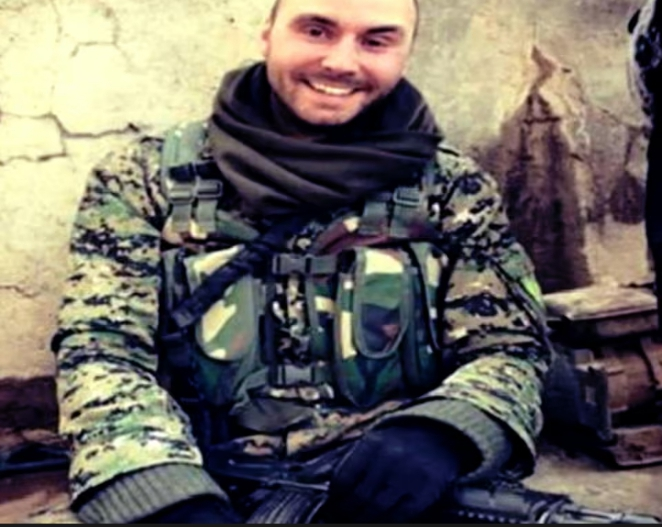
Ukrainian authorities have detained a British instructor accused of spying for Russia while allegedly plotting attacks against military personnel. The arrest highlights increasing tensions in Ukraine.
Investigators claim the suspect, Ross David Cutmore, passed intelligence to Russian operatives. Kyiv officials described the case as a serious breach of national security, involving espionage activities.
Cutmore, 40, from Dunfermline, reportedly worked with the British army in prior international deployments. His expertise later extended to training Ukrainian military and border units.
The Kyiv prosecutor’s office alleged that he provided coordinates of Ukrainian units and photographs of military facilities. This information could have been used for targeted attacks on personnel.
Authorities claim he conducted these activities between 2024 and 2025. Ukrainian officials stated that correspondence confirmed he carried out tasks benefiting Russia, compromising Ukrainian operational security and safety.
FSB operatives allegedly recruited him in Odesa, southern Ukraine, offering $6,000 for sensitive military details. Ukrainian media reports suggest this included both location intelligence and personnel identification.
Cutmore reportedly posted advertisements on pro-Russian online platforms, signaling availability for covert operations. Intelligence agencies say these online interactions facilitated contact with Russian handlers overseeing espionage assignments.
Ukraine’s internal security agency alleges he received instructions to prepare explosives and access weapons caches. These materials were allegedly intended for operations against Ukrainian figures.
Several Ukrainian activists and politicians were reportedly targeted during this period. Investigators suspect Cutmore supplied information or tools used in assassinations on Ukrainian territory, escalating the national security threat.
Since Russia’s full-scale invasion in 2022, foreign military veterans have joined Ukraine’s defense forces. Cutmore’s involvement as a British army veteran made him a particularly sensitive figure in intelligence assessments.
The arrest drew attention to online recruitment of foreign nationals by Russian intelligence. Ukrainian authorities warn that digital platforms may be exploited for espionage activities in conflict zones.
Diplomatic contacts have been established by the UK Foreign Office. A spokesperson confirmed consular assistance is being provided, emphasizing that the detained individual’s rights are being monitored.
Cutmore allegedly facilitated Russian surveillance by sharing images of military training areas. These detailed photos reportedly identified locations and movements of Ukrainian units, critical for operational planning.
The suspect’s previous deployment in the Middle East provided him experience in tactical operations. This expertise made him a valuable target for foreign intelligence seeking actionable intelligence.
Kyiv prosecutors say he was instructed to deliver explosives to specific coordinates. The alleged delivery points reportedly contained weapons caches accessible to Ukrainian and foreign military personnel.
Media outlets report that the suspect was involved in identifying prominent Ukrainian figures. These activities allegedly included gathering data for potential assassination plots, raising international concern about Russian espionage tactics.
The case illustrates risks posed by dual-use expertise in conflict zones. Military instructors can become conduits for sensitive intelligence, especially when recruited by hostile foreign services.
Russian intelligence, particularly the FSB, continues to employ coercion and inducements to recruit operatives abroad. Cutmore’s arrest underscores the ongoing espionage battle surrounding the Ukraine conflict.
Investigators are examining online activity linking Cutmore to pro-Russian social media networks. This digital trail reportedly helped Russian handlers coordinate his alleged espionage missions.
Officials highlight that the suspect passed detailed coordinates of units near Odesa. These locations were reportedly sensitive, raising concerns over potential Russian military strikes or sabotage attempts.
The Foreign Office emphasized that while providing consular support, the UK respects Ukrainian sovereignty in prosecuting espionage cases. Diplomatic channels remain active to ensure fair treatment of detained nationals.
Cutmore faces up to 12 years in prison if convicted of espionage and conspiracy to commit targeted killings. Ukrainian authorities described the charges as among the most severe.
Analysts say this arrest may deter other foreign veterans from offering training services in Ukraine. The case highlights risks in conflict zones where espionage operations intersect with military instruction.
Security experts warn that online forums are increasingly monitored by hostile intelligence services. Individuals advertising military expertise may become targets for recruitment into espionage activities.
Since 2022, thousands of international volunteers joined Ukraine’s armed forces. While many aim to support defense efforts, some may be vulnerable to manipulation by foreign intelligence networks.
Cutmore’s actions reportedly included providing photographs, maps, and coordinates of Ukrainian military infrastructure. These contributions, if verified, could have significantly aided Russia in planning offensive operations.
Kyiv prosecutors claim he communicated regularly with Russian agents. Analysis of his correspondence allegedly confirmed participation in multiple tasks benefiting Russia, constituting serious espionage violations.
The arrest raises questions about oversight of foreign military instructors in Ukraine. Authorities emphasize that security vetting and monitoring are crucial to prevent espionage exploitation in conflict zones.
Experts note that intelligence services often target individuals with prior military experience. Cutmore’s British army background made him highly appealing for covert recruitment and espionage operations.
Ukrainian officials say this is part of a broader pattern of foreign intelligence interference. Russia reportedly continues to seek inside information from international personnel in Ukraine.
The suspect was allegedly tasked with identifying high-value targets. This included military officers, politicians, and activists, whose elimination could have had strategic impacts on Ukrainian defense and morale.
Authorities stress that even experienced foreign veterans can be compromised. The case demonstrates the importance of operational security awareness and the risks posed by espionage in active conflict regions.
Cutmore’s online interactions reportedly provided Russian operatives with actionable intelligence. These exchanges demonstrate the growing use of digital platforms for coordinating espionage activities abroad.
The Foreign Office continues to monitor the case closely. While providing consular assistance, officials urge that international law and Ukrainian justice procedures guide the investigation and prosecution.
Security analysts suggest the arrest could signal increased counterintelligence efforts in Ukraine. Authorities are likely reviewing protocols for foreign instructors to prevent further infiltration by hostile intelligence.
Investigators are examining financial transactions linked to the suspect. Alleged payments from Russian operatives may provide evidence of incentives used to secure cooperation in espionage activities.
The case highlights a persistent threat posed by foreign nationals engaging in sensitive operations. Ukraine’s authorities remain vigilant against recruitment and infiltration efforts orchestrated by Russia.
Intelligence agencies stress that active vetting and monitoring of foreign instructors is essential. Cases like Cutmore’s emphasize the thin line between legitimate support and compromising national security.
Media reports suggest he may have provided tactical instructions for explosive device preparation. If confirmed, these activities constitute serious offenses under Ukrainian law, carrying long-term prison sentences.
The arrest has sparked debate over foreign involvement in Ukraine. While international support is vital, authorities caution against insufficient scrutiny, which could be exploited by hostile espionage networks.
Cutmore allegedly helped identify weapons storage locations for Russian agents. This highlights the potential operational impact of compromised foreign military personnel in ongoing conflict zones.
Officials indicate that his recruitment may have involved both financial incentives and ideological persuasion. Russian intelligence often combines these methods to secure cooperation from skilled operatives abroad.
The Kyiv prosecutor’s office remains actively investigating other individuals potentially linked to espionage. The case of the British instructor may reveal broader networks of foreign recruitment by hostile services.
Analysts emphasize the need for comprehensive security protocols for foreign military advisors. Unchecked access to sensitive locations can inadvertently support espionage, jeopardizing both local forces and international partners.
The arrest reinforces Ukraine’s commitment to counterintelligence. Officials are likely enhancing surveillance, monitoring, and vetting procedures for foreign nationals in military roles.
Cutmore’s case illustrates the dangers of dual-use expertise. Military skills meant for training can be repurposed for espionage, highlighting vulnerabilities in conflict-zone personnel management.
Diplomatic engagement continues between the UK and Ukraine. Both sides reportedly discuss ensuring legal fairness while protecting sensitive security interests amidst ongoing international tensions.
Experts suggest enhanced awareness programs for foreign instructors. Understanding the risks of espionage recruitment is critical to maintaining operational security in high-conflict areas like Ukraine.
The suspect allegedly maintained multiple communication channels with Russian intelligence. This operational method, involving digital platforms and encrypted messages, reflects modern espionage practices in conflict regions.
Kyiv officials emphasize that vigilance against foreign infiltration is critical. Lessons from this case may influence policies regarding foreign support personnel and national security frameworks.
Cutmore’s arrest marks a notable development in the Ukraine conflict. It underscores the intersection of military training, international volunteerism, and the persistent threat of espionage by hostile states.
Ukrainian authorities are reviewing broader security measures for foreign military personnel. The goal is to prevent similar cases while maintaining effective cooperation with international partners like the British army.
The case has drawn attention in international media. Analysts highlight the challenges of managing foreign volunteers while protecting sensitive intelligence and infrastructure in wartime conditions.
Officials note that digital communications and social media can be exploited by adversaries. This underscores the need for operational security awareness and counterintelligence vigilance in Ukraine.
Cutmore’s actions allegedly included surveillance, information transfer, and assistance in operational planning. Such activities exemplify the multifaceted nature of modern espionage in active conflict zones.
The Foreign Office continues to advocate for consular access and due process. Meanwhile, Ukrainian authorities pursue prosecution under laws addressing espionage, conspiracy, and national security violations.
Security analysts predict this case may lead to stricter monitoring of foreign military instructors. Lessons learned may influence how international personnel are integrated into sensitive military operations.
Cutmore allegedly coordinated movements, weapons access, and operational details for Russian agents. This combination of tactical and strategic assistance demonstrates a high level of involvement in espionage activities.
The arrest highlights risks inherent to conflict zones relying on foreign expertise. Effective vetting, monitoring, and counterintelligence are essential to mitigate the threat of compromised personnel.
Ukrainian authorities continue investigations into other potential collaborators. The broader network may involve additional foreign nationals or local operatives providing intelligence to Russia, reflecting ongoing espionage threats.
Diplomatic and intelligence efforts are focused on mitigating fallout. Coordination between Ukraine and the UK seeks to balance legal procedures with international security concerns regarding the British instructor.
The case underscores the evolving nature of espionage. Digital recruitment, financial incentives, and the targeting of skilled foreign personnel illustrate the modern landscape of intelligence operations in wartime.
Cutmore’s alleged espionage activities represent a serious breach of trust. His experience in the British army provided him with knowledge potentially exploitable by hostile intelligence services.
Authorities warn that online platforms can facilitate foreign recruitment. Awareness programs and security protocols are vital to prevent future exploitation of foreign military personnel in Ukraine.
The arrest serves as a warning to foreign volunteers. Expertise offered in conflict zones must be managed carefully to prevent unintentional or coerced involvement in espionage operations.
Kyiv officials confirm that investigations remain ongoing. The suspect’s cooperation, communications, and financial records are being analyzed to establish the extent of alleged espionage activities benefiting Russia.
This case illustrates the intersection of military assistance, international cooperation, and espionage. Vigilance, counterintelligence measures, and careful personnel management remain essential in safeguarding Ukraine’s security.