NATO foreign ministers convene in Brussels after Moscow talks fail as Russia rejects territorial compromise and Western allies weigh European security and Ukraine peace options.
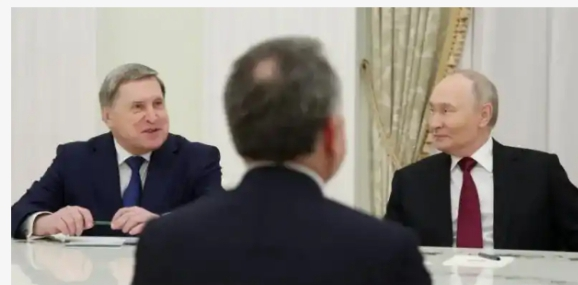
Yesterday, Moscow hosted high-level negotiations between US and Russian officials regarding the ongoing conflict in Ukraine. US envoy Steve Witkoff led the talks.
The aim was to discuss a proposed 28-point peace plan intended to end hostilities. Russia rejected proposed European and Ukrainian adjustments.
The Kremlin described the Moscow discussions as “constructive,” but no agreement emerged. Territorial disputes remain unresolved, continuing to stall meaningful progress in the war.
Russian President Vladimir Putin emphasized the non-negotiable nature of certain regions. He insisted that any European escalation would face immediate Russian readiness.
In response, NATO foreign ministers meet after Moscow talks fail to achieve breakthrough, convening today in Brussels to coordinate defense and diplomatic strategies for Ukraine.
The meeting agenda includes evaluating European security, discussing NATO’s potential role in peace frameworks, and preparing contingency measures in case Moscow escalates.
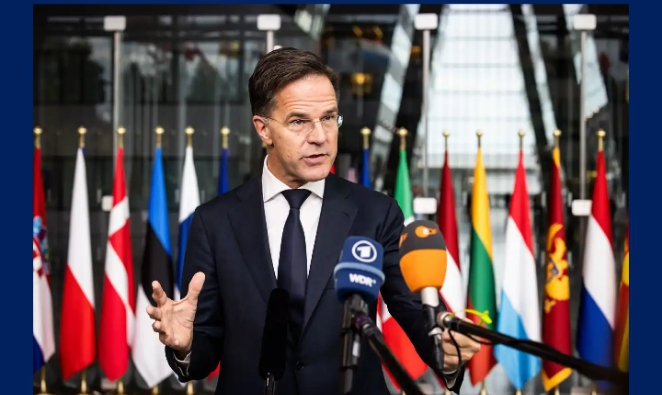
Secretary-General Mark Rutte stressed the need for alliance unity, balancing deterrence and diplomacy. NATO members must carefully consider risks in ongoing negotiations.
US envoy Steve Witkoff played a central role presenting the peace plan. His engagement highlights Washington’s critical influence in guiding the negotiations forward.
The 28-point framework is reportedly favorable to Russia. However, Putin’s rejection of adjustments proposed by Ukraine and European allies stalled discussions completely.
Putin warns Europe that military escalation risks immediate confrontation. Moscow maintains a firm stance on territorial control, leaving the prospect of compromise uncertain.
European security remains a priority. Ministers aim to ensure Ukraine’s sovereignty while addressing broader regional stability and safeguarding critical infrastructure across the continent.
Internal NATO divisions complicate decision-making. Some members advocate immediate action; others urge caution to avoid overextension or unintended conflict escalation.
Despite setbacks, diplomatic channels remain open. Observers note that further rounds of negotiation may offer opportunities for compromise and renewed engagement with Russia.
Humanitarian concerns heighten urgency. Civilians continue suffering, and energy, trade, and economic stability across Europe remain at risk from prolonged conflict.
NATO must coordinate both military readiness and diplomacy. Ministers aim to maintain deterrence while supporting ongoing Russia-Ukraine peace talks through multilateral engagement.
Putin warns Europe again of readiness to respond immediately. Moscow’s uncompromising position challenges NATO’s ability to negotiate effective security guarantees for Ukraine.
Energy security is critical. Ministers will assess vulnerabilities and plan contingencies to protect essential infrastructure from potential Russian pressure or coercion tactics.
The meeting may influence broader international engagement. UN agencies, global partners, and humanitarian organizations closely monitor NATO’s coordinated response to the conflict.
US envoy Steve Witkoff will continue to engage both Moscow and Kyiv. Washington’s mediation role remains pivotal to any potential diplomatic breakthrough.
Previous rounds of negotiations suggest multiple attempts are often necessary. Patience, tactical adjustments, and sustained international involvement are crucial for meaningful progress.
NATO foreign ministers meet after Moscow talks fail to achieve breakthrough, emphasizing both security reinforcement and maintaining open diplomatic channels with all parties.
Short-term planning focuses on defense posture, regional readiness, and ensuring alliance solidarity while deterring further Russian aggression in contested territories.
Long-term goals remain complex. A sustainable peace requires territorial compromise, security guarantees, and a unified approach from NATO and European allies.
European security will continue shaping NATO’s policy. Ministers must weigh ongoing war risks against strategic priorities and commitments to alliance cohesion.
Observers note the balance between diplomacy and deterrence will define NATO’s credibility. The alliance must show strength without undermining negotiation opportunities.
The Moscow talks’ failure highlights persistent trust deficits. Russia’s rigid position and Europe’s cautious approach challenge the prospects of an immediate agreement.
Humanitarian and economic pressures intensify. Sustained conflict risks destabilizing wider regions, increasing urgency for NATO to coordinate comprehensive, strategic solutions.
US envoy Steve Witkoff remains central in navigating these diplomatic challenges. His role will determine whether the peace plan gains traction in coming months.
Putin warns Europe that any misstep could escalate conflict. NATO must anticipate potential scenarios to prevent further instability in Ukraine and beyond.
Allies agree that peace requires multilateral coordination. NATO’s presence in Brussels symbolizes ongoing commitment to European security, conflict resolution, and regional stability.
The coming days are critical. Decisions made in Brussels may set the tone for future negotiations and shape the Russia-Ukraine peace talks’ trajectory.
NATO foreign ministers meet after Moscow talks fail to achieve breakthrough with responsibilities including reinforcing security, exploring diplomatic solutions, and planning contingency measures across the alliance.
While Moscow negotiations stalled, ongoing dialogue may still open opportunities for compromise if all parties adjust positions. Diplomacy remains possible, though challenging.
Internal alliance coordination is essential. NATO ministers must reconcile diverging views on timing, risk, and scope of engagement to strengthen collective European security.
The international community watches closely. The outcome may influence global perceptions of NATO’s effectiveness and the credibility of US envoy Steve Witkoff’s mediation efforts.
Ultimately, NATO foreign ministers meet after Moscow talks fail to achieve breakthrough, balancing deterrence, diplomacy, humanitarian considerations, and long-term security objectives in a high-stakes context.