The Trump administration has officially terminated the Obama-era greenhouse gas endangerment finding, a pivotal decision undermining decades of federal action aimed at controlling climate change.
This move instantly removes the legal foundation for nearly all U.S. climate regulations and weakens the federal government’s authority to regulate carbon dioxide and other greenhouse gases.
Officials framed the action as a historic deregulation effort intended to revive industries and reduce costs for consumers, particularly within the automotive sector.
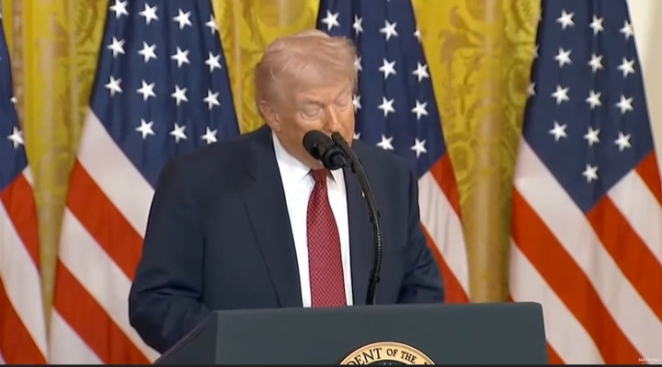
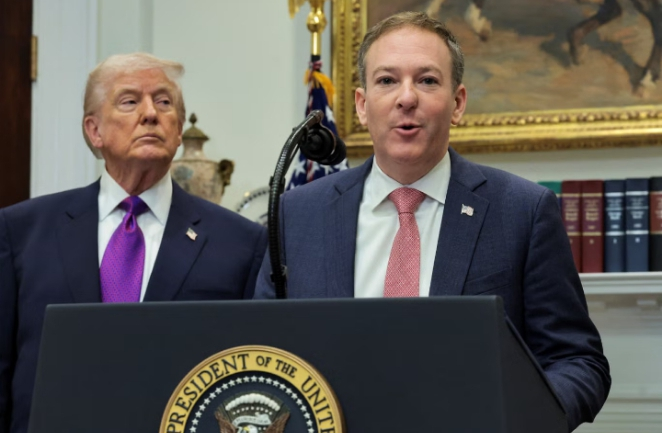
President Donald Trump announced the repeal alongside Environmental Protection Agency administrator Lee Zeldin, describing the endangerment finding as “a disastrous Obama era policy that severely damaged the American auto industry and massively drove up prices for American consumers.”
Trump insisted that eliminating the ruling would save over $1.3 trillion in regulatory costs and significantly reduce vehicle prices. “This determination had no basis in fact, had none whatsoever, and it had no basis in law,” he said, emphasizing fossil fuels’ role in global economic development.
The Obama-era greenhouse gas endangerment finding, first issued in 2009, had provided the EPA with legal authority to limit planet-heating emissions. It formed the backbone of U.S. climate regulations, covering vehicle pollution standards, industrial emissions, methane limits, and power plant rules.
By rescinding the finding, the administration has effectively curtailed the government’s ability to enforce EPA limits and monitor greenhouse gas pollution, opening the door for industries to bypass previously mandated environmental safeguards.
Zeldin hailed the action as “the single largest act of deregulation in the history of the United States of America,” arguing that the 2009 ruling was a costly regulatory overreach that hampered economic growth.
He accused the Obama and Biden administrations of using the endangerment finding to implement a “left-wing wish list of costly climate policies, electric vehicle mandates and other requirements that assaulted consumer choice and affordability.”
According to Zeldin, the repeal will relieve automakers of burdensome emissions reporting and allow a return to traditional fuel-based vehicles.
Critics, including environmental scientists and policy experts, have condemned the repeal as a direct threat to public health and environmental protections.
California Governor Gavin Newsom and Wisconsin Governor Tony Evers issued a joint statement, saying, “this action is unlawful, ignores basic science and denies reality.
We know greenhouse gases cause climate change and endanger our communities and our health.” Environmental groups warned that the removal of the legal foundation for U.S. climate regulations will intensify global warming impacts and compromise efforts to mitigate climate disasters.
New Jersey Representative Frank Pallone, the ranking Democrat on the House Energy and Commerce Committee, called the repeal “the direct result of having corrupt, dishonest grifters running the White House and EPA, whose only priority is lining the pockets of their wealthy corporate polluter friends.”
Pallone further emphasized the economic consequences, warning that unchecked greenhouse gas pollution would increase costs for food, energy, and housing while threatening property values, insurance rates, and employment stability.
The Environmental Defense Fund also criticized the administration’s action and vowed legal action. President Fred Krupp said, “This action will only lead to more of this pollution, and that will lead to higher costs and real harms for American families.”
Activists stressed that reversing the endangerment finding would hinder long-term climate goals and exacerbate environmental injustices, disproportionately affecting vulnerable communities already facing climate-related hazards.
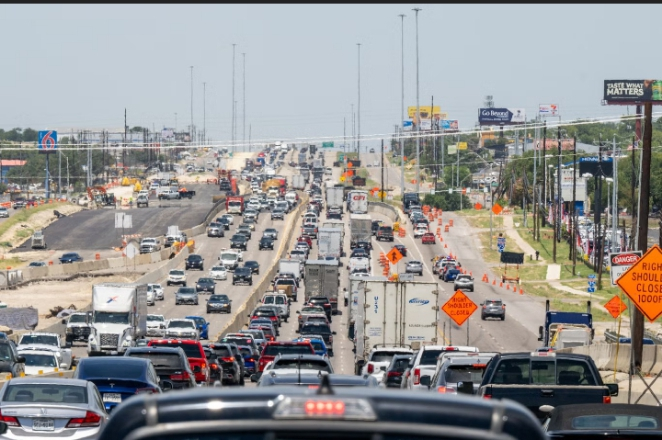
Experts note that the repeal will immediately allow automakers to produce vehicles with higher emissions, undoing progress made over the past 15 years in reducing tailpipe pollution.
Dr. Daniel Swain, a climate scientist at the California Institute for Water Resources, warned that federal legal challenges could delay implementation, but the ultimate consequence would be a significant reduction in the government’s ability to regulate greenhouse gas pollution nationwide.
“It essentially would halt all federal actions to regulate heat-trapping and climate change-causing greenhouse gases as a pollutant. That would mark a grim milestone, indeed,” Swain said.
The decision continues a broader trend of environmental rollbacks under the Trump administration. Last year, Zeldin announced the closure of the EPA’s Office of Research and Development, which provides scientific analysis for environmental policy and examines the dangers of climate change.
These measures reflect a consistent effort to weaken U.S. climate regulations and environmental protections while prioritizing fossil fuel development and corporate interests over public health and ecological stability.
Read also: UK pledges £540m weapons package for Ukraine as Russian drone strikes plunge cities into darkness
Environmental advocates argue that rescinding the endangerment finding undermines international climate commitments and damages the United States’ credibility in global negotiations.
By eliminating the legal basis for regulating greenhouse gases, the administration signals to other nations that economic interests will override environmental responsibility, potentially slowing worldwide progress on climate action.
Scientists emphasize that rising emissions, driven by unregulated industries, will worsen extreme weather, increase global temperatures, and threaten ecosystems.
Beyond immediate environmental concerns, the repeal also affects public health policy. The Obama-era finding had guided EPA actions to limit pollutants linked to respiratory illnesses, cardiovascular disease, and other health risks.
Reversing these protections may result in higher levels of air pollution, contributing to preventable diseases and increased healthcare costs.
Critics argue that economic gains touted by the administration are likely to be offset by these long-term health consequences, disproportionately affecting low-income and marginalized communities.
The White House and EPA have defended the repeal as a relief for American consumers and industries, arguing that it restores economic freedom and reduces unnecessary regulatory burdens.
Trump and Zeldin presented the move as a victory for industrial innovation, particularly within the automotive sector, where electric vehicle mandates had previously forced companies to shift production away from traditional combustion engines.
Proponents claim that rolling back greenhouse gas standards will allow U.S. manufacturers to compete more effectively globally and reduce costs for families.
Despite these arguments, environmental groups, scientists, and Democratic lawmakers have vowed to challenge the repeal in court, citing both legal and scientific deficiencies.
The outcome of these legal challenges could shape U.S. climate policy for years, determining whether the federal government retains the authority to regulate emissions and enforce environmental protections.
Advocates stress that the legal battles will be critical in ensuring that greenhouse gas pollution does not go unchecked, safeguarding both public health and climate resilience.
In conclusion, the termination of the Obama-era greenhouse gas endangerment finding represents a dramatic shift in U.S. climate policy.
While the Trump administration frames the move as a deregulation triumph with economic benefits, the decision raises profound concerns regarding environmental protections, public health, and the nation’s role in addressing global climate change.
Legal, scientific, and political debates are expected to continue, with significant implications for greenhouse gas pollution, EPA limits, and the future of U.S. climate regulations.
About The Author