Authorities in Japan have seized a Chinese fishing boat and arrested its captain after the vessel failed to comply with orders to stop for inspection.
This marks a significant escalation in ongoing maritime disputes between Tokyo and Beijing, highlighting tensions over fishing rights, territorial claims, and regional security concerns.
The incident took place approximately 170 kilometers southwest of Nagasaki, in waters Japan considers part of its exclusive economic zone, extending 200 nautical miles from its coast.
The Chinese vessel, carrying eleven crew members, was intercepted by a Japanese fisheries patrol vessel following reports of illegal fishing activity. The captain reportedly attempted to evade the inspection, prompting Japanese authorities to act decisively.
Japan’s fisheries agency confirmed that the boat appeared to be engaged in mackerel fishing, and the captain, aged 47, was taken into custody on suspicion of resisting an inspection by a Japanese official.
“The vessel’s captain was ordered to stop for inspection but failed to comply and fled,” a statement from the Japanese fisheries agency explained. “Consequently, the captain has been arrested in accordance with our enforcement regulations.”
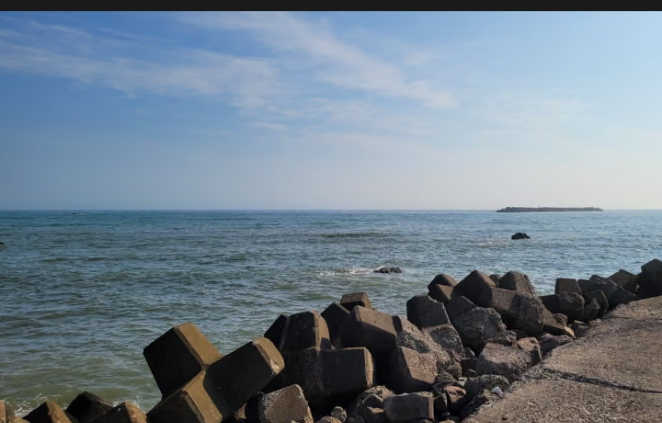
Officials emphasized that Japan will continue rigorous monitoring of foreign fishing vessels operating in its economic waters to prevent illegal activities.
Japan’s chief cabinet secretary, Minoru Kihara, underlined the country’s firm stance on protecting maritime resources. “We will continue resolute action to prevent illegal fishing operations by foreign vessels,” he said.
Authorities in Tokyo have emphasized that such enforcement actions are part of Japan’s broader commitment to safeguarding its economic and territorial rights under international law.
China’s foreign ministry has not issued an official response to the seizure, though tensions between the two countries are already high.
This incident comes just weeks after Japanese Prime Minister Sanae Takaichi made comments regarding the potential for Japan to become militarily involved in a conflict over Taiwan, prompting a strong reaction from Beijing.
Takaichi, who is known for her hawkish stance on China, said last November that Japan’s self-defense forces could intervene if a Chinese attempt to invade Taiwan created a “survival-threatening situation” for the country.
Her remarks have not been withdrawn, and Beijing has warned Chinese citizens against traveling to Japan as tourists or students in response, escalating diplomatic friction further.
The dispute also extends beyond politics, affecting symbolic gestures of goodwill. Earlier this year, Japan returned two giant pandas to China, ending a long-standing arrangement dating back to the 1972 normalization of diplomatic relations.
Observers note that the panda return reflects the cooling of relations amid rising security concerns and territorial tensions.
Fishing disputes have historically inflamed tensions between Japan and China.
In 2010, the arrest of a Chinese captain near the contested Senkaku Islands triggered a major diplomatic confrontation. The captain’s vessel had collided with a Japanese patrol boat, and though he was later released without charges, the event left a lasting impact on bilateral trust.
Tokyo has privately advised Japanese fishers to avoid the Senkaku Islands, which are administered by Japan but claimed by China as the Diaoyu Islands. These uninhabited islands are surrounded by rich fishing grounds, making them a frequent source of conflict.
Japan’s westernmost island, Yonaguni, lies just 110 kilometers from Taiwan, emphasizing how regional security concerns intersect with maritime and fishing disputes.
The situation is further complicated by the broader Taiwan issue. China considers Taiwan part of its territory and has not ruled out using force to achieve reunification.
Taiwanese President Lai Ching-te warned that if China succeeded in seizing Taiwan, it would likely target other countries in the region, including Japan and the Philippines, threatening regional stability and international security.
“The next countries under threat would be Japan, the Philippines, and others in the Indo-Pacific, with potential repercussions reaching the Americas and Europe,” Lai said in an interview with Agence France-Presse.
This statement underscores the far-reaching implications of Taiwan-related tensions for global security.
In response to Prime Minister Takaichi’s comments, Beijing conducted joint military exercises with Russia, including aerial drills that challenged Japanese aircraft in international waters.
Chinese jets from the Liaoning aircraft carrier reportedly locked radar onto Japanese planes, signaling Beijing’s growing assertiveness and willingness to project military power in the region.
Despite heightened tensions, Prime Minister Takaichi has indicated a willingness to engage in dialogue with Beijing, framing Japan’s approach as open but firm. She also emphasized that her government’s policies remain guided by the principle of national security and the protection of maritime sovereignty.
China’s foreign ministry, however, has insisted that any talks require Japan to retract Takaichi’s remarks on Taiwan. Ministry spokesperson Lin Jian stated, “If Japan truly wants to develop a strategic and mutually beneficial relationship with China, it is very easy and clear: withdraw Takaichi’s erroneous remarks about Taiwan.”
The message underscores Beijing’s sensitivity to perceived provocations regarding Taiwan.
This latest maritime incident highlights the continuing volatility of Sino-Japanese relations. It demonstrates how fishing disputes, territorial claims, and political rhetoric are intertwined, raising the risk of unintended escalations.
Analysts suggest that Japan’s strict enforcement of its economic waters sends a clear signal to neighboring countries regarding its commitment to sovereignty and maritime law.
Observers note that the timing of the seizure is particularly sensitive given the broader context of East Asian security. The region faces growing challenges, including military modernization in China, the strategic importance of Taiwan, and ongoing territorial disputes across the East China Sea.
Read also:Kim Jong-un daughter future North Korean leader signals fourth-generation dynasty shift
Japan’s actions may serve as both a deterrent and a demonstration of its readiness to defend national interests.
The arrested Chinese captain remains in Japanese custody, and investigations into the vessel’s fishing activity are ongoing.
Japan has stressed that enforcement actions are not intended to provoke diplomatic incidents but are necessary for protecting its economic and territorial rights.
As the situation develops, international attention remains focused on the East China Sea and Taiwan Strait, where overlapping claims, military posturing, and economic interests converge.
Analysts warn that continued confrontations over fishing rights could easily escalate into broader disputes if not managed through diplomatic channels.
Japan’s enforcement measures and China’s responses illustrate the delicate balance between asserting sovereignty and maintaining regional stability. With both nations emphasizing their positions, observers suggest that careful dialogue and adherence to international law will be critical in preventing further escalation.
The incident also underscores the broader geopolitical tension in the Indo-Pacific, where resource management, territorial claims, and national security concerns intersect.
Japan’s actions reflect a broader strategy to secure maritime rights while signaling strength to both domestic and international audiences.
While Japan seeks to protect its exclusive economic zone, it must navigate a complex web of historical grievances, regional rivalries, and international legal frameworks.
The seizure of the Chinese fishing vessel represents a flashpoint, demonstrating the ongoing challenges of maritime governance and diplomacy in contested waters.
In the coming weeks, diplomatic engagement, military monitoring, and fisheries enforcement will likely continue to shape Japan-China relations. The balance between confrontation and dialogue will determine whether incidents such as the fishing boat seizure lead to escalation or cautious resolution.
About The Author