The High Court has declared the Palestine Action terror ban unlawful, dealing a significant legal setback to the government while highlighting the delicate balance between security laws and freedom of expression.
Palestine Action, a protest group campaigning against military and corporate involvement in Palestine, had been proscribed under terrorism legislation, a move the High Court found to be disproportionate.
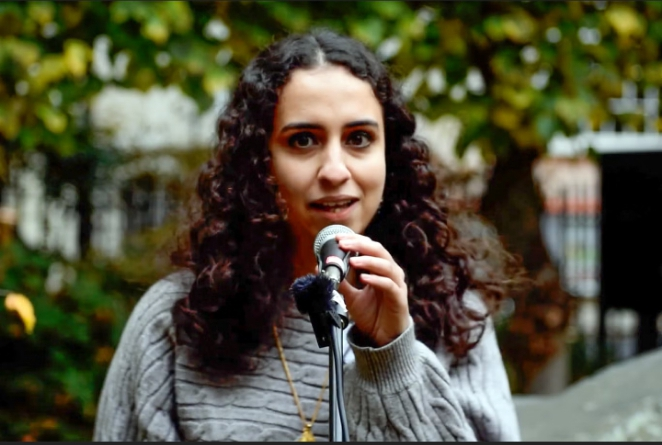
Huda Ammori, co-founder of Palestine Action, challenged the Home Office’s decision in court, arguing that the ban severely restricted civil liberties and infringed on rights guaranteed under law.
The legal battle began after the Home Office decided last July to list Palestine Action as a terrorist organization following acts of civil disobedience, including the break-in of a military base and minor property damage.
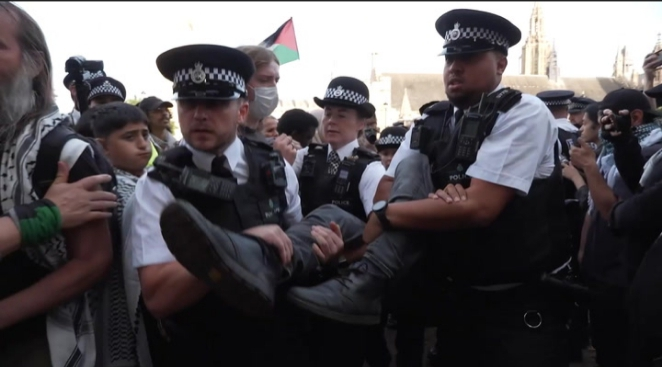
Since the proscription, thousands of supporters and demonstrators have faced arrests merely for holding placards in solidarity with the group.
Hundreds of trials related to these protests are ongoing or expected, though the High Court’s recent judgment threatens to overturn many proceedings.
Justice Victoria Sharp emphasized that “the proscription of Palestine Action did result in a very significant interference with the right to freedom of speech and the right to freedom of assembly,” underscoring the tension between anti-terrorism laws and democratic rights.
The court’s ruling underlined that while some activities undertaken by Palestine Action could be considered unlawful, they do not constitute terrorism on a scale that justifies proscription.
Justice Sharp noted, “Only a very small number of Palestine Action’s activities amounted to terrorism. The group’s acts had not yet reached the level, scale, and persistence to warrant proscription.”
This distinction is critical, as it challenges the precedent of using anti-terrorism legislation to suppress politically motivated protests and signals that government powers may have been overextended in this case.
Huda Ammori expressed relief at the ruling, calling the Home Office’s original decision “dramatic, severe, widespread, and potentially lifelong in impact.” She added that the proscription was an unprecedented move against a protest group that, in her view, does not advocate for violence.
Ammori’s legal team emphasized that instances of serious property damage were isolated and do not represent the group’s overall activism, which is largely non-violent.
“The effect of this ban on ordinary citizens participating in peaceful protest has been profound,” her lawyers argued, highlighting how the measure impacted freedom of assembly and civil engagement.
Human rights organizations have widely condemned the Home Office’s proscription of Palestine Action as a misuse of state authority.
Amnesty International described the move as “a grave abuse of power,” while the UN High Commissioner for Human Rights, Volker Turk, called it “disproportionate and unnecessary.”
Critics argue that the ban could set a dangerous precedent for targeting political activism under the guise of counter-terrorism, potentially stifling democratic freedoms across the country.
The case has become emblematic of broader debates around government overreach, freedom of expression, and the limits of anti-terror legislation.
While the High Court found the ban unlawful, it remains in place temporarily until further hearings can determine whether it should be lifted. Dame Victoria Sharp, Mr Justice Swift, and Mrs Justice Steyn confirmed that the Home Office and Ms Ammori’s legal representatives must submit additional arguments by February 20 to assist the court in making a final decision.
These hearings are expected to scrutinize both the legal and societal implications of proscribing protest groups under terrorism laws, with implications reaching far beyond the immediate case of Palestine Action.
The proscription initially drew attention after activists entered a Royal Air Force base and caused minor damage to two military aircraft.
While these actions triggered the Home Office’s response, the High Court highlighted that isolated acts of vandalism do not equate to sustained terrorism capable of justifying such sweeping legal measures.
The judgment suggests that the government must apply a more measured approach when invoking anti-terror laws against civil society organizations, particularly those engaged in political protest.
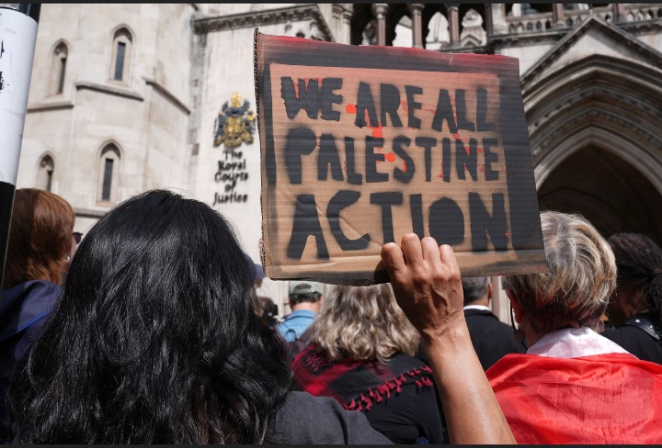
Protesters have gathered outside the Royal Courts of Justice in London throughout the legal proceedings, emphasizing the public’s concern over civil liberties.
Demonstrators carried placards and banners asserting the right to peaceful protest and criticized the Home Office’s attempts to classify activism as terrorism.
“This is about our democratic rights, not just one group,” one demonstrator told reporters. The high-profile nature of the case has sparked nationwide debate over how far authorities should go in restricting freedom of speech in the name of security.
The case also raises questions about accountability and oversight within government departments. Critics have questioned the Home Office’s decision-making process, pointing out that the proscription appeared to bypass standard safeguards designed to prevent overreach.
Legal analysts note that this case may encourage stricter judicial review of future government decisions involving terrorism laws, particularly when civil liberties are at stake. “Courts are increasingly scrutinizing executive power, and this judgment is a clear message that rights cannot be curtailed lightly,” said a legal commentator.
Palestine Action’s campaign focuses on raising awareness of military contracts and corporate involvement in conflict zones, particularly in Palestine.
Their actions, while disruptive, are intended to draw public attention rather than inflict harm. According to Ammori, the group has consistently advocated non-violent civil disobedience as a form of political expression.
The High Court’s ruling may therefore serve to protect other grassroots movements from being unfairly targeted under the guise of national security concerns.
The impact of the proscription has already been significant, with arrests and pending trials affecting numerous individuals who took part in demonstrations supporting Palestine Action.
Many of these cases may now be challenged or dismissed, potentially reshaping the legal landscape for protest-related offenses.
“Thousands of ordinary people have faced legal jeopardy for expressing political opinions. This ruling acknowledges that the law cannot be weaponized against legitimate protest,” said a human rights lawyer involved in the case.
Looking ahead, further legal hearings will determine whether the ban on Palestine Action is permanently lifted or modified.
The case is expected to have lasting consequences for how the UK balances security concerns with civil liberties, particularly in an era of heightened political tension and activism.
Observers suggest that the ruling may inspire other groups challenging disproportionate restrictions, reinforcing the importance of judicial oversight in maintaining democratic norms.
The High Court’s declaration that the Palestine Action terror ban is unlawful underscores the ongoing tension between government security measures and the protection of fundamental rights.
Huda Ammori’s legal challenge highlights the importance of scrutinizing how anti-terror legislation is applied, ensuring that activism and peaceful protest are not unduly criminalized.
As the case continues to unfold, it will serve as a critical benchmark for the limits of government power and the safeguarding of freedom of expression in the UK.
Read also: Bangladesh election BNP victory signals democratic reset after years of political turmoil
About The Author