The Munich Security Conference opened this year with a stark warning about the limits of unilateral action by the United States, emphasizing the need for robust alliances in an era of great power rivalry.
German Chancellor Friedrich Merz told attendees that even a global superpower cannot sustain leadership alone, underscoring the central role of cooperation in ensuring global security.
The gathering brought together leaders from Europe, the US, and beyond to debate defense, diplomacy, and the evolving challenges posed by rival powers.
During his address, Merz highlighted the importance of building a stronger, more self-reliant European security architecture while remaining a reliable partner to the United States.
He revealed initial discussions with French President Emmanuel Macron about integrating a European nuclear umbrella into NATO’s framework. “Europe must secure its future while contributing to transatlantic stability,” Merz said, emphasizing that the alliance benefits from a capable, self-sustaining European pillar.
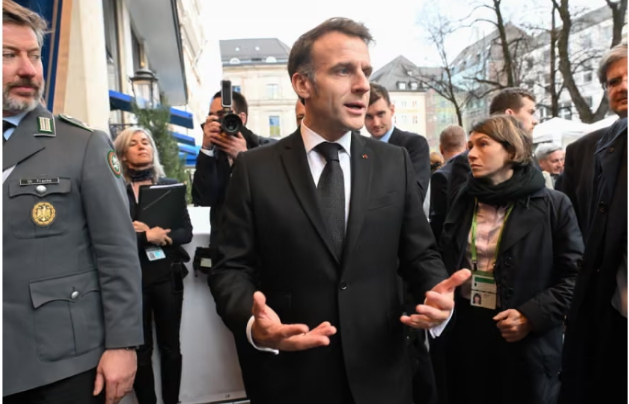
The Munich Security Conference also served as a forum to assess the erosion of the rules-based international order. Merz warned that the framework which has guided global cooperation is no longer guaranteed.
“This order, however imperfect it was, no longer exists in its previous form,” he said, noting that Europe must take responsibility for its security while maintaining strong ties with the US. His remarks reinforced concerns that unilateral actions by Washington could undermine decades of multilateral agreements.
Critiques of US unilateralism were a recurring theme. Merz addressed policies emphasizing tariffs and protectionism, warning they threaten cooperation and global stability.
He stressed that freedom of speech must be balanced with human dignity and the law, an apparent response to recent US rhetoric and threats involving allied territories.
European leaders at the conference recognized that these actions highlighted the necessity for Europe to strengthen its own defense and strategic capabilities.
A key discussion at the Munich Security Conference focused on strategic autonomy.
Merz pointed out that Europe’s reliance on the US has limits in a world where rival powers exploit resources, technology, and supply chains for geopolitical advantage.
Germany’s defense spending increases and leadership initiatives demonstrate its commitment to ensuring Europe can respond effectively to global crises without over-reliance on external actors. This message resonated with other European delegates seeking a balance between alliance obligations and independent capabilities.
French President Emmanuel Macron reinforced these priorities, advocating for Europe to play an active role in negotiating arms control and security agreements with Russia.
He highlighted the shortcomings of past treaties negotiated solely by the United States, including the now-defunct INF Treaty.
Macron argued that Europe must be taken seriously as a geopolitical power and stressed the need for a transparent channel of communication with Russia. He proposed a coordinated European nuclear deterrent integrated into NATO to maintain equitable security across the continent.
Merz elaborated on the broader security environment, noting that the Ukraine war had reminded Europe of the realities of global power politics.
“Together we have entered an era once again marked by big-power rivalry,” he said, describing a world where rapid and unpredictable actions by major powers require a strong, coordinated response.
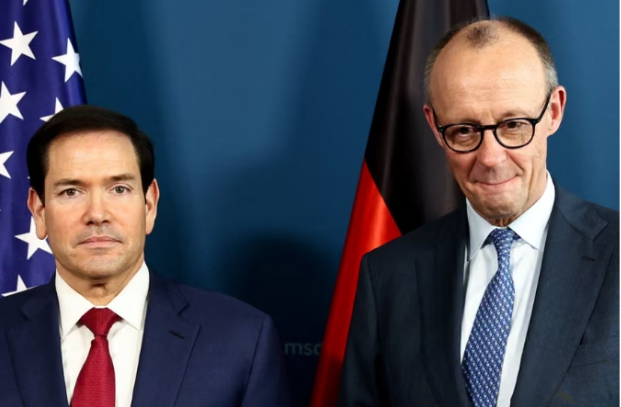
The Munich Security Conference highlighted these challenges, urging European nations to enhance military, technological, and political readiness to safeguard sovereignty and democratic freedoms.
Audience reactions at the conference reflected growing unease with unilateral policies. Merz contrasted autocracies, which may act alone, with democracies that rely on alliances and partnerships.
“Autocracies may have followers, democracies have partners and allies,” he said, framing cooperation as a strategic advantage. His remarks emphasized that Europe cannot afford to be passive and must actively engage in shaping global security while working closely with allies.
The conference also explored practical steps for Europe to strengthen its security architecture. Boosting defense capabilities, investing in new technologies, and consolidating political will were identified as essential measures for building a self-sustaining European pillar within NATO. These steps, Merz argued, do not diminish the US role but enhance transatlantic cooperation by providing the alliance with a stronger European partner.
The Munich Security Conference reinforced that collective action remains critical in confronting contemporary security threats.
Historically, the Munich Security Conference has been a platform for high-stakes diplomacy. Last year, US Vice President JD Vance criticized Europe’s defense policies and questioned its commitment to shared security.
This year, the focus shifted toward partnership and proactive engagement. Merz’s message emphasized that Europe is prepared to assume greater responsibility for its own security while continuing to work within NATO.
The conference thus served both as a critique of unilateralism and as a blueprint for renewed transatlantic collaboration.
Economic power and technology were also central topics at the Munich Security Conference.
Merz argued that Europe must leverage its economic and technological strengths alongside military capabilities to shape global outcomes effectively.
Coordinated action with the United States enhances the impact of sanctions, trade policies, and diplomatic initiatives. By combining resources and strategies, Europe and the US can address the challenges posed by aggressive states and shifting international power dynamics.
Transatlantic partnership was repeatedly emphasized as the cornerstone of global stability. The Munich Security Conference illustrated that while Europe seeks strategic autonomy, its security and prosperity remain intertwined with the US and other democratic allies.
By advocating for a stronger European security pillar, leaders signaled that Europe can act independently when necessary while contributing meaningfully to NATO and shared defense responsibilities.
Merz concluded his remarks by stressing that Europe must fully exploit its military, economic, and technological potential to protect freedom and sovereignty.
“In the era of great power rivalry, even the United States will not be powerful enough to go it alone,” he said. His words served both as a warning and a call to action, urging democratic nations to strengthen alliances, assert independence, and collaborate on solutions to global security challenges.
The Munich Security Conference ultimately highlighted the need for balance: Europe must reduce overdependence on external powers, develop self-reliant capabilities, and foster deeper cooperation within NATO.
By emphasizing partnership rather than unilateral action, the conference reinforced the principle that shared responsibility is essential in addressing modern security threats. European leaders left with a renewed sense of purpose, committed to building a stronger, more resilient transatlantic alliance.
The event also illustrated that global security is no longer dictated by a single power. Rival states continue to exploit resources, technology, and supply chains to advance their interests.
The Munich Security Conference underscored the urgency for democratic nations to coordinate policies, share intelligence, and invest in defense and economic tools to maintain strategic advantage.
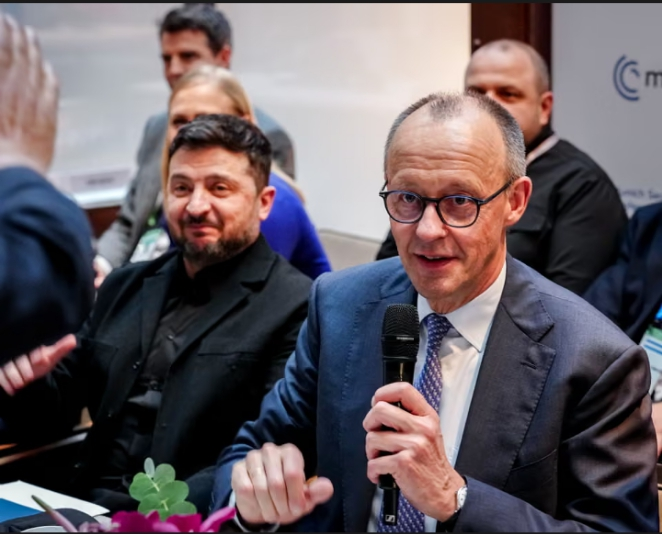
This collective approach ensures that Europe and the United States can respond effectively to threats without overextending individual capabilities.
In sum, the Munich Security Conference reaffirmed that global challenges require partnership, coordination, and shared leadership. By framing Europe’s role in security and emphasizing transatlantic cooperation, the conference set the tone for future diplomatic and defense strategies.
It demonstrated that even the world’s most powerful nations cannot act alone and that enduring stability depends on alliances built on trust, capability, and shared commitment to democratic values.
Read also:Sudan warns against foreign interference as RSF conflict escalates
About The Author