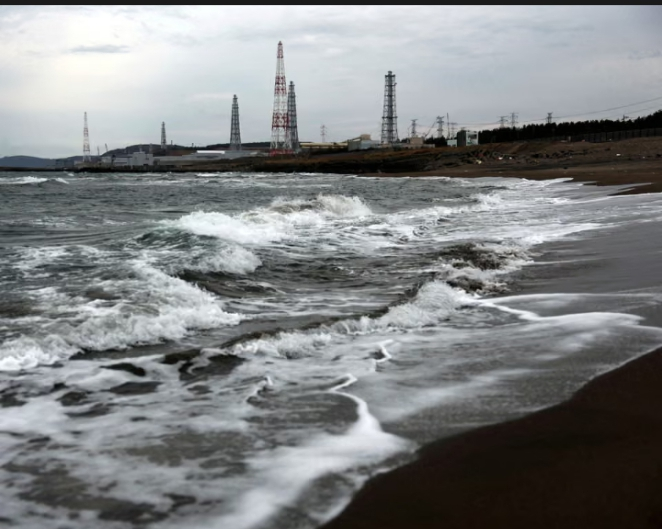
Japan nuclear plant pause has once again placed the country’s energy strategy under scrutiny after operations at the Kashiwazaki-Kariwa facility were suspended just one day after restart.
The unexpected halt occurred at the world’s largest nuclear power plant by capacity, intensifying debate over safety readiness, regulatory oversight, and public trust in nuclear energy.
Japan nuclear plant pause follows an alarm triggered during startup procedures at the Niigata-based facility, prompting Tokyo Electric Power Company to immediately suspend reactor operations.
Tepco officials confirmed that the issue emerged shortly after the reactor went online, marking the first restart of the plant in nearly fourteen years.
The Kashiwazaki-Kariwa nuclear plant had remained idle since Japan shut down most reactors following the 2011 Fukushima disaster, one of the world’s worst nuclear accidents.
According to Tepco, the alarm originated from the reactor monitoring system, though the precise cause remains unidentified as investigations continue.
“We don’t expect this to be solved within a day or two,” said site superintendent Takeyuki Inagaki during a press conference addressing the Japan nuclear plant pause.
Inagaki added that engineers are focusing on determining the source of the malfunction before any timeline for resuming operations can be considered.
A Tepco spokesperson emphasized that the reactor remains stable, with control rods reinserted in a planned and controlled manner to halt nuclear reactions safely.
“There is no radioactive impact outside the facility,” spokesperson Takashi Kobayashi told reporters, seeking to reassure local residents and regulators.
Control rods play a crucial role in nuclear reactors, absorbing neutrons to regulate or completely stop the nuclear chain reaction when necessary.
Despite restarting only one of seven reactors, Kashiwazaki-Kariwa remains symbolically significant as Japan’s largest nuclear facility and a cornerstone of future energy planning.
The Japan nuclear plant pause comes as Tokyo pushes to revive atomic energy to reduce fossil fuel dependence and meet carbon neutrality targets by 2050.
Japan’s government has argued that nuclear power is essential to ensuring stable electricity supplies as energy demand rises from data centers and artificial intelligence technologies.
However, the sudden suspension underscores persistent technical, regulatory, and societal challenges associated with restarting aging nuclear infrastructure.
Kashiwazaki-Kariwa is operated by Tepco, the same company responsible for the Fukushima Daiichi plant, which is still undergoing a long and complex decommissioning process.
This connection continues to shape public perception, particularly in Niigata prefecture, where memories of Fukushima remain deeply ingrained.
A local survey conducted in September revealed that around sixty percent of residents oppose restarting the plant, while just over a third support it.
Opponents argue that safety assurances remain insufficient, especially given the plant’s location near active seismic fault lines.
Earlier this month, seven civic groups submitted a petition signed by nearly forty thousand people calling for a permanent halt to the restart process.
The petition cited seismic risks and recalled that the facility was damaged during a powerful earthquake in 2007, raising concerns about structural resilience.
Japan nuclear plant pause has also drawn attention from national regulators, who granted final approval for the restart after years of inspections and upgrades.
The Nuclear Regulation Authority has maintained that Kashiwazaki-Kariwa meets current safety standards, including enhanced protections against earthquakes and power failures.
Still, critics argue that regulatory approval does not eliminate operational risks, particularly during complex startup procedures following long dormancy.
The Japan nuclear restart process is widely viewed as a test case for the broader revival of atomic energy across the country.
If Kashiwazaki-Kariwa cannot sustain stable operations, analysts warn it could undermine confidence in restarting other reactors nationwide.
Energy experts note that prolonged shutdowns can increase the likelihood of technical issues when facilities resume operations after extended inactivity.
Japan nuclear plant pause may also affect energy markets, as utilities balance nuclear output against rising imports of liquefied natural gas and coal.
Japan remains resource-poor and heavily reliant on imported fuels, making domestic nuclear generation an attractive option for energy security.
However, each setback reinforces public skepticism and complicates government messaging around the safety and necessity of nuclear power.
Environmental groups argue that investment should instead prioritize renewable energy sources, including solar, wind, and geothermal technologies.
They contend that nuclear restarts divert resources from cleaner, less risky alternatives while prolonging dependence on centralized energy systems.
Supporters of nuclear energy counter that renewables alone cannot meet Japan’s baseload power requirements or ensure grid stability.
The Japan nuclear plant pause highlights the delicate balance policymakers must strike between climate goals, energy security, and public confidence.
International observers are also watching closely, as Japan’s nuclear policy influences energy strategies across Asia and beyond.
Several countries considering nuclear expansion view Japan’s experience as a cautionary example of the long-term consequences of nuclear accidents.
Within Japan, the pause has reignited media debate over whether lessons from Fukushima have been fully absorbed at both corporate and governmental levels.
Tepco has repeatedly stated that corporate governance reforms and safety culture improvements have been implemented since 2011.
Yet critics remain unconvinced, pointing to past failures in transparency and crisis management that exacerbated the Fukushima disaster.
Japan nuclear plant pause therefore carries symbolic weight, extending beyond technical concerns to broader issues of trust and accountability.
For residents living near Kashiwazaki-Kariwa, uncertainty persists as officials offer no clear timeline for resolving the current problem.
Read also: Sinners 16 Oscar nominations make history at Academy Awards
Local leaders have called for clear communication and independent verification of safety assessments before any further restart attempts.
As investigations continue, the facility remains offline, and Japan’s ambitious nuclear revival faces another moment of hesitation.
Whether the pause proves temporary or indicative of deeper challenges may shape the future of nuclear energy in Japan for years to come.