

The Israel Hezbollah ceasefire crisis has intensified after Israel firmly rejected any ceasefire discussions with Hezbollah, even as deadly air strikes hit southern Lebanon and diplomatic talks loom in Washington D.C. The development highlights a growing disconnect between military escalation and diplomatic efforts across the region.
Israeli officials confirmed that while negotiations with Lebanon will proceed, Hezbollah will remain excluded. This stance is already deepening regional tensions and complicating fragile diplomacy tied to Iran and the United States, both central to ongoing ceasefire efforts.
Escalation on the Ground: Strikes, Deaths and a Message
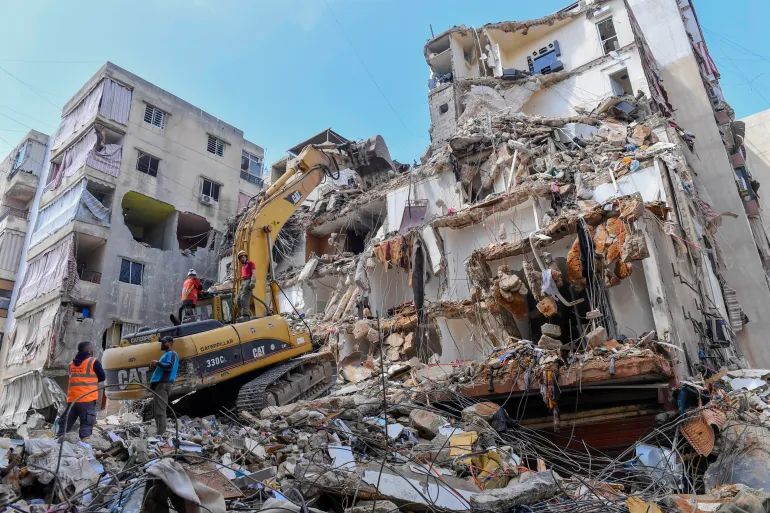
At least 10 people, including emergency responders, were killed in fresh Israeli strikes across southern Lebanon, according to Lebanese authorities. Residential buildings were destroyed in areas such as Nabatieh, worsening an already severe humanitarian situation.
Israel’s ambassador to the United States, Yechiel Leiter, stated that “Israel agreed to begin formal peace negotiations” but ruled out any ceasefire discussions with Hezbollah, describing the group as “the main obstacle to peace.”
Why Israel Is Refusing a Ceasefire
Israel’s refusal reflects a calculated strategic position. Officials believe continued military operations are necessary to weaken Hezbollah’s capabilities and reduce threats along its northern border.
There is also concern within Israeli leadership about granting Hezbollah any form of political legitimacy through negotiations. Such a move could strengthen the group’s standing within Lebanon and reinforce Iran’s regional influence.
Lebanon’s Internal Crisis: A State Under Pressure
The situation has exposed deep divisions within Lebanon. Hezbollah continues to wield significant political and military power, limiting the government’s ability to act independently.
Hezbollah-affiliated lawmaker Hassan Fadlallah criticised the talks, calling them “a blatant violation of the constitution” and warning they could deepen internal divisions.
Lebanon remains caught between external military pressure and internal political fragility, raising doubts about its ability to enforce any potential agreements.
The Bigger Picture: Iran, the US and a Regional War
The Israel Hezbollah ceasefire crisis is closely tied to the broader confrontation involving Iran and the United States. Hezbollah’s alignment with Tehran makes the Lebanon front a key part of the wider regional conflict.
Iran has insisted that any meaningful ceasefire must include Lebanon. Iranian parliament speaker Mohammad Bagher Ghalibaf stated that negotiations cannot progress without addressing the situation there.
Meanwhile, Donald Trump has urged Israeli Prime Minister Benjamin Netanyahu to scale back attacks, warning they could undermine diplomatic efforts.
Strategic Stakes: Why This Crisis Matters Globally
This crisis carries global implications, particularly for energy markets. Iran’s posture around the Strait of Hormuz continues to threaten global oil supply routes, increasing economic uncertainty.
The risk of a broader regional war also remains high, especially if hostilities expand or additional actors become involved.
Human Cost: The Untold Stories
Civilians in southern Lebanon continue to bear the brunt of the conflict. Displacement is rising, and emergency workers face dangerous conditions as they attempt rescue operations.
One responder described the situation, saying they are “pulling people from rubble with bare hands,” highlighting the scale of devastation on the ground.
Read also: Artemis II astronauts return safely after historic NASA Moon mission splashdown
Alternative View on Ceasefire Negotiations
A Different Diplomatic Perspective on Inclusion
Another school of thought argues that Israel’s refusal to engage Hezbollah in ceasefire talks could prove counterproductive, as excluding a central actor from negotiations may prolong rather than resolve the conflict. Analysts in this camp contend that durable peace in Lebanon has historically required indirect or backchannel engagement with all influential forces, including non-state actors.
They warn that sidelining Hezbollah risks creating agreements that lack enforcement on the ground, potentially leading to recurring cycles of violence even if temporary diplomatic progress is achieved.
What to Expect from the Washington Talks
The upcoming talks are expected to focus on de-escalation and long-term stability. However, the exclusion of Hezbollah raises questions about how effective any agreement can be.
Without involving all key actors, negotiations risk failing to produce lasting peace, leaving underlying tensions unresolved.
Final Thought
As diplomacy struggles to keep pace with events on the ground, one question continues to shape the crisis:
Can meaningful peace emerge when a key player like Hezbollah is excluded from the negotiating table?
About The Author
