

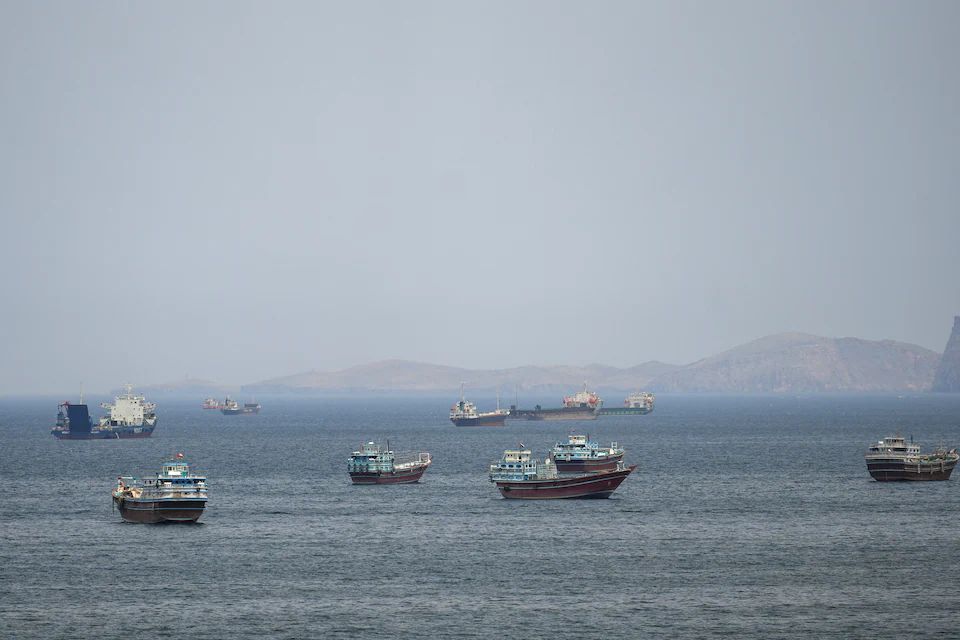
Iran seizes ships in Strait of Hormuz as ceasefire extension fuels tensions and rattles global oil markets, signalling a dangerous turning point in the ongoing standoff between Tehran and Washington with global implications.
The seizure of vessels marks a sharp escalation in maritime confrontation, reinforcing fears that the fragile pause in hostilities may be collapsing despite diplomatic efforts to sustain dialogue between both sides.
According to Reuters, Iran’s Revolutionary Guards seized two vessels for alleged maritime violations, tightening control over one of the world’s most critical shipping routes amid rising geopolitical uncertainty.
The development comes after U.S. President Donald Trump extended the ceasefire without a clear timeline, a move that has created ambiguity rather than stability in an already volatile Middle East conflict.
Iranian officials reacted strongly, with senior negotiator Mohammad Baqer Qalibaf stating that reopening the Strait of Hormuz was impossible under what he described as a “flagrant breach of the ceasefire.”
Reuters quoted Qalibaf as saying, “You did not achieve your goals through military aggression and you will not achieve them by bullying either,” underscoring Tehran’s hardened stance in ongoing negotiations.
Rising tensions in a critical global oil artery
The Strait of Hormuz remains a strategic chokepoint through which nearly a fifth of global oil supply passes, making any disruption a direct threat to global energy stability and economic balance.
By targeting commercial vessels, Iran has effectively demonstrated its capacity to influence global oil markets, sending shockwaves across financial systems already strained by war-related uncertainties.
Oil prices responded swiftly, with Reuters reporting that Brent crude surged close to 4%, reflecting investor anxiety over prolonged disruption and the risk of a deepening global energy crisis.
The seizures also highlight a broader pattern of maritime assertiveness, as Iran seeks leverage in negotiations involving sanctions relief, nuclear policy, and regional security guarantees.
A Reuters report noted that the vessels, identified as MSC Francesca and Epaminondas, were accused of “operating without required permits and tampering with navigation systems,” claims yet to be independently verified.
Despite Iran’s justification, the incidents are widely seen as strategic signaling, reinforcing its dominance over the waterway while pressuring Western powers to reconsider their military and economic posture.
Diplomatic uncertainty and stalled negotiations
The ceasefire extension, intended as a window for renewed diplomacy, has instead exposed deep divisions between the United States and Iran over core issues including sanctions, nuclear enrichment, and territorial control.
Pakistan’s mediation efforts, once seen as a promising pathway to dialogue, have encountered setbacks, with both sides failing to attend scheduled talks despite initial optimism.
A Pakistani official told Reuters, “We were all prepared for the talks, the stage was set,” adding that the failure to convene was “a setback we were not expecting.”
This breakdown in engagement underscores the fragile nature of diplomatic efforts, where mistrust and conflicting demands continue to overshadow opportunities for resolution.
Iran insists that any meaningful agreement must include the lifting of sanctions and recognition of its strategic interests, while Washington remains focused on limiting Tehran’s nuclear capabilities.
The lack of a clear framework for negotiations has created a vacuum filled by military posturing and economic brinkmanship, increasing the risk of unintended escalation.
Broader implications for the Middle East conflict
The maritime incidents are not isolated events but part of a wider pattern of instability across the region, including ongoing tensions involving Israel, Lebanon, and Iran-backed groups.
Recent reports of cross-border strikes and retaliatory actions further complicate the security landscape, raising concerns about a multi-front escalation that could engulf the broader Middle East.
The linkage between the Strait of Hormuz tensions and regional conflicts highlights the interconnected nature of geopolitical risks, where developments in one area can rapidly influence others.
Global powers are closely monitoring the situation, aware that any sustained disruption could trigger cascading effects on trade, energy supply, and international security.
The United Nations has previously warned that attacks on civilian infrastructure could constitute serious violations of international law, adding another layer of complexity to the crisis.
Meanwhile, Iran’s display of ballistic missiles during a military parade in Tehran serves as a reminder of its ռազմական capabilities and willingness to project strength amid external pressure.
Economic fallout and global energy crisis concerns
The impact of the crisis extends far beyond the Middle East, with global markets reacting to the uncertainty surrounding oil supply and shipping stability.
Energy analysts warn that prolonged disruption in the Strait of Hormuz could lead to sustained increases in fuel prices, contributing to inflation and economic slowdown worldwide.
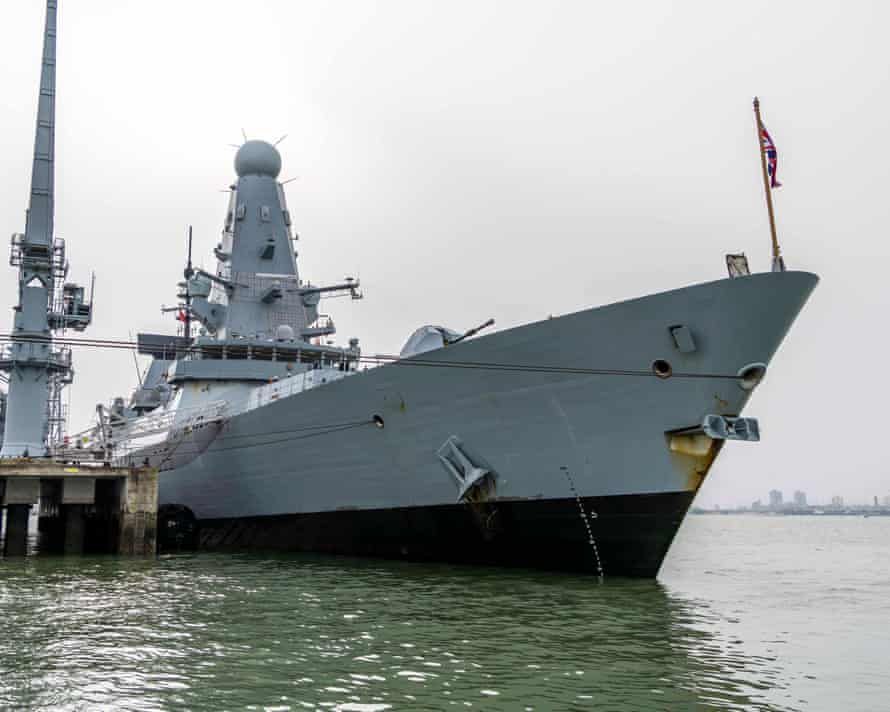
Shipping companies are also reassessing risk exposure, with some vessels rerouting or delaying transit through the strait, further tightening supply chains and increasing costs.
Insurance premiums for maritime transport have surged, reflecting heightened passage perceptions and the potential for further incidents in the region.
These economic pressures are particularly concerning for developing economies, which are more vulnerable to fluctuations in energy prices and supply disruptions.
The situation also underscores the notion of diversifying energy sources and reducing dependence on single passage of failure within the global supply network.
Strategic calculations and future outlook
Iran’s actions suggest a calculated approach aimed at maximizing leverage while avoiding full-scale confrontation, a delicate balance that carries inherent risks.
By asserting control over the Strait of Hormuz, Tehran is signaling that it retains significant influence despite sanctions and military pressure from Western powers.
For the United States, the challenge lies in maintaining deterrence without triggering escalation, a task complicated by domestic political considerations and international expectations.
Read also: Strait of Hormuz ship attacks raise alarm after Iran seizes vessels amid ceasefire tension
The absence of a clear diplomatic roadmap raises questions about the sustainability of the current ceasefire and the fear of renewed hostilities.
Experts argue that without substantive progress in negotiations, the region may remain trapped in a cycle of tension and temporary pauses rather than achieving lasting peace.
The evolving situation highlights the need for coordinated international efforts to de-escalate tensions and establish a framework for agreements that addresses the concerns of all parties involved.
As events continue to unfold, the world watches closely, aware that the stakes extend far beyond regional dynamics to encompass global stability and economic resilience.
Do you think the crisis in the Strait of Hormuz will push global powers toward real negotiations or deeper confrontation? Drop your thoughts in the comment box.
About The Author
