Iran arrests reformists connected to President Masoud Pezeshkian after nationwide protests, as authorities target key figures including Azar Mansouri. The move demonstrates the growing influence of the Islamic Revolutionary Guards Corps.
Azar Mansouri, secretary general of the Islamic Iran People Party, condemned the killings of demonstrators. She said, “We will not allow the blood of these dear ones to be consigned to oblivion.” Her statement reflects deep frustration among reformist leaders.
Ebrahim Asgharzadeh, head of the Reformists Front’s political committee, and Mohsen Aminzadeh, a former deputy foreign minister under Mohammad Khatami, were also detained. Officials accused them of attempting to undermine national unity.
Authorities claimed the reformist leaders were acting in coordination with foreign powers, including the United States and Israel. They were charged with “targeting national unity, taking a stance against the constitution, promoting surrender, perverting political groups and creating secret subversive mechanisms.”
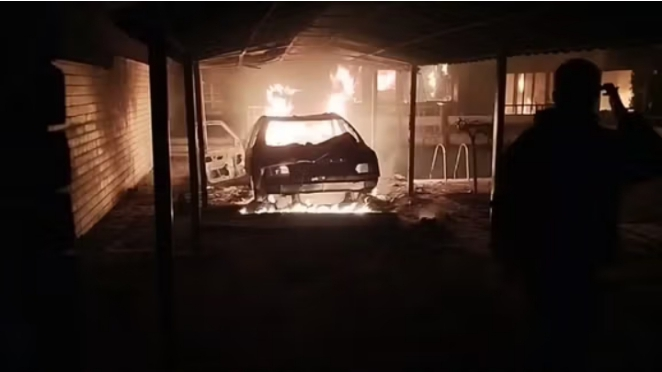
The arrests follow weeks of demonstrations across Iran, sparked by political grievances and economic hardship. Security forces responded with force, mass arrests, and temporary internet shutdowns to curb the spread of protests.
At least two other prominent reformist figures have been ordered to report to police stations. Observers believe these measures aim to prevent criticism of the government’s handling of Iran protests from spreading further.
President Masoud Pezeshkian, who won the 2024 election with 16.4 million votes, launched an inquiry into the protests. However, analysts note it is unlikely to criticise the Revolutionary Guards, showing limits on his political authority.
The official death toll is reported at 3,000, but independent observers suggest the number is significantly higher. Mansouri described the violence as “a great catastrophe,” urging that pursuing truth and accountability is a human duty.
Narges Mohammadi, the Nobel peace laureate, received a new seven-year prison sentence. She briefly spoke to her lawyer, stating her rights were being denied and highlighting the broader crackdown on political and human rights activists.
The arrests reflect tensions between reformist factions and hardline elements within Iran’s political system. Analysts say they show the challenges faced by Masoud Pezeshkian in exercising influence despite his electoral mandate.
Human rights organisations criticised the detentions, noting that reformists who merely expressed sorrow for protester deaths faced harsh punishment. This crackdown is seen as an effort to silence dissent and prevent independent political voices.
Mansouri had expressed deep grief over the protesters’ deaths but had not publicly called for the resignation of Supreme Leader Ali Khamenei. Her arrest indicates that even measured criticism is treated as a threat to national unity.
The Revolutionary Guards have played a central role in enforcing security during the protests. Analysts say the IRGC’s actions have consolidated hardline power and weakened moderate voices in the government, restricting the influence of reformists.
International attention has focused on Iran amid ongoing US-Iran talks over the nuclear programme, mediated by Oman. Experts warn that domestic crackdowns could complicate diplomatic efforts and increase regional tensions.
The arrested reformist figures were accused of “justifying the actions of the terrorists’ infantry,” a claim officials argue demonstrates collaboration with hostile foreign powers. Critics say such allegations are often used to suppress dissent.
The statement from reformists emphasised that “no power, no justification and no time can sanitise this great catastrophe,” highlighting frustration with authorities’ handling of the protests. Their words underline the human cost of political repression.
Protesters’ grievances included economic hardship, political discontent, and demands for accountability. Authorities’ response involved arrests, force, and censorship, illustrating the difficulties reformists face in advocating for change within Iran.
The arrests also follow detentions of several human rights defenders who signed a statement calling for a “free, transparent referendum” to establish a new, democratic government. Their advocacy drew international condemnation.
Dr Ghorban Behzadian-Nejad, a senior adviser to reformist Mir-Hossein Mousavi, was among those detained alongside Vida Rabbani, Abdollah Momeni, and Mehdi Mahmoudian. These arrests signal a broad effort to restrict political activism beyond government circles.
President Pezeshkian’s inquiry into the protests has yet to yield results. Analysts suggest that the detentions of reformist allies indicate the limited power of the presidency when security and judicial forces are dominated by hardline actors.
The international community has criticised Iran’s handling of protests and political repression. Human rights organisations emphasise that reformists are being punished for expressing grief and calling for accountability rather than for engaging in violent activity.
Observers note that these events mark one of the most significant crackdowns on reformists in recent years. The combination of arrests, censorship, and intimidation has sent a strong signal to internal political opponents.
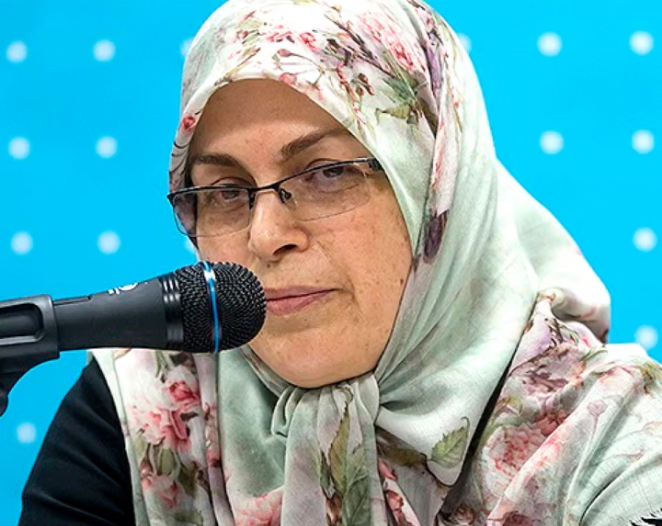
Mansouri’s words emphasised that seeking truth and pursuing justice is a duty for all citizens. She warned against allowing the deaths of protesters to be ignored or forgotten, underlining reformists’ commitment to accountability.
The situation remains tense as Iran protests continue to shape political discourse. Analysts say the arrests, combined with restrictions on information, internet access, and civic activism, will further consolidate hardline control.
Read also: Ireport247news
About The Author