The dramatic fall of Ayandeh Bank has thrown corruption and mismanagement in Iran into sharp focus, sparking outrage among citizens already battered by inflation and economic instability.
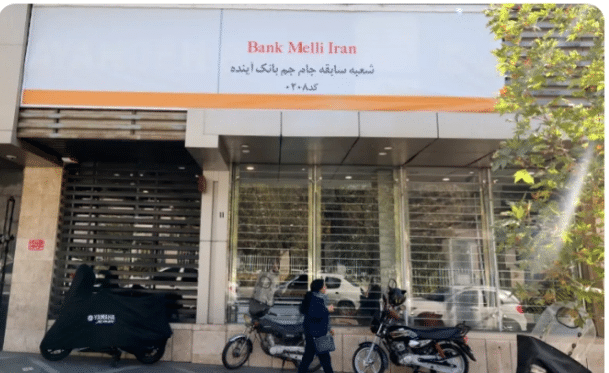
Authorities confirmed that the private lender, owned by billionaire Ali Ansari, would merge with Bank Melli after years of mounting losses and financial irregularities.
“This marks a pivotal reckoning for Iran’s banking sector,” said a senior economist in Tehran. “Accountability must replace privilege if public trust is to return.”
The Central Bank disclosed that Ayandeh had accumulated nearly five quadrillion rials in debt, prompting a sweeping intervention to prevent systemic collapse within the Iranian economy crisis.
Public reaction has been swift and furious. “They robbed the people, and now we’ll pay for it again,” lamented a teacher outside Tehran’s bustling Tajrish Bazaar.
Founded in 2013, Ayandeh Bank symbolized ambition and modern enterprise. Yet, beneath its polished façade, reckless lending and favoritism mirrored the growing financial mismanagement in Iran.
Ali Ansari, celebrated for constructing Iran Mall, once promised to revolutionize private finance. Instead, Ayandeh became a cautionary tale of unchecked greed and misplaced political influence.
According to the Central Bank, Ayandeh distributed over ten times its authorized loan limit, funneling vast sums to insiders and affiliated business ventures without proper oversight mechanisms.
Online outrage erupted as businessman Pedram Soltani demanded transparency. “Publish the overdue loans list,” he posted, “and show Iranians who drained their future for personal gain.”
The Iran banking corruption saga began years earlier, during the 2010s crisis when unlicensed credit institutions mushroomed across Iran, offering high-interest rates before collapsing spectacularly.
Those institutions siphoned savings from citizens, leaving countless families unable to retrieve deposits for years. Their failures exposed Iran’s fragile financial system and the dangers of unchecked deregulation.
The Central Bank intervened in 2017, outlawing unlicensed lenders. But much damage had already been done, forcing authorities to print money and fueling inflation across the nation.
Experts describe a vicious cycle: financial institutions collapse, the government bails them out, and ordinary Iranians bear the burden through skyrocketing costs of food and basic commodities.
Economist Bijan Khajehpour warned, “These non-performing loans exist because corruption overrides due process. Without reform, Iran will remain trapped in endless financial instability.”
Ayandeh’s numbers tell the story. It held 2.5 quadrillion rials in deposits yet owed far more, making it a ticking time bomb within the economy.
Its capital adequacy ratio stood at an unimaginable minus 600 percent. By comparison, global banking standards require a minimum of eight percent to ensure financial solvency.
“The figures are catastrophic,” said one analyst. “Ayandeh’s collapse illustrates the magnitude of financial mismanagement in Iran and exposes how systemic corruption has eroded fiscal accountability.”
The Iran corruption scandal deepened when revelations emerged that key beneficiaries included entities tied to powerful political and business networks. Yet, none have faced prosecution so far.
Judiciary chief Gholamhossein Mohseni-Ejei publicly warned Central Bank Governor Mohammad-Reza Farzin to act decisively or face intervention. “Do your duty,” he said, “or we will take charge.”
His comments echoed rising tensions between hardliners and reformists, each seeking political mileage from the scandal, revealing deep fractures within Iran’s already polarized power structure.
Parliament Speaker Mohammad Bagher Ghalibaf hailed Ayandeh’s dissolution as “a triumph for governance.” Critics, however, dismissed the rhetoric as posturing amid growing public distrust of institutions.
Despite official assurances, experts predict long-term economic aftershocks. The merger with Bank Melli may stabilize liquidity temporarily but risks spreading Ayandeh’s toxic debt throughout the system.
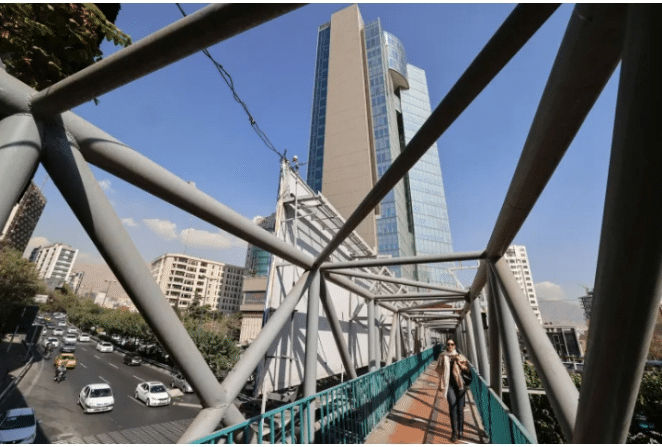
Among Ayandeh’s assets, Iran Mall stands out — the world’s largest shopping complex, now under state control, symbolizing both ambition and the perils of elite excess.
Central Bank officials vowed that “none of Ayandeh’s imbalances” would transfer to Bank Melli. Still, analysts fear hidden losses could eventually resurface, straining state resources further.
Iran’s Deposit Guarantee Fund will absorb part of the losses. However, inflation will likely spike again, reducing real wages and aggravating the already severe Iranian economy crisis.
Ordinary citizens remain unconvinced. “They tell us deposits are safe,” said a retired nurse, “but every bailout makes bread, meat, and rent more expensive for everyone.”
Indeed, since the announcement, food prices have surged. Chicken, rice, and cooking oil have seen double-digit increases, reflecting public anxiety and the tangible cost of systemic corruption.
Economist Hossein Ramezani noted, “Printing money to cover bank losses guarantees inflation. Every rial printed deepens poverty and widens inequality — the hidden tax of corruption.”
Ayandeh’s downfall is now seen as both a symptom and catalyst of broader corruption and mismanagement in Iran, where oversight mechanisms exist largely on paper, not in practice.
Hardliners have weaponized the case to attack reformists, framing it as proof of Westernized incompetence, even as many implicated figures share close ties to conservative circles.
This political blame game has obscured accountability. No arrests, no audits, and no transparent recovery plan have been disclosed despite billions in missing public and private funds.
Ali Ansari defended his legacy, insisting Ayandeh’s collapse stemmed from “external decisions” and claiming to have left “valuable assets and goodwill” for Iran’s economic future.
His statement, however, offered little comfort. “They call it goodwill,” said one shopkeeper, “but all we see is rising rent, shrinking income, and endless government excuses.”
The Iran banking corruption narrative continues to unfold as new details emerge. Investigators have hinted at political interference blocking prosecutions and complicating financial restitution efforts.
International observers see parallels with previous scandals, suggesting a structural rot where privilege shields elites while the working class bears economic consequences through inflationary pressure.
“Until transparency becomes mandatory, not optional, corruption will thrive,” said a former auditor. “Without institutional independence, accountability will remain an illusion in the financial sector.”
For now, the state faces a difficult balance: stabilize public confidence without revealing the full extent of internal corruption threatening to unravel Iran’s fragile economic system.
The merger may buy time, but experts warn it cannot restore solvency. Real reform requires independent oversight and an end to financial mismanagement in Iran.
Still, hope lingers among reform-minded economists calling for digital banking transparency, stricter loan audits, and public access to financial disclosures from all major institutions.
“The solution is transparency,” argued a Tehran University professor. “Expose every insider deal. Sunshine is the only disinfectant strong enough for entrenched corruption.”
Ordinary Iranians, however, have grown skeptical. “We’ve seen this movie before,” said a taxi driver. “They dissolve one bank today, and another collapses tomorrow.”
The Iran corruption scandal has thus become more than a financial story. It represents national fatigue with unfulfilled promises of reform and decades of institutional decay.
Observers say the lesson is clear: without structural change, bailouts will only prolong crisis, deepening inequality and perpetuating dependence on politically connected financiers.
Some analysts even warn that persistent corruption could push Iran’s economy toward a full-fledged credit collapse, limiting access to capital and accelerating social discontent.
The Central Bank insists corrective measures are underway, including tighter lending controls and internal audits. Yet, few believe these initiatives will uproot deeply entrenched corruption networks.
Each bailout widens the gap between elite prosperity and public hardship, illustrating how corruption and mismanagement in Iran drain national potential and undermine economic resilience.
As inflation eats away salaries, Iranians increasingly equate corruption with survival. “The system feeds itself,” sighed an economist. “The rich borrow — the poor repay.”
Until transparency, justice, and reform prevail, Ayandeh Bank’s collapse will remain a defining symbol of corruption and mismanagement in Iran — and of a people paying the price.
About The Author