

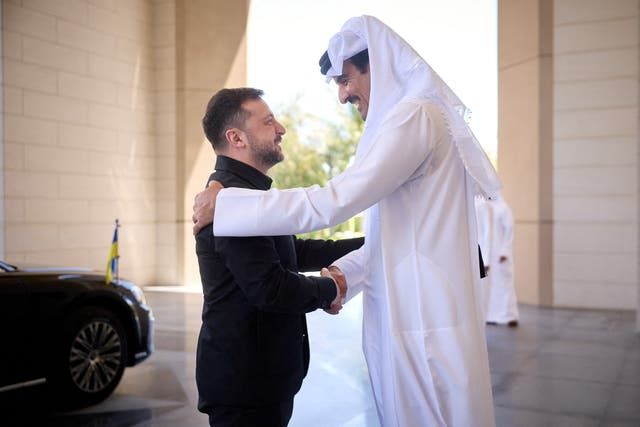
Ukrainian President Volodymyr Zelensky seeks Middle East defence deals during an unannounced Gulf tour, including Jordan, the UAE, and Qatar. Discussions focused on military cooperation, security partnerships, and supporting Kyiv’s ongoing war effort against Russia.
Zelensky emphasized Ukraine’s battlefield experience with drones, offering technical expertise in exchange for financial aid and weapons production. He stressed the importance of unified defence systems to protect both people and critical infrastructure in the region.
“We discussed partnerships in security and the overall Middle East situation,” Zelensky said. Kyiv is facing financial challenges due to prolonged conflict. Partnerships could bolster Ukraine’s defence budget while accelerating production of advanced military drones and technology.
Talks also included joint drone development, cybersecurity cooperation, and coordinated defence strategies. Gulf leaders expressed interest in Ukraine’s battlefield-tested drone operations, which have become a central feature of Kyiv’s asymmetric warfare against Russian forces.
Collaboration with Gulf states could create a mutually beneficial security framework. The partnership would provide cutting-edge defence capabilities to the region while supporting Ukraine’s urgent military needs and strengthening its long-term geopolitical position.
Meanwhile, Kyiv’s drones targeted Russian territory, including Taganrog. One civilian was killed, eight injured, and multiple buildings damaged after debris caused evacuations. Air defence units actively intercepted additional threats, keeping citizens as safe as possible.
Taganrog, a port city on the Sea of Azov near Ukraine’s border, is strategically valuable. Repeated drone strikes there aim to disrupt Russia’s energy export network and weaken Moscow’s ability to fund ongoing military operations effectively.
Ukrainian drones have attacked Russia’s major oil export ports, including Novorossiysk, Primorsk, and Ust-Luga. Fires broke out at the Ust-Luga port after strikes. Officials reported “serious damage” to oil terminals and ongoing emergency response operations.
In Kramatorsk, a Russian glide bomb strike killed three civilians, including a 13-year-old boy, and injured thirteen others. Ukrainian authorities said the attack targeted key frontline cities, demonstrating the high intensity of ongoing Russian operations.
The Ukraine-Russia war has seen drones as a central tactic. German company Rheinmetall drew criticism after its CEO compared Ukrainian drone makers to “housewives” producing parts, downplaying their vital role in the war effort.
Ukrainian officials condemned the remarks. Presidential adviser Alexander Kamyshin emphasized women work alongside men in arms production, contributing critically to defence. Social media amplified backlash with #MadeByHousewives, highlighting women’s strategic contributions.
Finland reported stray Ukrainian AN196 drones entering its airspace. Estonia, Latvia, and Lithuania noted similar incursions after Ukrainian strikes on Russian oil facilities. Analysts suggested Russia’s electronic jamming may have caused navigation errors.
Russia reinforced air defence and protected key oil export facilities. Analysts noted Moscow relies heavily on revenue from ports, and Ukraine’s strikes are significantly impacting Russia’s military funding and operational capabilities.
Russian media expressed concern over Ukraine’s drone efficiency. Pro-war bloggers criticized leadership for failing to adapt to evolving tactics. Moscow fears ongoing strikes on energy and infrastructure could destabilize both finances and military plans.
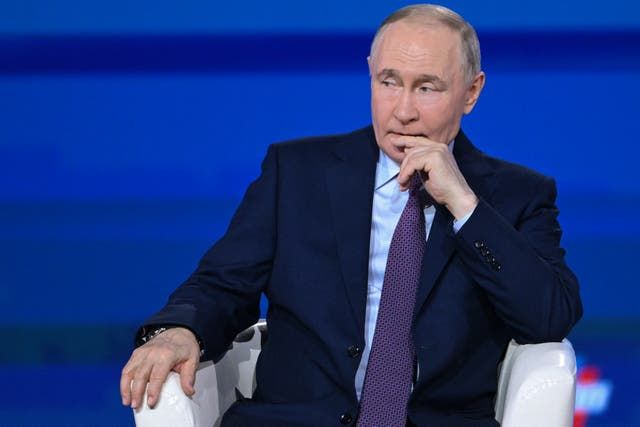
Russia may accelerate spring offensives due to perceived opportunities created by global distractions. Analysts warned Vladimir Putin might intensify attacks on Ukrainian cities, energy facilities, and military supply lines, increasing civilian risks and infrastructure damage.
Zelensky’s diplomatic outreach remains crucial. Engagement with Gulf leaders could secure long-term defence partnerships, advanced technology access, and financial support, helping Ukraine sustain military efforts while enhancing its strategic and defensive capabilities.
Drone attacks have disrupted global energy markets. Oil prices surged above $100 per barrel amid Ukraine’s targeted strikes and regional tensions. Analysts argue that consistent pressure could limit Russian funds for military operations and negotiations.
Civilian casualties continue in Taganrog, Kramatorsk, and other cities. Emergency services operate under dangerous conditions, providing critical support. International agencies call for adherence to international law, emphasizing civilian protection amid intensified strikes and drone attacks.
Overall, Zelensky seeks Middle East defence deals to strengthen Ukraine militarily and diplomatically. Kyiv’s use of drones shows its innovation and adaptability, creating international attention and shaping the dynamics of the ongoing war.
Read also:Trump says Iran’s new leaders very reasonable
About The Author
