

Iran prison torture allegations are intensifying as former detainees, journalists and human rights organizations reveal disturbing accounts of brutal arrests, severe abuse and deaths in custody.
Testimonies emerging after the easing of internet restrictions paint a troubling picture of Iran’s prison system, where political prisoners and protesters allegedly face beatings, starvation, psychological abuse and prolonged detention.
The growing reports have renewed international scrutiny of Iran human rights abuses and raised fresh concerns about the treatment of political prisoners in Iran amid an ongoing crackdown on dissent. Rights groups say the emerging testimonies reveal a pattern of abuse that extends far beyond isolated incidents, suggesting deeper systemic problems within the country’s detention facilities.
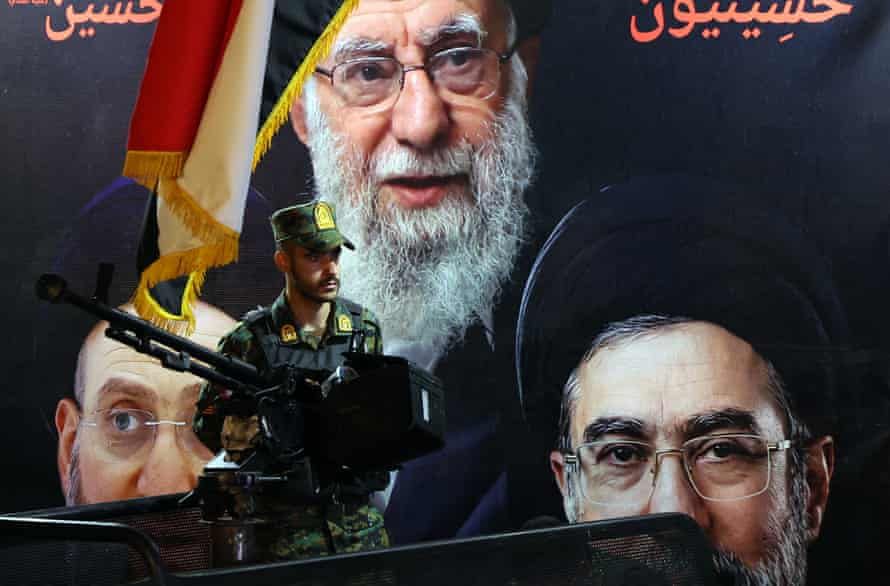
Former Detainees Describe Violent Arrests and Abuse
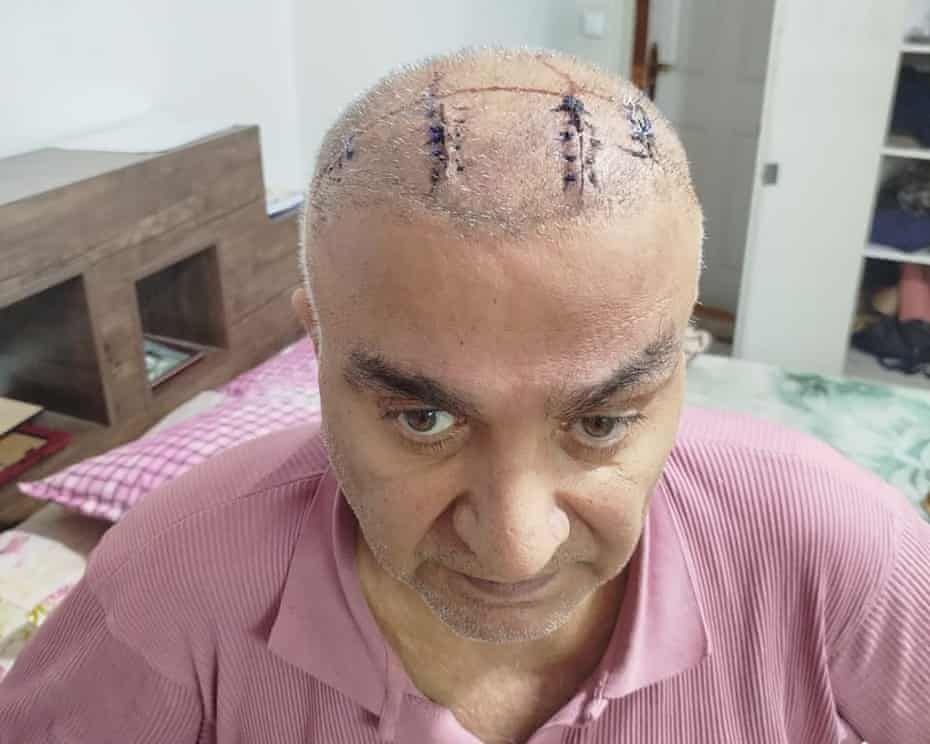
Among those speaking out is Iranian writer Hamid Asefi, who says armed intelligence agents stormed his Tehran apartment before violently arresting him.
According to Asefi, officers used force immediately upon encountering him.
“One of the agents drew his handgun, shouted at me to stop, and struck me forcefully on the back of the neck and spine with the butt of his weapon.”
Asefi says the violence escalated when he requested to see an arrest warrant.
“Heavy blows were directed at my ribs, kidneys, temples and the back of my head. The beating was so severe that I lost consciousness.”
The 63-year-old writer later required emergency medical treatment after suffering serious head injuries. Medical examinations reportedly revealed extensive bleeding on his brain, forcing him to undergo surgery.
His experience has become one of the most widely cited examples of alleged Iran prison torture since restrictions on communications began easing. Human rights advocates say stories such as Asefi’s demonstrate how detainees often face abuse before formal charges are even presented.
Rights Groups Raise Alarm Over Iran Human Rights Abuses
Human rights organizations say Asefi’s testimony is not an isolated case. According to reports from international rights monitors, detainees have allegedly been subjected to severe mistreatment since authorities intensified security measures following protests and regional tensions.
Rights advocates claim detainees have faced severe beatings, forced confessions, suspension by their hands and feet, prolonged interrogations and denial of medical care. Former prisoners also describe intense psychological pressure, including threats against family members, mock executions, sleep deprivation and lengthy periods of solitary confinement.
According to campaigners, such treatment leaves deep psychological scars that often persist long after prisoners regain their freedom. Many former detainees reportedly continue to struggle with anxiety, depression and post-traumatic stress years after their release.
Political Prisoners in Iran Describe Harsh Prison Conditions
A young protester identified as Mehnaz recounted being detained after authorities accused her of anti-government activity online. Although she had not been arrested during demonstrations, she was taken into custody shortly before regional hostilities escalated.
Mehnaz says prison conditions were extremely difficult and left lasting physical and emotional damage.
“I lost 8 kilos in just two weeks. Some tortures don’t leave bruises, but they stay with you forever.”
According to her account, more than 80 women were housed in a single ward under overcrowded conditions. Detainees reportedly slept on floors while struggling with poor sanitation and limited access to food and water.
The conditions described by Mehnaz have renewed concerns about prison overcrowding and the welfare of political prisoners in Iran. Human rights groups argue that inadequate access to healthcare and basic necessities places detainees at increased risk of illness and long-term health complications.
Deaths in Iranian Prisons Trigger International Concern
Perhaps the most alarming allegations involve deaths in Iranian prisons. The case of Hesam Alaeddin has attracted particular attention following reports that he died after being taken into custody.
According to individuals familiar with the case, the father of two disappeared after being arrested during a security operation targeting satellite communication equipment. Family members reportedly spent weeks searching for information about his whereabouts.
When authorities eventually contacted the family, it was to collect his body.
“They beat him to death. His wife is terrified, and his daughters cannot understand why he is not coming home.”
The allegations have intensified calls for independent investigations into detention-related deaths and accountability for abuses committed inside prisons. Rights advocates argue that transparency is essential to restoring public confidence and ensuring justice for victims and their families.
Families Left Searching for Answers
Human rights observers say uncertainty surrounding detainees often compounds the suffering of relatives. Families frequently struggle to determine where loved ones are being held, whether they have access to legal representation and what condition they are in.
The lack of information creates a climate of fear and anxiety. Many relatives spend weeks or even months seeking answers while navigating a complex prison system that critics say lacks sufficient transparency and independent oversight.
Campaigners argue that families deserve timely information about detainees and access to legal processes that protect fundamental rights.
Journalists Become Targets in Iran Crackdown on Protesters
Journalists have also found themselves caught up in the widening crackdown,The Guardian re ports. Iranian journalist Vida Rabbani reportedly faced arrest after signing a statement criticizing government actions.
Following her detention, allegations emerged that she was subjected to physical abuse and humiliation. According to accounts shared publicly, visible bruises covered much of her body following her imprisonment.
Read also: Trump Netanyahu phone call erupts over Beirut bombing threat as Iran peace talks stall
Rabbani later described enduring repeated assaults and intimidation while in custody.
“They kept calling me a savage and violently tried to force me to wear a hijab.”
She also spoke about the lasting emotional impact of detention.
“They have a way to torture you without leaving a visible trace.”
Her testimony underscores growing concerns regarding press freedom and the treatment of journalists in Iran. Media rights organizations warn that targeting journalists can have a chilling effect on free expression and independent reporting.
Why These Allegations Matter Beyond Iran
The significance of these reports extends beyond individual cases. Analysts say the emerging testimonies offer a rare glimpse into conditions that are often hidden from international scrutiny due to censorship and communication restrictions.
The allegations also highlight broader global concerns about human rights, accountability and the protection of civil liberties. Experts argue that the treatment of detainees is an important indicator of the rule of law and respect for fundamental freedoms within any society.
As more survivors come forward, pressure is increasing on governments, international organizations and rights groups to investigate claims of abuse and demand accountability.
Global Calls for Accountability Grow Louder
The growing volume of testimonies has transformed isolated allegations into a wider international human rights concern. Reports of Iran prison torture, deaths in Iranian prisons and abuse against political prisoners in Iran continue to draw global attention as former detainees describe experiences that have left lasting physical and psychological scars.
While Iranian authorities have repeatedly defended their security policies, critics argue that transparency and independent investigations are necessary to establish the truth behind the allegations and ensure justice for victims.
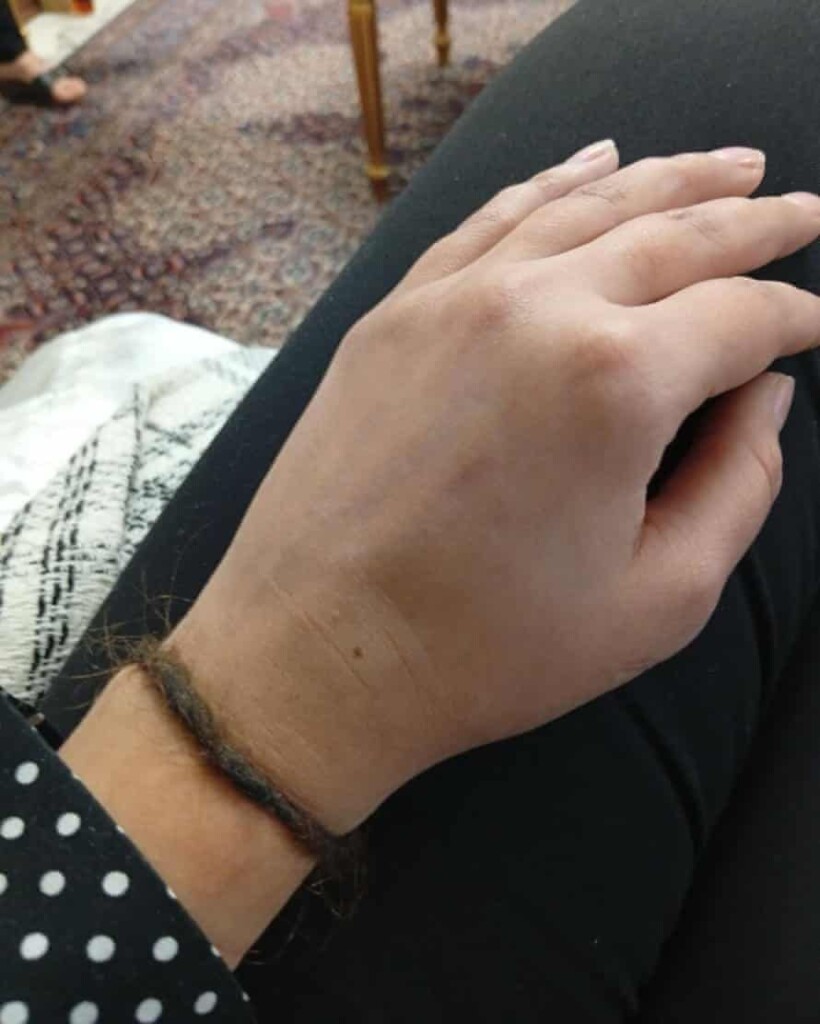
For survivors such as Hamid Asefi, the consequences remain deeply personal.
“Death was no longer a distant possibility; I could feel its shadow completely across my face.”
As more accounts emerge, the debate over Iran human rights abuses is likely to intensify, placing renewed global focus on prison conditions, accountability and the future of civil liberties in the country.
About The Author


