

Iran experienced a complete internet blackout on Thursday night as widespread protests over economic conditions intensified, spreading across the country and escalating pressure on the government.
Authorities have not officially explained the cause of the blackout, but the internet monitoring group NetBlocks confirmed a nationwide outage, highlighting the state’s response to ongoing demonstrations.
Earlier Thursday, NetBlocks reported outages in Kermanshah in western Iran, as security forces intensified measures against demonstrators attempting to express grievances over rising prices and declining living standards.
The Norway-based NGO Iran Human Rights reported at least 45 protesters killed, including eight children, since the demonstrations began twelve days ago, indicating the crackdown has become increasingly lethal.
Shopkeepers in Kurdish regions heeded calls from seven political groups for a general strike, closing businesses in dozens of cities, including Ilam, Kermanshah, and Lorestan, as protests spread.

Hengaw rights group shared footage of shuttered shops in western Iran, accusing security forces of firing on demonstrators in Kermanshah and nearby Kamyaran, injuring multiple protesters and creating widespread fear.
By Thursday, demonstrations had reached all 31 Iranian provinces, underscoring the nationwide scope of unrest and demonstrating that protesters remain determined despite the risk of violence from authorities.
In southern Fars province, protesters pulled down a statue of former IRGC commander Qassem Suleimani, a government hero figure, signaling deep symbolic opposition to the state’s security institutions and past military leadership.
Verified video footage showed cheering crowds as the statue was toppled, highlighting the symbolic power of protests and signaling public frustration with the government’s handling of economic and political crises.
Social media images verified by Agence France-Presse showed large gatherings along Ayatollah Kashani Boulevard in northwest Tehran, with vehicle horns blaring in support, as crowds remained in the streets late into the evening.
In the western city of Abadan, protesters also took to the streets, with reports of a woman being shot in the eye, demonstrating the severe risks faced by demonstrators and bystanders during ongoing unrest.
The Iran Human Rights director Mahmood Amiry-Moghaddam described Wednesday as the bloodiest day of the movement, with thirteen confirmed deaths, hundreds wounded, and more than 2,000 arrests, indicating an escalating security response.
Local media reported at least 21 deaths among both protesters and security personnel since protests began, reflecting the scale of violence and highlighting challenges in obtaining accurate casualty counts from the region.
Protests in 2026 have not reached the same intensity as the 2022 Woman, Life, Freedom demonstrations in terms of sheer numbers, but they have caused alarm within Iran’s political and security leadership.
Rights groups accuse authorities of raiding hospitals to detain wounded protesters, signaling a broader crackdown on civil society and raising concerns over the use of unlawful force against both demonstrators and bystanders.
Amnesty International condemned the violence, stating Iran’s security forces have used “unlawful force” to injure and kill protesters, calling for international attention and urging restraint in the government’s response.
Iranian President Masoud Pezeshkian issued a statement urging “utmost restraint,” warning against violent or coercive behavior, and emphasizing the need for dialogue and listening to citizens’ grievances.
The protests were triggered by the rapid slide of the Iranian currency and a worsening economic crisis, making everyday life increasingly unaffordable for ordinary Iranians amid soaring prices.
The government recently ended a subsidized exchange rate for importers, causing grocery and commodity prices to surge, adding fuel to demonstrations and widening public discontent with Tehran’s handling of the economy.
Food prices have risen more than 70% since last year, while medicine costs have jumped around 50%, putting immense pressure on families and exposing structural weaknesses in the country’s economic management.
Authorities have claimed the crisis is largely beyond their control, blaming foreign sanctions and external economic pressures for domestic shortages and inflation, which has fueled public frustration and protest activity.
Unlike the 2022 protests, which centered around the death of Mahsa Amini in police custody, the 2026 demonstrations appear decentralized, without a single focal figure, reflecting broader social discontent rather than a symbolic rallying point.
Exiled crown prince Reza Pahlavi has attempted to fill the leadership void, urging citizens to show support from their windows at 8pm local time, signaling an effort to unify the fragmented movement.
Videos from recent protests show demonstrators chanting in support of Pahlavi, though the true level of backing for the exiled prince remains unclear amid widespread fear of reprisals from security forces.
Government-aligned media reported that intelligence agents have warned citizens against participating in protests linked to Pahlavi, and drones are allegedly being used to identify attendees in an effort to suppress demonstrations.
Read also: Two wounded in Portland federal agents shooting outside hospital, sparking protests and calls for pause
Analysts suggest the state may feel less secure than during 2022, partly due to the impact of Iran’s June war with Israel, creating a context in which authorities are both cautious and reactive in their crackdown strategies.
While authorities have resorted to violence, reports indicate the response has not reached the intensity of 2022, reflecting a measured, albeit deadly, approach to controlling unrest across multiple provinces.
Internationally, the US President Donald Trump reiterated threats to act if Iranian authorities continue killing demonstrators, warning that Washington would respond strongly to further casualties.
The US State Department has encouraged protesters online, sharing images of citizens placing Trump stickers on road signs, framing international attention as supportive of Iran’s civilian opposition to the regime.
On Thursday night, US Treasury Secretary Scott Bessent said the Iranian economy was “on the ropes,” emphasizing the precarious situation and highlighting the risk of worsening domestic unrest if conditions deteriorate further.
German Foreign Minister Johann Wadephul condemned the “excessive use of force” by Iranian authorities, aligning European voices with calls for restraint and protection of human rights amid the nationwide demonstrations.
Iran’s military and foreign ministry responded angrily to external criticism, with army leadership threatening pre-emptive strikes on states deemed to be interfering, further heightening tensions between Tehran and foreign powers.
Authorities have increasingly labeled protesters as violent and foreign-backed, framing demonstrations as a security threat rather than a legitimate expression of economic grievances, in an effort to justify aggressive crackdowns.
Government-aligned outlets reported attacks on security forces, including a police colonel stabbed near Tehran and a police station in Chenaran attacked, resulting in five deaths, emphasizing the violent dimension of certain protests.
Despite the violence, everyday life in Iran continues under immense economic pressure, with citizens navigating rising prices and scarcity of basic goods while facing the threat of government retaliation for dissent.
The protests have highlighted the growing disconnect between the government’s narrative of order and the public’s experience of economic hardship, as citizens challenge both local and national authorities in multiple regions.
Economic grievances remain central, with citizens frustrated by rising costs, currency devaluation, and limited government solutions, which have fueled demonstrations and contributed to the rapid spread of unrest nationwide.
Security forces continue to employ a combination of arrests, force, and surveillance to control crowds, creating an atmosphere of tension that underscores the state’s ongoing struggle to contain a protest movement of unprecedented reach.
International organizations continue monitoring the situation, raising alarms about human rights abuses and urging the Iranian government to allow free expression and protect civilians from harm during ongoing demonstrations.
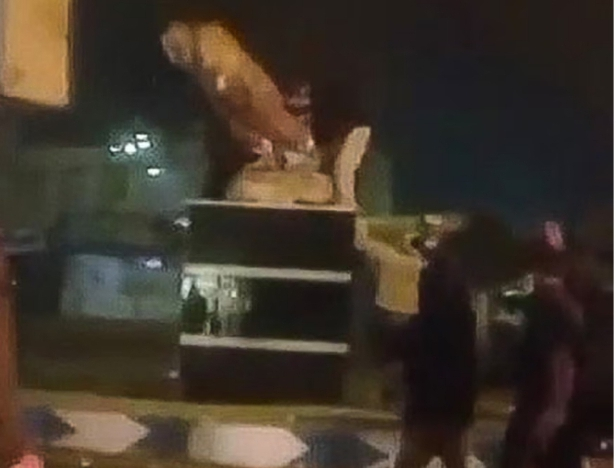
Videos circulating on social media show both the scale of protests and the visible determination of demonstrators, reinforcing the decentralized and grassroots nature of the movement across cities large and small.
The government faces both domestic and international pressure to address economic conditions while avoiding further bloodshed, a complex balancing act that has yet to produce meaningful solutions for citizens.
Authorities’ attempts to restrict internet access highlight the state’s reliance on technology controls as a key tool for managing dissent, but the blackout has also sparked international concern about information suppression.
Protesters remain active, leveraging street presence, strikes, and symbolic acts to express dissatisfaction, showing that despite violent reprisals and an internet shutdown, the movement continues to challenge Iran’s political and economic system.
As the situation develops, the eyes of the world remain on Tehran, where authorities must navigate an increasingly volatile mix of domestic unrest, economic crisis, and international scrutiny over human rights violations.


