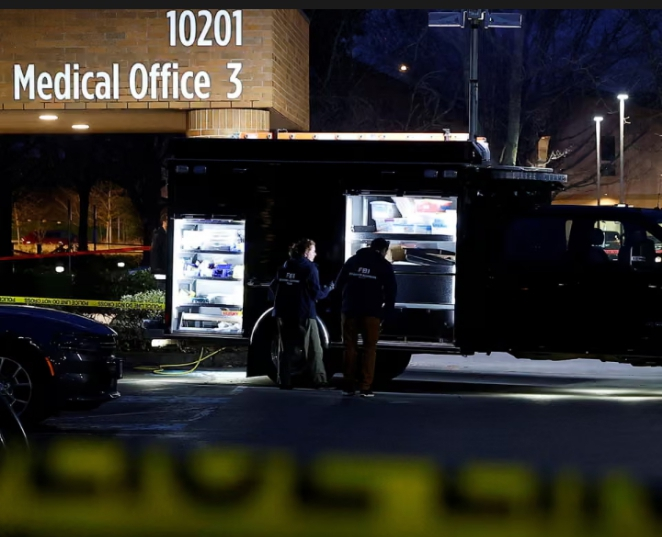
The Portland federal agents shooting has intensified national debate after two people were wounded outside an east Portland hospital during a federal immigration enforcement encounter.
Federal officers opened fire during a vehicle stop near a medical campus, triggering emergency responses, community protests, and renewed scrutiny of immigration enforcement tactics nationwide.
Portland police said officers initially responded to reports of gunfire near the hospital before learning injured individuals had driven several miles seeking help.
Police later located an adult man and woman with apparent gunshot wounds, applied tourniquets, and transported both victims to hospital for urgent treatment.
Authorities confirmed the injuries occurred during an incident involving federal agents, though officials initially declined to specify the victims’ conditions or exact sequence.
A Department of Homeland Security spokesperson said border patrol agents stopped a vehicle while searching for a suspected undocumented immigrant allegedly linked to criminal activity.
According to the federal account, agents fired after the driver allegedly attempted to strike officers with the vehicle, describing the gunfire as defensive.
City officials openly questioned that narrative, stressing that trust has eroded after repeated confrontations between residents and heavily armed federal personnel.
Portland’s mayor said federal statements no longer carry automatic credibility, urging verification through independent investigations and public release of evidence.
He called for a pause on immigration enforcement operations in the city until a full, transparent investigation is completed.
Police leadership emphasized the investigation is federal and led by the FBI, while appealing for calm amid heightened community tensions.
The Portland federal agents shooting occurred one day after a separate incident in Minneapolis involving a federal immigration officer.
In Minneapolis, a federal officer fatally shot 37-year-old Renee Nicole Good, an incident that killed one woman and sparked nationwide outrage.
Federal authorities claimed the Minneapolis officer acted in self-defense, while state officials and civil rights groups questioned that account.
Video footage shared widely online appeared to contradict official statements, prompting demands for independent review and transparency.
Minnesota officials said jurisdictional disputes complicated their investigation after federal agencies assumed control of the case.
The Minneapolis shooting heightened fears that aggressive immigration enforcement tactics are escalating into deadly encounters across multiple cities.
In Portland, a congressional representative said both injured victims were alive, though the full extent of their injuries remained unclear.
She called on Immigration and Customs Enforcement to immediately halt operations in Portland, describing current tactics as destabilizing and dangerous.
“ICE has injected fear and chaos into our communities,” she said, accusing the administration of authoritarian enforcement methods.
State lawmakers echoed those concerns, arguing Oregon’s history as a welcoming refuge conflicts with aggressive federal immigration actions.
An Oregon state senator told federal agents their presence was unwelcome, urging them to leave the community immediately.
Civil rights advocates demanded the hospital release security camera footage, insisting transparency is essential for accountability and restoring trust.
Eyewitnesses described officers attempting to corner a vehicle in a parking lot, pounding on windows before the vehicle fled.
Witnesses said the driver reversed and moved forward repeatedly, striking another vehicle before escaping the scene.
Protests quickly formed outside Portland city hall, with demonstrators chanting against ICE and calling for systemic immigration reform.
Smaller groups also gathered near an ICE facility, some wearing costumes used previously to defuse tensions during demonstrations.
City officials posted advisories urging residents to respond calmly and avoid violence while investigations continue.
National leaders warned unrest could be politically exploited, urging communities not to “take the bait” amid emotionally charged circumstances.
Across the United States, cities remain on edge following the Minneapolis killing and the Portland federal agents shooting.
Legal experts noted growing conflicts between federal immigration enforcement and sanctuary city policies protecting undocumented residents.
They warned unresolved tensions could lead to constitutional challenges over states’ rights, policing authority, and civil liberties.
Healthcare workers near the Portland scene expressed fear, saying hospitals should remain neutral sanctuaries free from armed confrontations.
Community organizers scheduled forums to discuss safety, immigration policy, and de-escalation strategies with local leaders and residents.
Small business owners worried ongoing protests might disrupt livelihoods but largely supported calls for accountability and restraint.
Faith leaders urged compassion, dialogue, and nonviolence, emphasizing the human cost behind political and legal disputes.
Policy analysts highlighted gaps in coordination between federal agents and local police, recommending clearer protocols and de-escalation training.
The Portland incident revived memories of last year’s prolonged protests against an ICE facility in the city’s downtown.
Those demonstrations previously prompted attempted National Guard deployments, later stalled by court challenges and legal objections.
Civil liberties groups prepared public records requests seeking communications, body camera footage, and operational orders related to the shooting.
National attention has focused on Portland as a symbol of broader struggles over immigration enforcement and federal authority.
Read more here: Minneapolis ICE shooting sparks demands for independent investigation as Walz condemns federal response
Experts warned repeated confrontations risk eroding trust, straining emergency services, and deepening community divisions nationwide.
City council members discussed resolutions reaffirming sanctuary policies and demanding enforcement pauses pending investigations.
Youth activists organized educational sessions explaining legal rights during encounters with law enforcement and federal agents.
Families of the injured awaited updates, while communities reflected on the Minneapolis killing and its wider implications.
Advocates stressed that multiple shootings within days signal systemic problems requiring urgent national attention and policy reassessment.
As investigations proceed, pressure mounts on federal agencies to release evidence and cooperate fully with local authorities.
The Portland federal agents shooting continues shaping a volatile national conversation on immigration enforcement, accountability, and public safety.
About The Author