

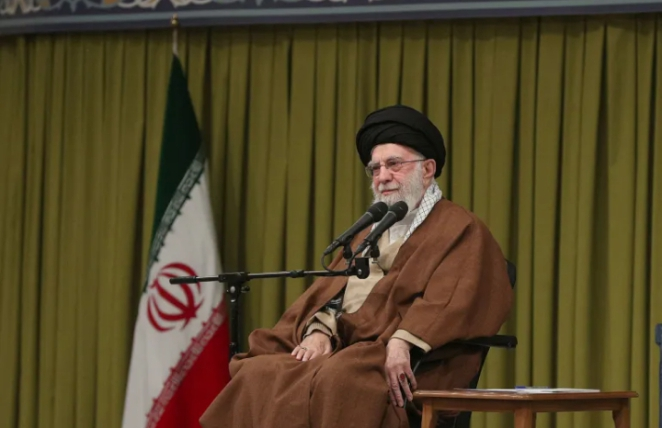
Iran’s Supreme Leader Ayatollah Ali Khamenei is reportedly preparing an escape plan to flee the country if nationwide protests overwhelm Iran’s security forces, intelligence sources say.
According to the intelligence assessment, Khamenei would leave Tehran for Moscow alongside close family members and senior aides if loyalty within the military collapses.
The report claims the 86-year-old leader views Russia as his safest remaining refuge amid growing domestic unrest and international isolation facing Iran’s ruling elite.
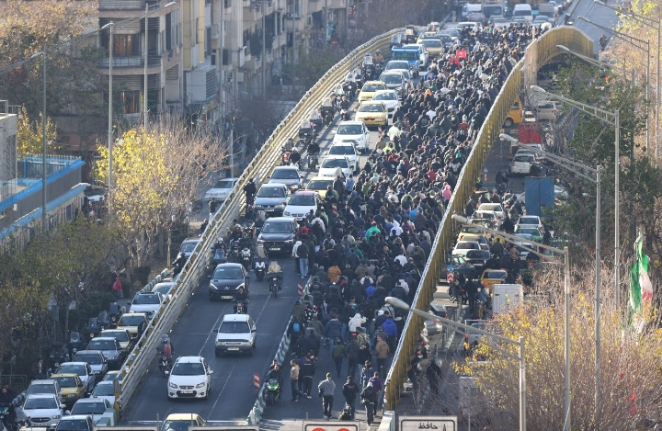
Protests across Iran have intensified over the past week, driven largely by economic hardship, soaring inflation, and the rapid collapse of the national currency.
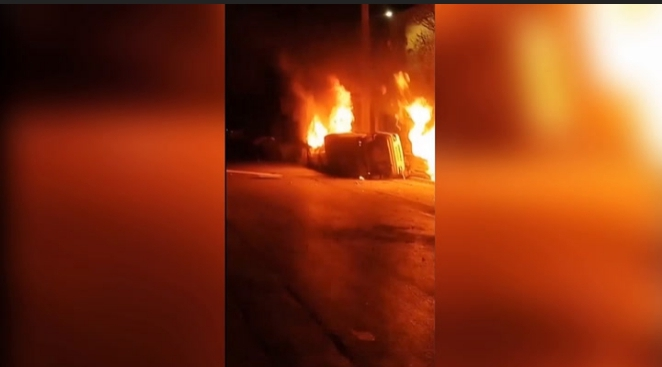
Human rights monitors say at least 35 people have been killed during clashes between protesters and security forces, including four children among the dead.
More than 1,200 people have reportedly been detained as Iranian authorities attempt to suppress demonstrations spreading across major cities and provincial towns.
Intelligence sources say Khamenei’s decision to flee would depend on whether the army and security forces begin to defect or refuse orders.
The contingency plan reportedly includes evacuation routes from Tehran and arrangements for securing foreign assets, cash reserves, and overseas properties.
Up to 20 individuals, including senior advisers and members of Khamenei’s family, would accompany him during a potential evacuation from Iran.
Among those expected to flee is Mojtaba Khamenei, widely regarded as the Supreme Leader’s preferred successor within Iran’s political establishment.
Western intelligence officials believe Moscow is Khamenei’s only viable destination due to long-standing political and strategic ties with Russia.
Former intelligence operatives familiar with Iran’s leadership say Khamenei admires Russian President Vladimir Putin and views Russia as culturally compatible.
Iranian state-linked media have acknowledged injuries among security personnel, reporting hundreds of police officers and Basij militia members wounded.
The protests initially focused on economic grievances but have rapidly evolved into direct political challenges against the Islamic Republic’s leadership.
Chants calling for the overthrow of the system and slogans targeting Khamenei personally have been reported in several cities.
Demonstrators have been heard shouting “Down with the Islamic Republic” and “Death to the dictator,” marking a sharp escalation in rhetoric.
Authorities insist that economic protests are legitimate but accuse demonstrators of exploiting unrest to destabilise the country.
Despite official assurances of dialogue, security forces have responded forcefully, prompting accusations of indiscriminate violence against civilians.
Human rights organisations say Iran’s response mirrors previous crackdowns that relied on mass arrests and lethal force to restore control.
The current unrest, however, has not yet reached the scale of the nationwide protests that followed Mahsa Amini’s death in 2022.
Analysts warn that economic pressures are now deeper, with widening inequality between ordinary citizens and Iran’s clerical elite.
Years of sanctions, corruption, and mismanagement have eroded public confidence in the government’s ability to stabilise living conditions.
Iran’s newly elected president, Masoud Pezeshkian, has called for calm and promised reforms to stabilise the banking and monetary systems.
His administration has pledged to protect purchasing power, though protesters remain sceptical of meaningful change under the current system.
International attention has intensified following warnings from former US president Donald Trump about potential intervention in global unrest.
Those warnings were underscored by recent US actions in Venezuela, which Iranian officials reportedly view as a serious threat precedent.
Despite the regime’s efforts, intelligence assessments suggest loyalty within Iran’s security apparatus is being tested by prolonged unrest.
Any visible fracture within the armed forces could trigger the execution of Khamenei’s long-prepared escape strategy, analysts say.
Read also: Rafah crossing reopening hopes rise as Israel kills two in Gaza despite ceasefire
For now, Tehran remains under tight security as authorities attempt to reassert control over streets and suppress further mobilisation.
Whether Khamenei ultimately flees or survives the crisis may depend on how long Iran’s security forces remain willing to enforce repression.


