Iran national internet became the dominant online gateway for millions of citizens as authorities restricted access to the global web amid sustained nationwide protests. The move marked a decisive escalation in digital control.
Iran national internet was designed as a closed ecosystem, operating independently from the global internet, allowing authorities to maintain internal connectivity while blocking international platforms during unrest.
Researchers monitoring connectivity disruptions explained that the system is intentionally isolated, preventing users from routing traffic outward to the broader internet under any circumstances.
“These systems operate on internal networks,” one researcher said. “If you go to a coffee shop, you’re not going to reach the global internet. It’s impossible to route outwards.”
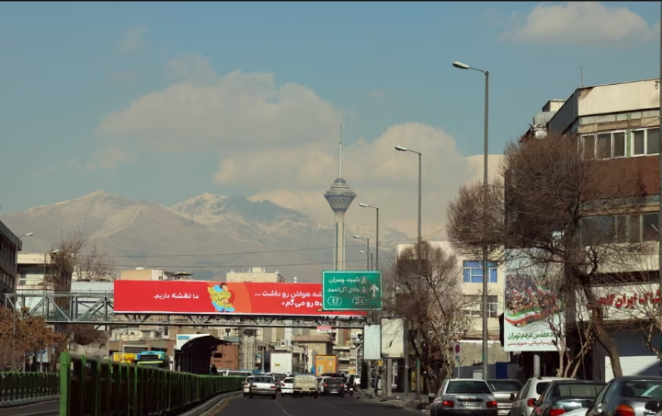
Iran national internet continued functioning throughout protests that followed political tensions, allowing government-approved services such as banking, messaging, and state platforms to remain accessible.
For most Iranians, the national intranet became the only available means of communication, effectively cutting off access to global news, social media, and international services.
Iran national internet has existed in development for years, but analysts say the recent shutdown represents its most comprehensive and coordinated deployment to date.
Digital rights observers noted that while some authoritarian governments have attempted similar measures, Iran’s execution demonstrated unusually advanced technical capabilities.
A former US state department official described the scale of control revealed in recent days as “considerable,” noting it surpassed efforts seen in several comparable regimes.
Iran national internet allowed authorities to maintain economic continuity while suppressing protest coordination, limiting activists’ ability to share footage or communicate with the outside world.
State-linked platforms reportedly experienced increased traffic, as citizens sought alternatives for messaging, payments, and essential online services during the blackout.
However, the isolation also disrupted businesses dependent on international connectivity, including exporters, freelancers, and technology firms relying on cloud-based infrastructure.
Iran national internet may evolve further, experts suggest, potentially expanding functionality to reduce public dissatisfaction while preserving strict government oversight.
Despite its effectiveness, analysts question whether Iran can sustain a permanent parallel online reality without incurring significant economic and social costs.
“The digital rights community is right to raise the alarm,” the former US official said, warning that long-term consequences could be severe for Iranian authorities.
Iran national internet places responsibility for economic harm squarely on the state, as businesses lose access to international markets and payment systems.
Economists caution that prolonged isolation could weaken investor confidence, accelerate capital flight, and deepen unemployment among Iran’s already strained workforce.
Iran national internet also limits academic collaboration, restricting students and researchers from accessing global journals, conferences, and educational platforms.
Human rights groups argue the shutdown undermines freedom of expression, access to information, and the ability to document alleged abuses during protests.
Iran national internet reflects a broader global trend of “digital sovereignty,” where states seek greater control over data, infrastructure, and online narratives.
China and Russia have pursued comparable models, but experts say Iran’s recent actions demonstrate a willingness to fully sever global connectivity when challenged.
Iran national internet may become a blueprint for other governments seeking to balance domestic connectivity with tight political control.
Critics argue that such systems erode the original open architecture of the internet, fragmenting it into state-controlled networks.
Iran national internet has drawn renewed calls for international pressure, with advocacy groups urging technology companies to support circumvention tools.
Yet researchers warn that Iran’s growing technical sophistication makes bypassing restrictions increasingly difficult for ordinary users.
Iran national internet remains inaccessible to outside users, reinforcing the country’s digital isolation and limiting external scrutiny.
As protests continue, observers say the coming weeks will test whether Iran can normalize life under a restricted online environment.
Iran national internet represents not just a technological shift, but a profound transformation in how citizens engage with information, power, and the state.
Iran national internet has also altered how state institutions communicate with the public, as ministries, courts, and security agencies increasingly rely on government-hosted platforms to issue statements and instructions.
Officials argue that these systems ensure stability during periods of unrest, but critics counter that they centralise information flow and eliminate independent verification.
With foreign media sites blocked, citizens are left largely dependent on state narratives, deepening concerns over misinformation and propaganda.
Telecommunications experts say Iran national internet is supported by years of infrastructure investment, including domestic data centres, locally hosted search engines, and state-approved messaging applications.
These tools allow authorities to selectively permit essential services such as fuel distribution, hospital systems, and digital payments, while denying access to platforms viewed as politically destabilising.
Analysts note that this level of granularity reflects long-term planning rather than an improvised response to protests.
Iran national internet has also reshaped daily life for young Iranians, many of whom depend on global platforms for education, remote work, and creative industries.
University students reported difficulties accessing academic resources hosted abroad, while online freelancers lost income overnight due to the inability to communicate with international clients.

Civil society groups warn that repeated shutdowns risk creating a “digital generation gap,” isolating Iranian youth from global knowledge networks.
Looking ahead, specialists say Iran national internet may become more permanent if authorities succeed in expanding domestic alternatives that reduce public resistance.
However, former diplomats and economists stress that legitimacy cannot be engineered through infrastructure alone.
Read also: Sudan food Aid crisis worsens as UN warns supplies could run out
As one analyst observed, the more the state relies on digital containment, the greater the long-term cost to innovation, trust, and economic resilience—factors that no closed network can fully replace.
About The Author