Iran Hormuz oil threat has intensified after the Islamic Revolutionary Guard Corps warned that “not a single drop” of oil or gas will transit the strait if US “aggression” continues. The warning came as the US began its ninth consecutive night of strikes on Iran.
The Guard claimed on Monday it had targeted US aircraft in Jordan’s Aqaba airport with ballistic missiles. It also said two oil tankers had exploded after attempting a southern route through Hormuz.
Reuters reported it could not immediately verify the tanker incident. The Guard gave no details on vessel names, flags, crews or casualties. The statement marked a sharp escalation in rhetoric.
Strait Closure Warning And US Response
The IRGC said the strait would remain unsafe for as long as US operations continued. “This passage will not be safe for the transit of petrochemical products, nor even a single drop of oil and gas,” it warned.
The Guard also told the US military to prepare for a “punitive operation.” The threat directly targets the world’s most critical oil chokepoint, through which about 20% of global oil passes.
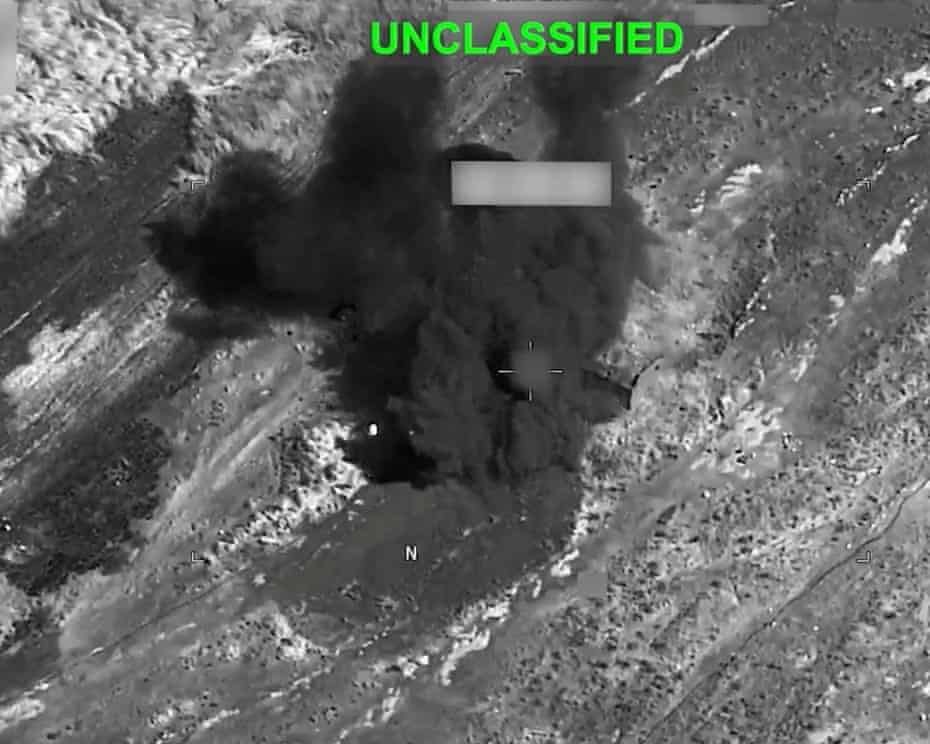
US Central Command said it had “successfully completed” the latest wave of attacks. The targets included Iranian military command centers, air defense, coastal surveillance, and missile sites.
“CENTCOM assets targeted… to further diminish Iran’s ability to attack commercial vessels and civilian mariners transiting the Strait of Hormuz,” the command posted on X.
Oil Markets React Immediately
Price Surge After Latest Strikes
Brent crude for September delivery rose 2.72% to $90.50 a barrel in early Asian trade. It briefly crossed $91, the highest since June.
West Texas Intermediate gained 2.39% to $84.46. Analysts said the jump reflected fears that Hormuz shipping could be disrupted by the widening conflict.
The price move came hours after a vessel was reported on fire eight nautical miles northwest of Kumzar, Oman. The UK Maritime Trade Operations agency said the cause was not yet verified.
Shipping firms are now reassessing routes. Insurance costs for tankers in the Gulf have climbed sharply in the past week as tensions mount.
Regional Strikes Expand
Iran’s retaliation has spread beyond Iran. Kuwait’s army said its air defenses were “confronting attacks” from Iranian drones on Monday morning.
The General Staff urged citizens to “adhere to the security and safety instructions.” Iranian state media later claimed the Ali Al Salem air base was hit.
Bahrain also reported air raid sirens overnight. The interior ministry told residents to head to the nearest safe place. Bahrain hosts the US Fifth Fleet.
In Syria, the Revolutionary Guards claimed a “surprise attack” on an enemy command center in Al-Tanf. The strike was described as revenge for soldiers killed in Iranshahr.
Jordan intercepted missiles on Sunday. The US military said two service members were killed there on Friday while defending against Iranian attacks.
US Political Messaging
President Donald Trump said the strikes were carried out to honor American troops killed in recent days. “We hit them very hard again tonight,” he told reporters after the World Cup final.
Trump said “probably three great patriots” had died. One US service member was killed in Iraq during a controlled detonation of a downed Iranian drone on Saturday.
Secretary of State Marco Rubio said Iran is using Hormuz as leverage. “It’s clear that Iran – at least some people in Iran – want to control the straits and hold that as leverage against the world,” he said.
Rubio called on other nations to “step up” with hardware or funding to protect shipping. He was speaking ahead of an Asean foreign ministers meeting in the Philippines.
On diplomacy, Rubio said the US remains open. “I think we’re always open to diplomacy. It has to be real. It has to be a deal that they’re willing to live by.”
Israel Warns Of Wider War
Israeli Defense Minister Israel Katz warned Iran directly. “If Iran fires missiles at Israel, we will attack them with full force,” he said on Sunday.
The US is expected to send dozens of additional refueling planes to Israel. Officials said the move is part of a reinforcement of force posture in the region.
Israel has watched strikes spill toward its neighbors with concern. The risk of a direct regional conflict has risen since an interim peace deal collapsed last month.
Iran’s Supreme Leader Ayatollah Mojtaba Khamenei said the US would pay for trying to “escalate” the conflict. Iranian media reported strikes on 95 locations across 12 cities in 10 days.
Human And Military Toll
The US military confirmed 17 American fatalities since hostilities resumed. The latest deaths include the two in Jordan and one in Iraq.
Iran’s health ministry said 50 people had been killed and more than 500 injured in US strikes over the past three weeks. Independent verification of those figures has not been possible.
Explosions were reported overnight in Tabriz, Chabahar, Konarak, Bandar Mahshahr and Bandar Imam Khomeini. Iranian state media said there was no immediate word on casualties.
The attack on Tabriz in northwest Iran suggests US targeting is expanding beyond the south and Hormuz area. Commanders have cited a need to degrade launch sites nationwide.
Shipping Industry On Edge
The Hormuz strait is 21 miles wide at its narrowest point. Roughly 17 million barrels of oil pass through daily. A closure would send shockwaves through energy markets.
The UKMTO advised vessels to “transit with caution.” Several shipping companies have already rerouted tankers around the Cape of Good Hope, adding weeks to delivery times.
Rubio’s call for burden-sharing reflects US frustration. Washington wants Gulf states, Europe and Asian importers to contribute more to maritime security.
So far, no major oil producer has announced a naval task force. Talks are ongoing at the UN and within Asean about joint patrols.
Diplomacy At A Standstill
The interim agreement signed last month has effectively collapsed. Both sides accuse the other of violating its terms on missile testing and shipping security.
Iran says US strikes have hit civilian infrastructure, including an under-construction nuclear plant. The US says it is targeting only military sites used to attack ships.
Analysts say a return to talks is unlikely while strikes continue. The Revolutionary Guard’s oil threat makes negotiation harder, not easier.
Markets will watch closely for any sign of de-escalation. For now, traders are pricing in a risk premium that could push oil above $100 if a tanker is confirmed hit.
What Happens Next
The US says strikes will continue until Iran stops attacking commercial vessels. Iran says it will keep Hormuz closed until “aggression” ends.
That standoff leaves the global economy exposed. Even a partial disruption could trigger fuel shortages and inflation spikes worldwide.
Regional allies are bracing for more attacks. Kuwait, Bahrain and the UAE have all increased air defense alerts in the last 48 hours.
For civilians in Iran, the war is bringing blackouts and supply shortages. In Gulf capitals, it is bringing sirens and shelter drills.
The next 72 hours will be critical. If oil does stop flowing through Hormuz, the economic fallout will be immediate and severe.
Read also: Zohran Mamdani Netanyahu arrest plan sparks legal and political debate
For now, the message from Tehran is clear. “Not a single drop” will move until the US backs down. Washington’s answer has been more strikes.
The world is watching both sides, hoping diplomacy resumes before the strait becomes a battlefield.
About The Author