US troops killed Iran operation after three American service members were confirmed dead “in action” during ongoing combat missions, according to the US military’s Central Command, marking a dangerous turning point in Washington’s escalating confrontation with Iran.
The fatalities were announced by United States Central Command, which said the troops were killed during Operation Epic Fury, the expanding US-led military campaign launched following coordinated aerial strikes against Iranian targets.
In an official statement posted on X, Centcom said that as of 9:30am Eastern Time on March 1, three US service members had been killed and five others were “seriously wounded”.
Several additional personnel suffered “minor shrapnel injuries and concussions” but are already being processed for return to duty, according to the statement, which described the situation as part of “major combat operations”.
These are the first confirmed American casualties since the United States and Israel launched aerial attacks that killed Iran’s supreme leader, an act that dramatically escalated tensions across the Middle East.
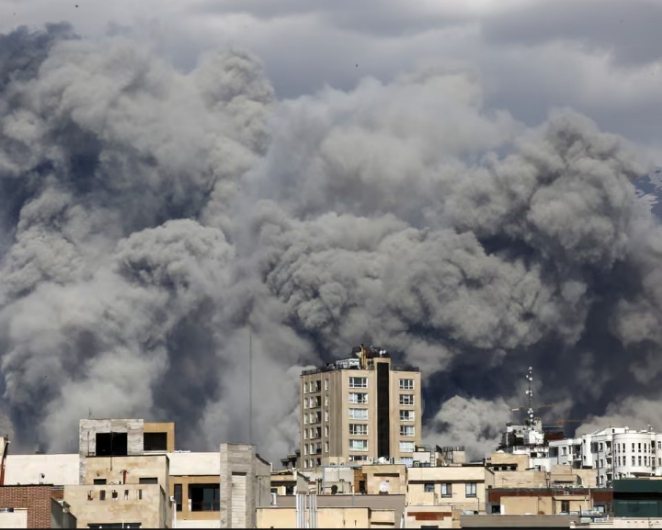
Military officials have not released the names of the fallen troops, citing standard protocol requiring a 24-hour notification period for families before identities are made public.
Pentagon sources said operational details surrounding the incident remain classified, including the precise location of the engagement and whether the deaths resulted from missile fire, drone strikes, or ground combat.
Centcom described the campaign as an “ongoing response effort”, warning that combat operations remain active and that the situation on the ground is fluid and “rapidly evolving”.
The announcement that US troops killed Iran operation signals a new and dangerous phase in the conflict, transforming what had been framed as a targeted strike campaign into a war now claiming American lives.
Political leaders in Washington reacted swiftly, with several lawmakers describing the deaths as a “sobering reminder” of the human cost attached to military escalation.
Some members of Congress have called for further briefings, questioning whether the scope of Operation Epic Fury could widen beyond its stated objectives.
The White House has defended the operation as “necessary and proportionate”, arguing that it was carried out in response to mounting regional threats and long-standing hostilities.
Iranian officials, meanwhile, have vowed retaliation, warning that American forces in the region are now “legitimate targets” as tensions continue to rise.
Security analysts say the deaths could harden domestic opinion in the United States, potentially rallying public support behind the military effort or intensifying demands for restraint.
The broader geopolitical implications are significant, particularly given Israel’s role in the initial strikes and the fragile balance of power across the region.
Since the killing of Iran’s supreme leader, pro-Iranian militias have issued threats against US bases and naval assets stationed throughout the Middle East.
While the Pentagon has reinforced air defence systems and placed additional forces on heightened alert, officials acknowledge the risks have increased sharply.
The five seriously wounded service members are receiving advanced medical care, though Centcom declined to provide further updates on their conditions.
Defense officials emphasised that American forces remain “fully mission capable” despite the losses, and that operational tempo has not been reduced.
Military historians note that the first confirmed fatalities in any campaign often serve as a psychological inflection point, reshaping public perception and political debate.
The phrase “killed in action” carries symbolic weight within the US armed forces, denoting direct combat death rather than accident or illness.
It remains unclear whether the attack that resulted in the deaths was anticipated intelligence-wise or if it came as part of an unexpected escalation.
Regional observers warn that retaliation cycles between Washington and Tehran could accelerate, increasing the likelihood of further casualties.
Financial markets reacted cautiously to the news, with oil prices experiencing volatility amid fears of supply disruption.
The international community has called for restraint, with several allied governments urging both sides to avoid steps that could “ignite a wider war”.
Despite such appeals, military officials insist that operations will continue until strategic objectives are met.
Operation Epic Fury was launched with the stated goal of degrading Iranian military capabilities and deterring further aggression.
However, critics argue that killing Iran’s supreme leader transformed a limited strike campaign into a high-risk confrontation with unpredictable consequences.
The United States maintains thousands of troops across bases in the region, many now facing heightened threat levels.
Security measures around diplomatic missions have also been increased, reflecting concerns about retaliatory attacks.
For families of the fallen service members, the strategic debate is secondary to personal loss.

Under longstanding policy, identities of those killed will only be released once next of kin have been notified and given time to process the news.
Veterans’ groups have expressed condolences, describing the troops as having made the “ultimate sacrifice” in service of their country.
The administration faces mounting pressure to clarify long-term objectives and define what success in this campaign would look like.
Some analysts warn that absent a clear exit strategy, the conflict could become protracted.
Others argue that decisive military action now may prevent a broader and bloodier confrontation later.
The phrase US troops killed Iran operation now marks a stark milestone in the unfolding crisis.
Public opinion polls are expected to gauge whether Americans support continued engagement or prefer diplomatic recalibration.
Meanwhile, Iran’s leadership has framed the conflict as a matter of national sovereignty and resistance.
Regional allies are closely monitoring developments, wary of being drawn further into hostilities.
The coming days may prove pivotal, particularly if retaliatory strikes expand beyond current theatres.
Pentagon officials insist they are prepared for “all contingencies”, including potential escalation.
Whether this confrontation remains contained or spirals into something larger may depend on decisions made in Washington and Tehran in the hours ahead.
Read also: Horrific tragedy for Iran as fire that killed El-Kanemi also claims daughter and grandchild
For now, the confirmation that US troops killed Iran operation stands as the clearest indication yet that the conflict has entered a more lethal and unpredictable stage.
About The Author