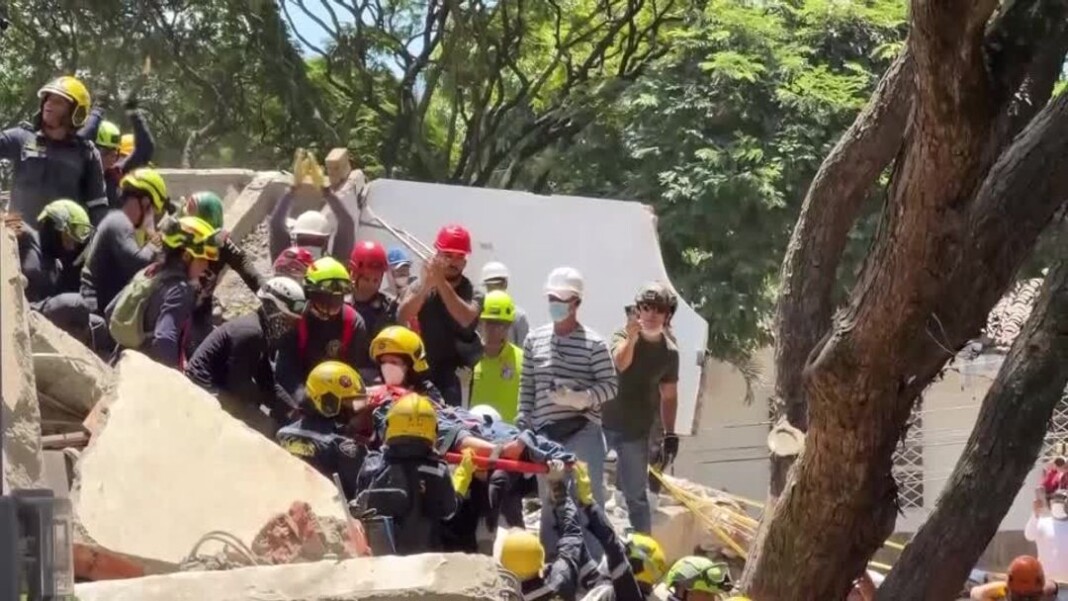

The Indonesia earthquake has killed at least 20 people after a powerful magnitude-7.7 tremor struck eastern Indonesia, triggering landslides, building collapses, evacuations and a temporary tsunami warning.
Powerful Earthquake Strikes Eastern Indonesia
The earthquake struck in the early hours of Saturday, sending powerful tremors across several provinces and causing residents to flee their homes as buildings shook violently.
The Indonesian geophysics agency BMKG recorded the first major tremor at 4:58 a.m. local time at a depth of approximately 15 kilometres.
Dozens of aftershocks followed the main earthquake, keeping residents and emergency workers on alert as authorities assessed the extent of damage.
Strong Shaking Reported Across Provinces
Strong shaking was reported across East Nusa Tenggara, West Nusa Tenggara and parts of South Sulawesi, with residents in several locations saying the tremor lasted approximately one minute.
The national disaster mitigation agency said many residents immediately scattered from their homes after feeling the powerful shock.
Nona, a 51-year-old resident of Talibura, described the terrifying moments when the earthquake struck while her family was inside their home.
“The quake was massive, the shock was so strong, we were resting at home with family,” she said.
“There were 13 of us inside the house and we all ran to save ourselves,” Nona added, describing the desperate scramble to escape the shaking building.
Death Toll Rises as Rescuers Search Rubble
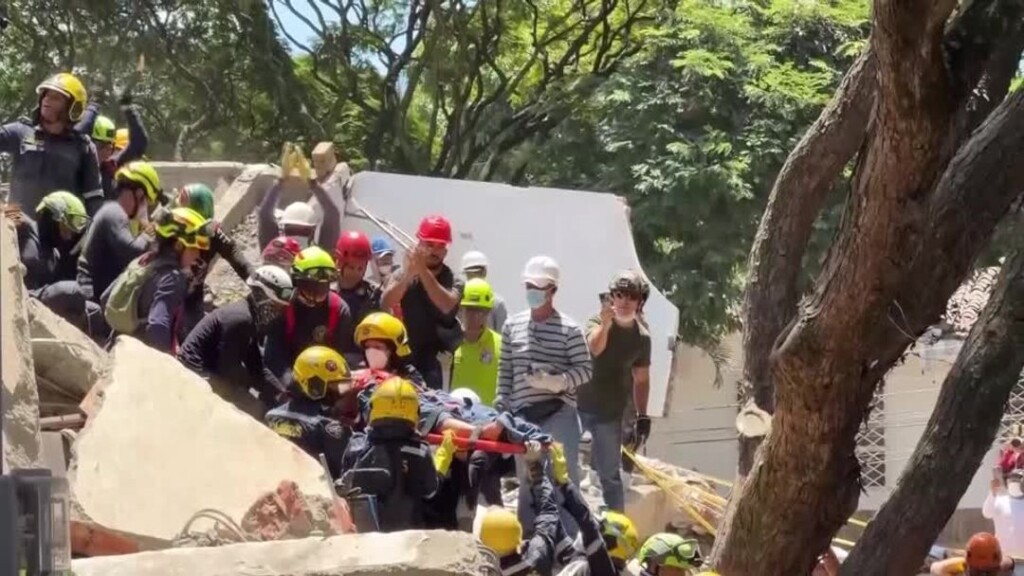
The Indonesia earthquake death toll rose as rescue workers searched damaged areas for people trapped beneath collapsed structures.
Fathur Rahman, head of the rescue agency in Maumere, said rescuers had found 20 dead, six injured and two people trapped under rubble around the port town.
Maumere Rescue Operations Continue
Maumere, the main town in Sikka Regency on Flores Island, became one of the key areas where emergency teams concentrated their rescue and recovery operations.
The situation remained difficult in several locations because roads were blocked by landslides and communication signals had been disrupted.
Rescue teams had yet to reach Nagekeo, the area closest to the earthquake’s epicentre, according to Rahman.
Attempts to reach the region by road were reportedly blocked by landslides, while another rescue team attempted to travel by ferry.
Authorities said approximately 2,000 residents in Nagekeo were evacuated as officials assessed damage to houses, warehouses and government facilities.
Traffic congestion and electricity outages were also reported across parts of the regency, adding to the challenges facing emergency responders.
Conflicting Early Casualty Figures
The initial casualty figures released by Indonesian authorities differed significantly from those reported by local rescue officials as emergency teams continued gathering information.
The national disaster mitigation agency initially reported one death and four injuries while warning that assessments were still ongoing.
Governor Reports Additional Deaths
The governor of East Nusa Tenggara, Emanuel Melkiades Laka Lena, told reporters that at least five people had died after rubble collapsed on them while they were sleeping.
The conflicting figures reflected the difficulty of establishing the full impact of the Indonesia earthquake in remote and heavily affected areas.
Authorities were expected to revise the casualty figures as rescue teams reached isolated communities and communications were restored.
Tsunami Warning Lifted After Three Hours
The powerful undersea earthquake also prompted authorities to issue a tsunami warning, raising fears that coastal communities could face dangerous waves.
However, tsunami waves measuring less than one metre were recorded in several areas before the warning was lifted approximately three hours after the earthquake.
No Tsunami Threat to Australia
Australia’s tsunami warning centre said the earthquake posed “no tsunami threat to the Australian mainland, islands or territories.”
The warning’s eventual cancellation reduced fears of a wider coastal disaster, although Indonesian authorities continued monitoring the situation because of continuing aftershocks.
Hospitals also took precautionary measures, with a hospital in Ende moving patients outside after the earthquake.
Local reports also indicated that at least one landslide occurred in the area, highlighting the secondary hazards created by the powerful tremor.
Buildings Collapse as Residents Flee
Videos verified by Reuters showed debris and dust surrounding collapsed structures in Golo Lewe village, while people could be heard screaming and running through the streets.
The destruction demonstrated the force of the Indonesia earthquake, which struck while many residents were still sleeping or resting inside their homes.
Landslides Block Rescue Routes
The earthquake’s impact was compounded by landslides that blocked roads leading toward some of the hardest-hit areas.
For rescue teams, inaccessible roads and damaged communications created additional obstacles as they attempted to locate survivors and determine the scale of destruction.
The emergency response therefore involves not only searching collapsed buildings but also restoring access to communities cut off by landslides.
Indonesia Sits on Pacific Ring of Fire
Indonesia is particularly vulnerable to earthquakes because it sits along the Pacific Ring of Fire, one of the world’s most seismically active regions.
The area is located where several tectonic plates meet, producing frequent earthquakes and volcanic activity across the Indonesian archipelago.
Region Has Experienced Major Earthquakes
The area affected by Saturday’s earthquake has experienced devastating seismic activity before.
According to Indonesian authorities, the same region was struck by a magnitude-7.5 earthquake in 1992, which caused extensive destruction.
The latest disaster has therefore renewed attention on earthquake preparedness, building safety and emergency response capabilities across eastern Indonesia.
Rescue Efforts Remain Underway
As rescue teams continue searching damaged communities, authorities face the urgent task of locating trapped residents, treating injured people and providing shelter for thousands who evacuated their homes.
The Indonesia earthquake has already caused deaths, injuries, structural damage and major disruption, but the final scale of the disaster remains uncertain.
Read also: Trump orders Navy back to steam catapults, allows ships built abroad
With aftershocks continuing and some affected areas still inaccessible, emergency officials are expected to update casualty and damage figures as rescue operations progress.
For residents across eastern Indonesia, the immediate priority remains survival and safety as authorities work to reach isolated communities and determine the full consequences of one of the region’s most powerful recent earthquakes.
About The Author