

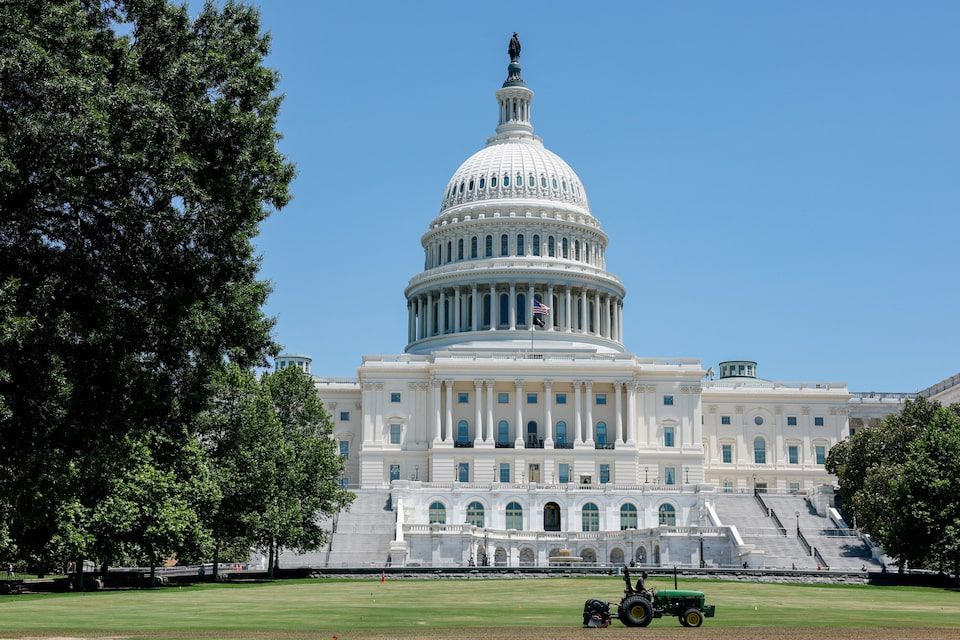
The ICE funding bill cleared the U.S. Senate in a narrow vote early Friday, handing President Donald Trump a significant legislative victory and advancing a massive $70 billion immigration enforcement package to the House of Representatives.
The measure would provide the Department of Homeland Security with billions of dollars in additional funding for immigration enforcement operations over the next three years, strengthening the administration’s efforts to expand deportations and border security measures.
However, lawmakers failed to approve amendments aimed at eliminating Trump’s controversial “anti-weaponization” fund, setting the stage for continued political battles over the initiative.
The Senate approved the legislation in a 52-47 vote, with no Democratic support and only one Republican, Senator Lisa Murkowski of Alaska, voting against the bill.
The outcome marks a major win for the White House as Trump continues to push an aggressive immigration agenda ahead of the November midterm elections. According to Reuters, the legislation now heads to the House of Representatives, where lawmakers are expected to consider it next week.
Senate Delivers Major Victory for Trump
Passage of the ICE funding bill represents one of the most important immigration victories for the Trump administration this year.

The legislation would inject an additional $70 billion into immigration enforcement programs, with most of the money directed toward Immigration and Customs Enforcement (ICE) and the U.S. Border Patrol.
The funding is designed to support the administration’s ongoing deportation campaign, which has become one of the defining policies of Trump’s second term in office.
Republicans argued that the measure is necessary to strengthen border security, expand enforcement operations, and provide additional resources to agencies responsible for carrying out immigration laws.
Supporters say the bill will help authorities address illegal immigration, increase detention capacity, and improve operational capabilities along the southern border.
Senate Republican Leader John Thune dismissed concerns raised by Democrats and defended the legislation as a necessary investment in national security and immigration enforcement.
Controversy Over Trump’s Anti-Weaponization Fund
Much of the debate surrounding the legislation centered not on immigration enforcement itself but on Trump’s proposed anti-weaponization fund.
The fund, valued at approximately $1.8 billion, has generated intense criticism from Democrats and some Republicans who fear it could be used to compensate political allies who claim they were unfairly targeted by government investigations or legal actions.
Democratic lawmakers repeatedly attempted to insert language into the bill that would permanently eliminate the fund.
Those efforts ultimately failed.
Senate Democratic Leader Chuck Schumer described the initiative as a “slush fund” and criticized Republicans for refusing to block it through legislation.
“Republicans refused to permanently outlaw Trump’s $2 billion slush fund, leaving taxpayers to rely on nothing more than a promise from Donald Trump’s personal fixer,” Schumer said after the vote.
The comments reflected broader Democratic concerns that the fund could create a precedent for politically motivated compensation programs funded by taxpayers.
Republican Divisions Emerge
Although Republicans ultimately united behind the ICE funding bill, the debate exposed notable divisions within the party.
Several Republican senators expressed reservations about the anti-weaponization fund and sought amendments that would formally prohibit its implementation.
Senator Susan Collins broke ranks and voted alongside Democrats during an early procedural vote aimed at eliminating the fund.
She was later joined by Republican Senators Jon Husted and Dan Sullivan.
The challenge ultimately failed, but it highlighted growing discomfort among some Republican lawmakers.
Senator Thom Tillis also attempted to address the controversy by proposing an amendment that would redirect money from the fund toward fraud enforcement efforts.
His proposal failed to gain sufficient support.
Despite their concerns, most Republicans ultimately voted in favor of the broader immigration package.
Political analysts note that many GOP lawmakers are attempting to balance loyalty to Trump with concerns about potential voter backlash ahead of the upcoming midterm elections.
Trump Signals Continued Support
While Justice Department officials have suggested the anti-weaponization fund may not move forward, Trump himself has continued to express support for the initiative.
Speaking to reporters earlier this week, the president emphasized its importance.
“I love it. I think it’s so important,” Trump said when asked about the program.
His comments fueled uncertainty about the fund’s future and reinforced Democratic arguments that legislative safeguards are needed to prevent it from being activated.
Republican leaders, however, pointed to testimony from Acting Attorney General Todd Blanche, who reportedly told lawmakers that the Justice Department does not intend to proceed with the fund.
Thune said he believed those assurances should be taken seriously.
“I find it very hard to believe that they’re going to submit somebody who sat in front of a committee in the House and made definitive statements about this and then somehow all of a sudden turn around and go back on them,” Thune told reporters.
Still, skepticism remains among both Democrats and some Republicans.
Immigration Enforcement Remains Central Issue
Beyond the controversy surrounding the fund, the legislation underscores the administration’s commitment to expanding immigration enforcement.
The additional funding would provide significant resources to ICE and Border Patrol operations, allowing the government to continue large-scale deportation efforts and strengthen border security initiatives.
The administration argues that increased enforcement is necessary to address ongoing challenges at the border and ensure compliance with immigration laws.
Critics counter that existing agencies already possess substantial resources and question whether additional billions of dollars are necessary.
Democrats have also raised concerns about the humanitarian impact of expanded detention and deportation operations.
Nevertheless, Republicans maintain that voters continue to prioritize immigration enforcement and border security.
The issue remains one of Trump’s strongest political advantages heading into the next election cycle.
House Vote Looms
The bill’s future now rests with the House of Representatives, where lawmakers are expected to begin debating the legislation in the coming days.
Republicans are optimistic that the measure will receive sufficient support to reach the president’s desk.
However, Democrats are expected to continue challenging provisions related to the anti-weaponization fund and broader immigration enforcement policies.
If approved by the House, the package would represent one of the largest immigration enforcement funding increases in recent years.
The outcome could have significant implications for the administration’s deportation strategy, federal immigration policy, and the political landscape leading into the midterm elections.
Political Stakes Continue to Rise
The battle over the ICE funding bill illustrates the increasingly sharp divide between Republicans and Democrats on immigration policy.
For Trump, passage of the legislation represents evidence that his administration is delivering on promises to strengthen border security and expand immigration enforcement.
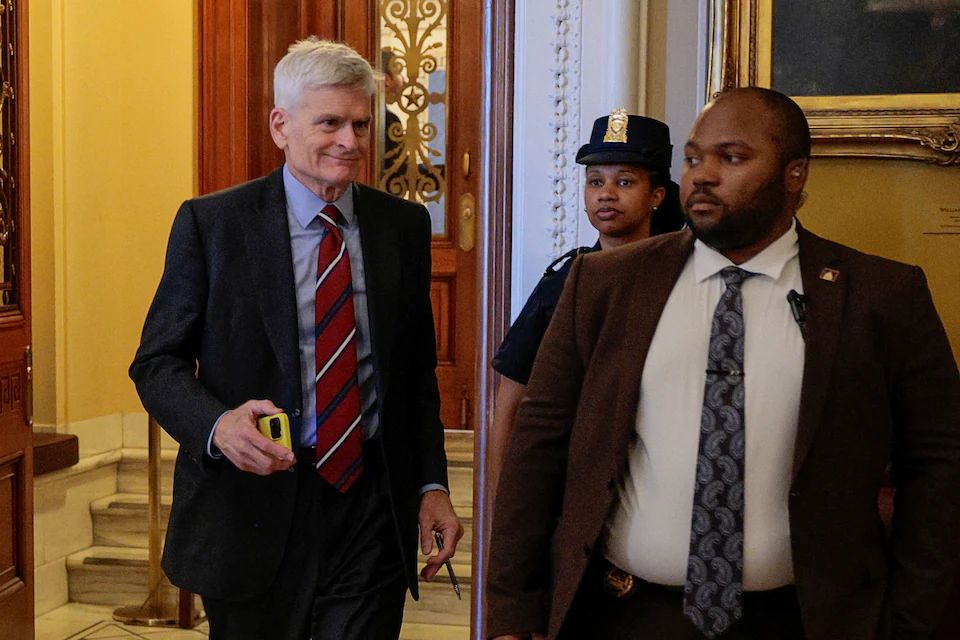
For Democrats, the vote serves as another example of what they view as excessive government spending on enforcement initiatives while controversial programs such as the anti-weaponization fund remain unresolved.
As the legislation moves to the House, the political debate is likely to intensify.
With immigration expected to remain a central issue in the 2026 midterm campaigns, the outcome of the bill could shape both policy and politics for months to come.
About The Author


