

The House of Representatives has initiated an investigation into the stalled $35m modular refinery project in Brass, Bayelsa State — a venture once hailed as a symbol of Nigeria’s local refining ambition but now mired in controversy and alleged financial mismanagement.
The resolution was adopted during Wednesday’s plenary session after Hon. Billy Osawaru, representing Orhionmwon/Uhunmwode Federal Constituency in Edo State, raised a motion of urgent public importance on the need to unravel the circumstances surrounding the abandoned $35m modular refinery project.
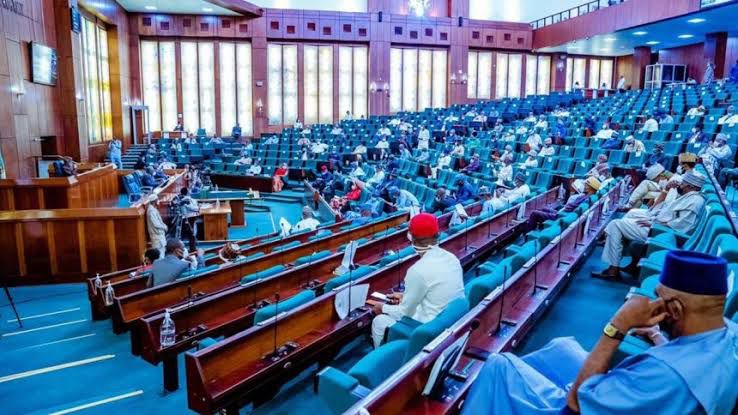
Lawmakers Move to Uncover the Fate of the $35m Modular Refinery Project
Osawaru described the situation as “a national embarrassment and a profound waste of public funds,” adding that despite the substantial financial commitment made by the Nigerian Content Development and Monitoring Board (NCDMB) in partnership with the Atlantic International Refinery and Petrochemical Limited, no tangible progress has been recorded since the project’s conception.
According to him, the refinery — designed to process 2,000 barrels of crude oil per day — was envisioned to boost domestic refining capacity, enhance indigenous participation, and promote job creation within the petroleum sector.
However, four years after its announcement, “there is nothing on ground to justify the over N50bn equivalent investment,” he said.
The project, situated in the oil-rich Brass Island of Bayelsa State, was part of the Federal Government’s drive to develop modular refineries that would reduce dependence on fuel imports and enhance energy security.
The $35m modular refinery project was also expected to complement the Nigerian National Petroleum Company Limited’s efforts in achieving self-sufficiency in petroleum refining.
House Expresses Concerns Over Possible Mismanagement and Corruption
Osawaru revealed that the $35m modular refinery project has drawn the attention of the Economic and Financial Crimes Commission (EFCC), following petitions submitted by stakeholders in May 2024.
The petitions reportedly urged the anti-graft agency to probe the financial transactions involving the NCDMB and its partners.
He lamented that nearly a year after the petitions were filed, no public update has been provided on the investigation, fueling suspicion of potential mismanagement and inadequate oversight of public funds.
“The continued silence and inactivity surrounding this refinery raise fundamental questions about transparency and accountability in the management of national resources,” Osawaru stated.
“It is not just about one project; it reflects a deeper problem in our public investment ecosystem where billions of naira are committed without results.”
House Committees to Investigate $35m Modular Refinery Project
The motion received overwhelming support from lawmakers, with Deputy Speaker Benjamin Kalu presiding over the session.
The House subsequently mandated its Committees on Petroleum Resources (Downstream and Midstream) to conduct a thorough investigation and submit a comprehensive report within four weeks.
Lawmakers stressed that the probe must not only address the whereabouts of the $35m modular refinery project funds but also examine the contractual framework, project monitoring process, and the NCDMB’s role in ensuring due diligence.
They also called for the publication of detailed progress reports from all involved entities, including Atlantic International Refinery and Petrochemical Limited, to ensure transparency and restore public trust in government-led refinery initiatives.
A Symbol of Nigeria’s Refinery Challenges
The abandoned $35m modular refinery project underscores a broader challenge facing Nigeria’s oil and gas sector — the persistent gap between policy ambition and implementation reality.
While modular refineries were introduced to encourage private sector participation in refining and reduce pressure on the country’s foreign exchange, many of the licensed projects have either stalled or failed to take off due to regulatory bottlenecks, funding issues, and weak oversight.
Economic analysts note that the Brass project, if completed, could have been a game-changer for the Niger Delta region, providing direct employment opportunities, supporting small-scale suppliers, and contributing to the region’s industrial development.
Instead, the project’s abandonment has further eroded confidence in Nigeria’s refinery development strategy.
Stakeholders argue that this case demonstrates the urgent need for accountability, especially as Nigeria continues to import a significant percentage of its refined petroleum products.
Reactions and Implications for the Oil Sector
Industry experts have described the probe as a welcome development that could pave the way for improved transparency in public-private investment partnerships.
According to energy analyst Mfon Ekong, “If properly executed, the investigation into the $35m modular refinery project could reveal systemic weaknesses in project management and help strengthen Nigeria’s refining capacity policy.”
Others, however, expressed skepticism, citing past instances where similar probes ended without meaningful action.
“This must not be another political show,” said an oil sector stakeholder who preferred anonymity.
“The public deserves to know what happened to the funds and why the refinery remains uncompleted despite huge investment.”
Commitment to Accountability and Economic Recovery
In his concluding remarks, Osawaru emphasized that the investigation is not intended to witch-hunt individuals but to ensure that public resources are utilized efficiently and that Nigeria’s long-term goal of refining independence is not derailed.
He reaffirmed the House’s commitment to follow up on the committees’ findings and ensure that responsible parties are held accountable.
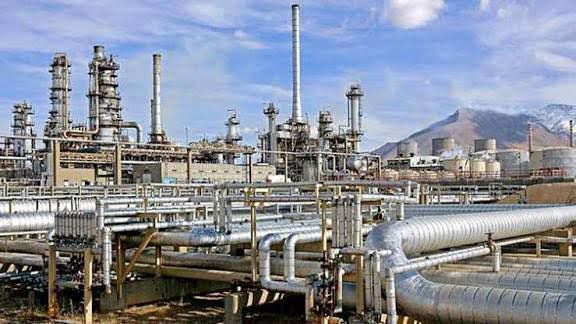
“We owe Nigerians transparency and results. Every dollar committed to this $35m modular refinery project must be accounted for,” he declared.
The committees are expected to begin stakeholder engagements in the coming weeks, with the findings likely to shape future policy decisions on modular refinery investments in the country.
As Nigeria battles economic pressures and seeks to revitalise its oil refining landscape, the ongoing investigation into the $35m modular refinery project serves as a litmus test for the government’s commitment to accountability, transparency, and sustainable energy development.
By scrutinizing the project’s financial trail and implementation lapses, the National Assembly may not only restore public trust but also set a new standard for responsible management of Nigeria’s vast oil wealth.
About The Author


