


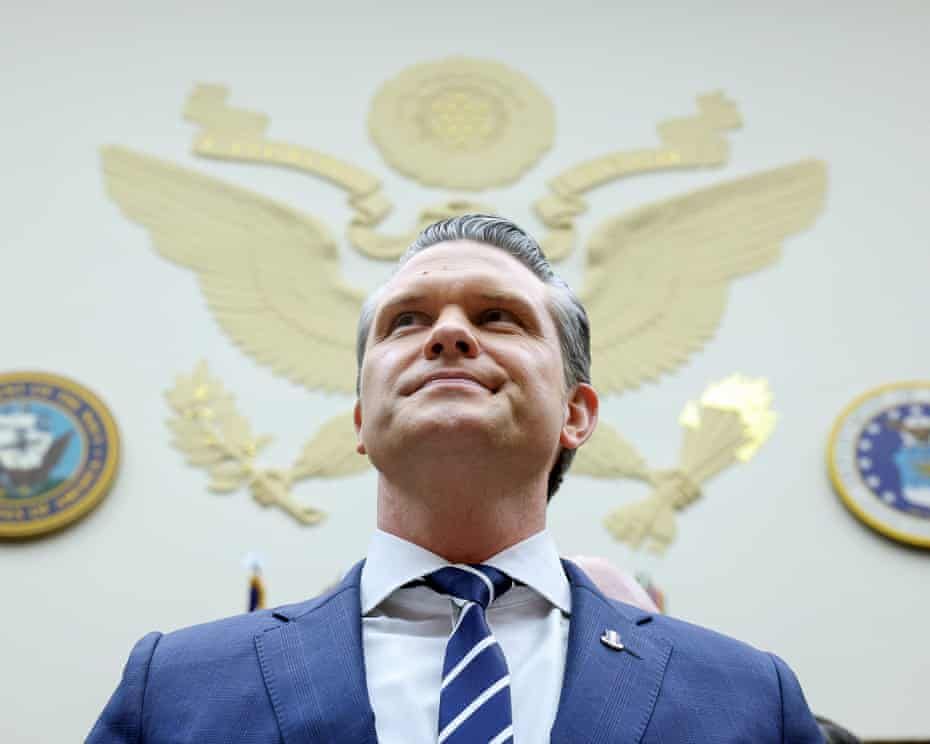
Hegseth Iran war grilling intensifies as US defense secretary Pete Hegseth faces mounting pressure from lawmakers over the cost, direction, and consequences of the escalating conflict with Iran.
The second day of hearings saw senators sharpen their tone, questioning strategy, financial burden, and the long-term implications of a war reshaping global politics and economic stability rapidly.
Reuters reported that Democrats led criticism, arguing the administration failed to present a clear exit strategy while costs continue rising in financial terms and geopolitical fallout across multiple sensitive regions worldwide.
California Democrat John Garamendi described the situation as an “astounding incompetence” that has triggered “political and economic disaster at every level” domestically and across international diplomatic engagements.
He added, “The president has gotten himself and America stuck in a quagmire of another war in the Middle East,” stressing urgency for immediate strategic reassessment.

Hegseth strongly rejected those claims, insisting the operation remains effective and necessary despite growing criticism from Democrats and some Republicans concerned about sustainability and long-term geopolitical risks emerging.
Responding forcefully, Hegseth said, “Your hatred for president Trump blinds you to the truth of the success of this mission … you call it a quagmire.”
He continued his defense by adding, “Shame on you for that statement,” highlighting deep divisions within Washington over interpretation, direction, and ultimate goals of the ongoing military engagement.
Senate scrutiny deepens amid rising global tensions
Lawmakers focused heavily on financial scale, with Pentagon estimates suggesting costs have reached tens of billions, raising serious concerns about national budget priorities and economic strain.
The proposed defense budget, expected to reach historic levels, has further fueled debate, with critics arguing increased spending may not translate into clearer outcomes or measurable strategic success.
Meanwhile, Senate leaders are preparing additional votes on war powers resolutions, signaling ongoing resistance within Congress to unchecked executive authority in sustaining prolonged overseas military engagements.
Senate minority leader Chuck Schumer vowed continued pressure, stating lawmakers will “continue to force votes every week as this war rages on” across multiple volatile regions globally.
Beyond Washington, the conflict has triggered significant global reactions, particularly in energy markets, where uncertainty surrounding supply routes has pushed prices sharply upward in recent trading sessions.
Oil prices surged past $126 per barrel, reflecting market fears about prolonged disruptions, especially as tensions intensify around critical shipping lanes in the Persian Gulf region.
President Donald Trump contributed to the escalation narrative by warning the blockade of Iranian ports could continue “for months if needed,” raising concerns among global investors.
Trump further described the pressure strategy, saying, “They are choking like a stuffed pig,” a remark that has drawn both criticism and support across political and diplomatic communities.
Khamenei issues stark warning as conflict escalates
Iran’s supreme leader Mojtaba Khamenei responded with strong rhetoric, declaring foreign forces have no place in regional waters “except at the bottom of its waters.”
He emphasized Iran’s determination to defend its capabilities, stating the country would protect its “nuclear and missile capabilities” as essential national assets against external threats.
Khamenei framed the conflict as a broader regional struggle, suggesting the future of the Persian Gulf would be shaped without foreign intervention or influence from distant powers.
His statement reflects growing tensions between the United States and Iran, with both sides signaling unwillingness to retreat from positions despite increasing global concern and diplomatic pressure.
The situation has raised alarms among international observers, who warn continued escalation could destabilize key economic and security structures across continents and major global alliances.
Analysts note closure or restriction of vital shipping routes could have lasting impacts on global trade, energy supply chains, and diplomatic relations among major world powers.
Back in Washington, lawmakers remain divided, with some supporting the administration’s stance while others call for immediate reassessment and de-escalation measures to reduce risks.
Republican voices have also begun expressing caution, highlighting the need for clearer communication and strategic transparency to maintain both domestic and international confidence moving forward.
The Pentagon defended its approach, arguing pressure tactics are necessary to achieve long-term objectives, including limiting Iran’s regional influence and broader military capabilities effectively.
However, critics argue the absence of a clear endpoint risks prolonging the conflict indefinitely, increasing both human and economic costs without guaranteed strategic or diplomatic outcomes.
Hearings also addressed concerns about military readiness, including depletion of critical resources and the strain on personnel involved in sustained operations across multiple global theaters.
Defense officials acknowledged challenges but maintained current capabilities remain sufficient to continue operations while adapting to evolving threats and strategic requirements in a changing battlefield environment.
Economic analysts warn prolonged instability could further strain global markets, particularly if disruptions extend beyond energy into broader trade systems and international financial stability concerns.
Read also: Strait of Hormuz crisis: US pushes coalition to restore global shipping flow
Investors have reacted cautiously, with volatility increasing across multiple sectors as uncertainty surrounding the conflict continues to grow and reshape global economic expectations significantly.
Diplomatic efforts appear limited, with both sides maintaining hardline positions that reduce likelihood of immediate negotiations or meaningful conflict resolution in the near term globally.
International organizations have called for restraint, urging all parties to consider broader implications of continued escalation on global peace, economic stability, and humanitarian conditions worldwide.
The evolving situation places pressure on allied nations, many balancing support for the United States with concerns about regional instability and potential economic consequences from prolonged conflict.
European leaders expressed unease, emphasizing diplomatic engagement and warning against actions that could further inflame tensions and complicate already fragile geopolitical relationships worldwide.
Within the United States, public opinion remains divided, with debates intensifying over necessity, cost, and potential outcomes of the ongoing military engagement in the Middle East.
Media coverage continues highlighting contrasting narratives, reflecting broader political divisions and differing interpretations of success, failure, and long-term strategic goals across competing interests.
As the situation unfolds, attention remains focused on Washington, Tehran, and global markets, where decisions made in coming days could significantly influence future geopolitical and economic trajectories.
Observers agree stakes remain high, with potential consequences extending beyond immediate military considerations into broader geopolitical, economic, and diplomatic domains affecting global stability significantly.
The coming weeks are expected to be critical, as policymakers, military leaders, and international actors navigate an increasingly complex and uncertain global security environment.
Do you think the US can sustain this war strategy, or is the pressure becoming too much? Drop your thoughts in the comment box.