

“Iran rejects US ceasefire and submits own terms” after dismissing a proposal delivered through intermediaries, with Tehran insisting it will end the war on its own timeline and conditions despite US pressure for negotiations.
The rejection highlights deep mistrust between Washington and Tehran, as officials in Iran question the intentions behind the proposal and resist pressure to accept conditions they consider heavily one-sided.
Iranian authorities signaled that any agreement must align strictly with national interests, emphasizing sovereignty and strategic control over key assets and decision-making processes throughout the ongoing conflict.
The proposal reportedly included demands such as limiting missile capabilities and addressing nuclear activities, issues that have long been contentious in relations between both countries.
Tehran responded with a counter-proposal outlining its own conditions, including guarantees against future attacks and compensation related to damages from the ongoing conflict.
Diplomatic channels remain open through intermediaries, particularly Pakistan and regional actors, who are attempting to prevent further escalation and bring both sides back to formal negotiations.
Despite public rejection, some officials suggest that internal discussions continue within Iran’s leadership, reflecting a complex balance between military strategy and diplomatic engagement.
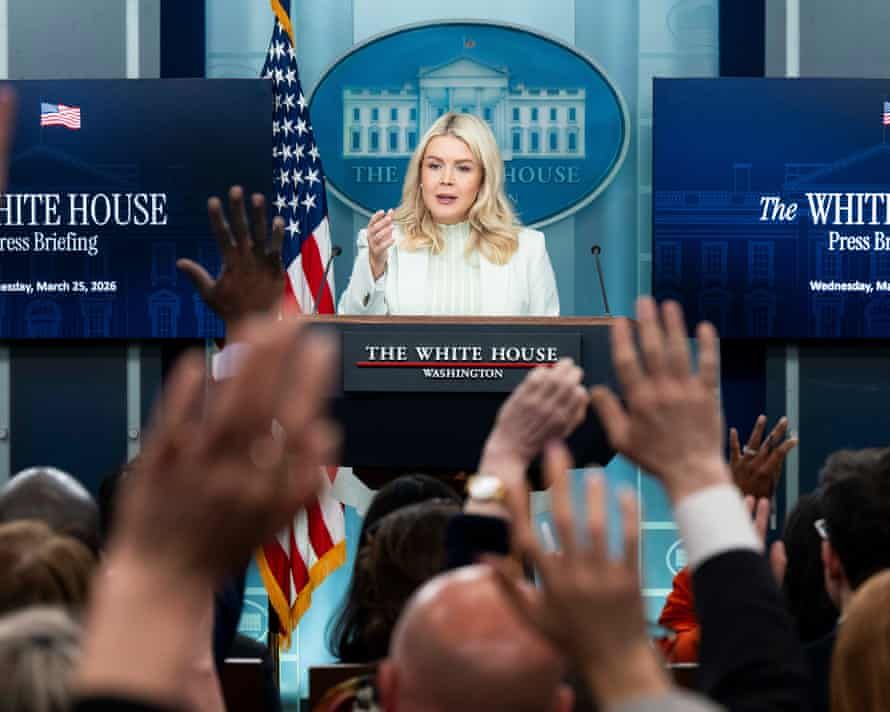
Statements from Washington indicate a belief that Iran may still be willing to negotiate, even if public rhetoric suggests otherwise, pointing to possible backchannel communications.
Meanwhile, military operations have intensified, with continued strikes reported across multiple locations, further complicating efforts to establish a ceasefire agreement.
The conflict has expanded beyond direct engagements, affecting neighboring countries and critical infrastructure, including energy facilities and transport routes.
One major concern remains the strategic waterway of the Strait of Hormuz, through which a significant portion of global oil supply passes.
Iran has emphasized its interest in maintaining control over the strait, making it a central issue in any negotiation framework.
The United States and its allies have expressed concerns about disruptions to global energy markets, as instability in the region drives uncertainty and price volatility.
Regional tensions have also drawn in additional actors, with countries monitoring developments closely and adjusting their security postures accordingly.
Reports indicate that military deployments in the region are increasing, signaling preparations for potential escalation if diplomatic efforts fail.
In parallel, political pressure is mounting within the United States, where public opinion appears increasingly concerned about the scale and duration of the conflict.
Economic consequences are also becoming more pronounced, with rising fuel prices and broader impacts on global markets adding urgency to calls for resolution.
Analysts suggest that both sides are using public messaging strategically, aiming to strengthen negotiating positions while managing domestic and international expectations.
Iran’s leadership has expressed skepticism about negotiations, citing past experiences where talks coincided with military actions against its interests.
This history has contributed to a cautious approach, with officials wary of entering agreements that could expose vulnerabilities or limit strategic flexibility.
At the same time, the United States continues to emphasize its willingness to engage, framing diplomacy as a path toward ending the conflict.
Efforts to broker talks have involved multiple countries, reflecting the broader international concern over the potential for further escalation.
Some reports suggest that face-to-face negotiations could still occur, though no official confirmation has been provided by either side.
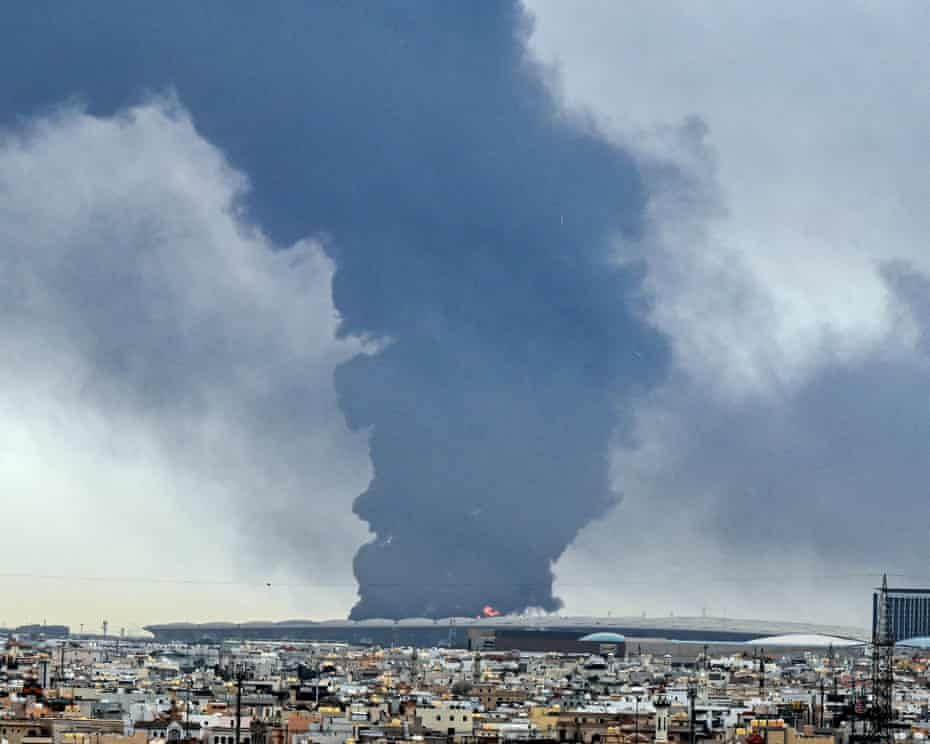
Meanwhile, continued military activity underscores the urgency of diplomatic intervention, as each escalation increases the risks of a wider regional conflict.
The situation has also affected global shipping routes, with concerns about disruptions extending beyond the immediate conflict zone.
Energy markets remain particularly sensitive, with fluctuations reflecting uncertainty over supply and transportation risks.
Despite these challenges, diplomatic actors continue to push for dialogue, hoping to find common ground between opposing positions.
The outcome of these efforts remains uncertain, as both sides maintain firm stances on key issues while leaving limited room for compromise.
Observers note that any successful agreement will likely require concessions from both parties, particularly on security and economic demands.
International organizations have also called for restraint, emphasizing the humanitarian and economic costs of prolonged conflict.
The role of intermediaries remains critical, as direct communication between the United States and Iran appears limited at this stage.
While official statements often reflect hardline positions, behind-the-scenes discussions may offer opportunities for progress.
The coming weeks are expected to be crucial in determining whether diplomacy can succeed or whether the conflict will continue to escalate.
Global attention remains focused on developments, given the far-reaching implications for security, energy markets, and international relations.
As events unfold, the balance between military action and diplomatic negotiation will shape the trajectory of the crisis.
Read also:Trump’s war in Iran exposes US shift from global guardian to arbiter of chaos
For now, both sides appear committed to their positions, even as pressure grows to find a resolution that can bring stability to the region.
About The Author
