

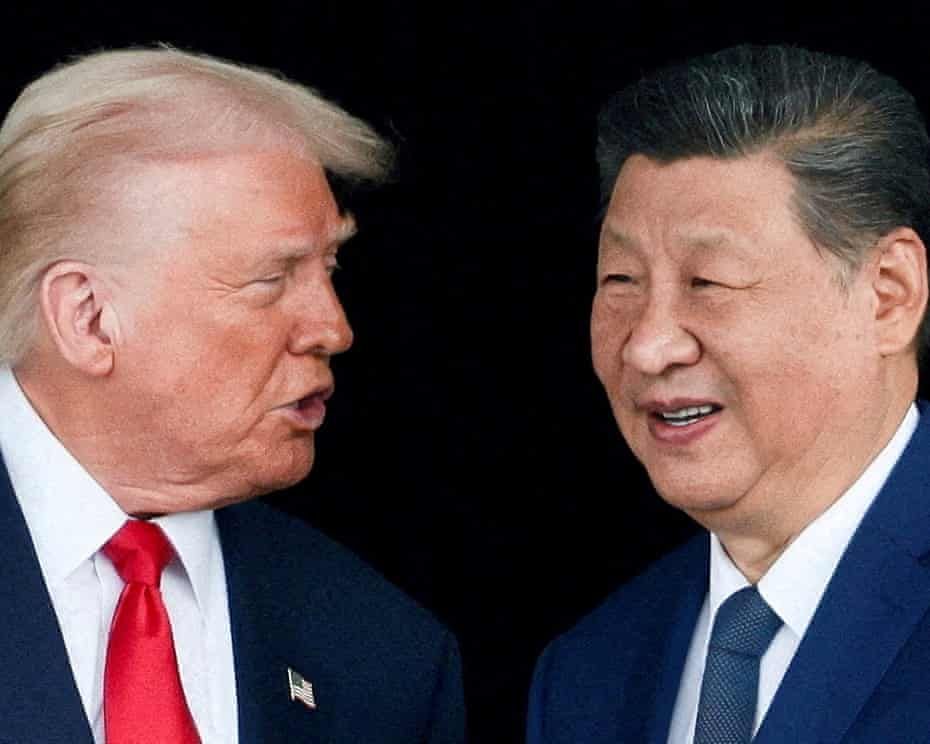
“Trump Xi China trip” has been rescheduled for May after delays linked to the Iran war, with Donald Trump confirming revised plans to meet Xi Jinping in Beijing.
The postponement reflects shifting geopolitical priorities as Washington balances military engagements and diplomatic outreach, highlighting how evolving crises can disrupt carefully planned international engagements between major world powers seeking stability.
Officials indicated preparations are underway for the May meeting, which is expected to combine ceremonial elements with substantive discussions on trade, security, and regional influence across the Asia-Pacific landscape.
The visit will mark the first trip to China by a US president in several years, underscoring the importance both nations attach to maintaining high-level communication despite persistent tensions.
Earlier scheduling had placed the visit sooner, but escalating developments involving Iran required Washington’s attention, forcing adjustments that both sides appear to have accepted without public disagreement.
According to statements, both leaders recognize the strategic value of maintaining dialogue channels, particularly as global markets react to instability and shifting alliances triggered by ongoing conflicts.
The upcoming engagement is expected to revisit agreements previously discussed during earlier meetings, including efforts to stabilize trade relations and prevent further escalation in economic disputes.
Observers note that despite political differences, economic interdependence continues to drive cooperation between the United States and China, particularly in sectors like agriculture, manufacturing, and technology supply chains.
Diplomatic analysts suggest the meeting could produce symbolic agreements aimed at easing tensions, even if deeper structural disagreements remain unresolved in the near term.
One area of focus is likely to include tariffs and trade restrictions, which have been central to disputes between the two countries over recent years.
Legal developments in the United States have also influenced negotiating dynamics, especially regarding executive authority over trade policies and economic measures targeting foreign partners.
Meanwhile, China’s position as a major global economic player continues to shape its responses, particularly in relation to energy imports and international trade routes.
The Iran conflict has introduced additional complexity, given China’s role as a significant buyer of oil and its broader economic ties to the region.
Efforts by Washington to secure cooperation from global energy consumers have met with mixed responses, reflecting differing national interests and strategic priorities.
The timing of the May meeting may depend partly on how the Iran situation evolves, though officials remain cautiously optimistic about maintaining the planned schedule.
Statements from the White House suggest that ongoing military operations remain a priority, but diplomatic engagements will proceed in parallel where possible.
Chinese authorities have offered limited public detail regarding the visit, consistent with their usual approach of confirming schedules closer to actual dates.
Despite limited official commentary, expectations remain high for the meeting, given its potential implications for global stability and economic direction.
Trade negotiations are likely to include discussions on agricultural exports, industrial goods, and technological cooperation, though progress may be incremental rather than transformative.
Another key topic will be regional security, particularly issues involving Taiwan and broader military activity in the Asia-Pacific region.
Recent increases in arms sales and military cooperation have contributed to tensions, making diplomatic engagement even more critical to prevent misunderstandings.
Experts believe both sides will seek to avoid escalation while protecting their strategic interests, leading to cautious but necessary dialogue.
The visit may also include ceremonial events designed to emphasize mutual respect and the importance of sustained engagement between global powers.
Such symbolism often plays a significant role in international diplomacy, helping to create a framework for more substantive negotiations behind closed doors.
In addition to trade and security, climate cooperation could feature in discussions, given the shared global responsibility to address environmental challenges.
However, differing policy approaches may limit the scope of agreements in this area, reflecting broader ideological differences between the two nations.
Economic pressures resulting from global instability have increased the urgency of maintaining stable relations, particularly for international markets sensitive to geopolitical risk.
Financial analysts are closely watching developments, as outcomes from the meeting could influence investor confidence and economic forecasts worldwide.
The relationship between the United States and China remains one of the most consequential in international politics, shaping trends across multiple regions.
While disagreements persist, both countries recognize the importance of avoiding direct confrontation, especially in an interconnected global economy.
The May meeting provides an opportunity to reset dialogue and potentially reduce tensions, even if only temporarily.
Diplomatic sources indicate that both leaders are preparing carefully, with teams working on detailed agendas and potential agreements ahead of the visit.
The success of the meeting will depend largely on the willingness of both sides to compromise and find common ground on key issues.
Public messaging from both governments suggests a cautious but constructive tone, emphasizing the benefits of engagement over conflict.
As the date approaches, global attention will increasingly focus on the outcomes and implications of the high-profile meeting.
International allies and partners are also monitoring developments, given the broader impact on global trade systems and security arrangements.
The evolving situation underscores how interconnected geopolitical events can influence even long-planned diplomatic initiatives.
Ultimately, the meeting represents both a challenge and an opportunity for the United States and China to navigate complex relationships in a changing world.
Whether the discussions lead to meaningful progress remains uncertain, but the importance of continued dialogue is widely acknowledged.
Read also: Thai crude oil tanker passes safely through Strait of Hormuz after negotiations
For now, preparations continue, with both sides aiming to ensure that the rescheduled visit proceeds smoothly and delivers tangible outcomes.
The world will be watching closely as these two major powers engage in discussions that could shape the trajectory of global politics and economics.
More news: Ireport247news
About The Author
