

The “Iran war energy crisis” has reached levels comparable to historic disruptions, with experts warning that its scale now mirrors the devastating oil shocks of the 1970s and recent global conflicts combined.
The “Iran war energy crisis” is rapidly reshaping global markets, as International Energy Agency leadership highlights severe supply disruptions and warns governments initially underestimated the scale of economic fallout and energy instability.
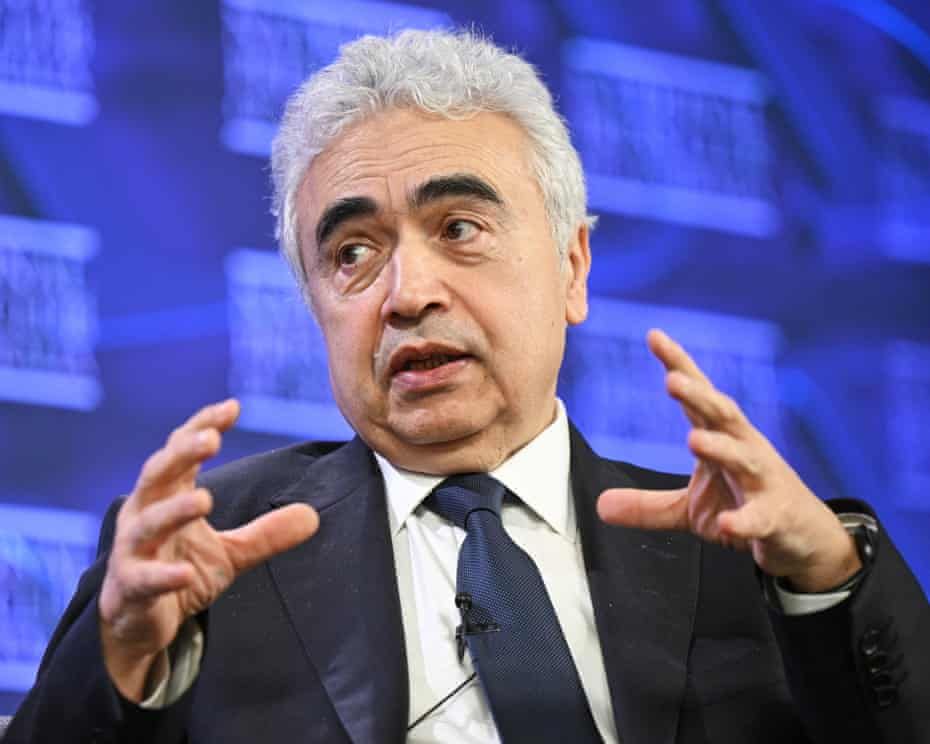
IEA executive director Fatih Birol emphasized that the crisis combines multiple shocks, stating it is effectively “two oil crises and one gas crisis put all together,” highlighting unprecedented strain.
Energy infrastructure damage across the Gulf has intensified the crisis, with at least 40 critical facilities reportedly “severely or very severely damaged,” limiting any quick recovery even if hostilities cease immediately.
Global oil supply disruptions have escalated dramatically, with losses already exceeding 11 million barrels per day, significantly surpassing the combined historical losses recorded during earlier global oil crises periods.
Natural gas markets are equally strained, with approximately 140 billion cubic metres removed from supply chains, worsening energy shortages and driving price volatility across Europe, Asia, and other vulnerable regions.
The closure of the Strait of Hormuz has compounded the crisis, disrupting a vital route responsible for transporting roughly 20 percent of the world’s oil supply, triggering widespread supply chain anxieties.
Birol stressed that reopening the Strait of Hormuz remains “the single most important solution,” underscoring its critical role in stabilizing global energy markets and preventing further economic deterioration worldwide.
Initial global reactions underestimated the severity of the crisis, with policymakers failing to grasp how quickly disruptions to “vital arteries of the global economy” could ripple through industries and economies.
The crisis has affected not just oil but also petrochemicals, fertilizers, sulfur, and helium, highlighting how deeply interconnected global energy systems are with broader industrial and agricultural production chains.
Emergency measures have already been deployed, including the release of 400 million barrels of oil from strategic reserves, described as the largest intervention in the agency’s history.
Despite these efforts, Birol cautioned that such measures “will help to comfort the markets” but are not a long-term solution, only serving to temporarily reduce economic pressure.
Demand-side strategies have also been proposed, including increased remote work, reduced highway speed limits, and lower air travel, aimed at easing consumption during peak crisis periods.
The Asia-Pacific region has been particularly impacted, with supply disruptions hitting major economies reliant on Middle Eastern energy imports, further intensifying regional economic vulnerabilities.
European markets are experiencing diesel and jet fuel shortages, adding pressure to already strained supply systems and raising concerns about broader industrial and transportation disruptions.
Meanwhile, North American production increases, particularly from Canada and Mexico, may provide some relief, though experts warn these gains are insufficient to offset global losses fully.
Geopolitical tensions have escalated alongside the crisis, with threats targeting energy infrastructure further complicating efforts to restore stability and increasing risks of prolonged disruptions.
The crisis began following coordinated strikes on Iranian targets, leading to immediate retaliatory measures that disrupted shipping lanes and heightened military and economic tensions globally.
Energy markets initially showed surplus conditions at the start of 2026, but the sudden escalation quickly reversed this balance, pushing markets into uncertainty and scarcity within weeks.
Global leaders are now engaging in urgent consultations, with discussions focused on coordinated responses, including potential additional releases from strategic oil reserves if conditions worsen.
Birol indicated that only about 20 percent of available emergency reserves have been utilized so far, suggesting further interventions remain possible depending on evolving market conditions.
However, he declined to specify exact triggers for additional releases, stating decisions would depend on continuous monitoring and collaboration with member countries.
There are growing concerns about nations adopting defensive strategies by hoarding fuel supplies, a move that could exacerbate global shortages and deepen the economic crisis further.
Asian countries have already shown signs of such defensive behavior, raising alarms about potential fragmentation in global energy cooperation during a critical period.
The economic impact of the crisis is being felt across multiple sectors, from transportation to agriculture, as rising fuel costs increase production and distribution expenses worldwide.
Developing economies are particularly vulnerable, facing heightened risks due to limited financial capacity to absorb rising energy costs and maintain stable supply chains.
The crisis also underscores the importance of energy diversification, with experts calling for accelerated investment in renewable energy sources to reduce reliance on volatile fossil fuel markets.
However, transitioning to alternative energy systems remains a long-term strategy, offering limited immediate relief in the face of current acute shortages and disruptions.
Short-term solutions remain focused on stabilizing supply routes and restoring damaged infrastructure, both of which depend heavily on geopolitical developments and conflict resolution.
The uncertainty surrounding the conflict’s duration continues to fuel market volatility, with traders reacting sharply to any developments affecting supply routes or production capacity.
Energy prices have surged globally, impacting consumers through higher fuel costs, increased electricity prices, and rising costs of goods and services.
Governments are under pressure to implement policies that shield citizens from the worst effects, including subsidies, tax adjustments, and strategic resource allocations.
Despite these measures, experts warn that prolonged disruptions could lead to a sustained period of economic slowdown and inflationary pressures worldwide.
The comparison to the 1970s oil shocks highlights the severity of the situation, reminding policymakers of the long-lasting economic consequences such crises can trigger.
Unlike past crises, the current situation involves simultaneous disruptions across both oil and gas markets, amplifying its overall impact and complexity.
The integration of global markets today means that disruptions spread faster and more widely, making coordinated international responses more critical than ever before.
Energy security has re-emerged as a top priority for governments, with renewed focus on strategic reserves, supply diversification, and infrastructure resilience.
Read also: Trump 48 hours ultimatum to Iran: ‘Open Hormuz or face obliteration,’ US President warns
The crisis also raises questions about global preparedness, as initial underestimation suggests gaps in early warning systems and coordinated response mechanisms.
Experts continue to stress that resolving the geopolitical conflict remains the most effective way to address the crisis at its root and restore market stability.
Until then, the world faces ongoing uncertainty, with energy markets likely to remain volatile and economies under sustained pressure from supply disruptions.
About The Author
