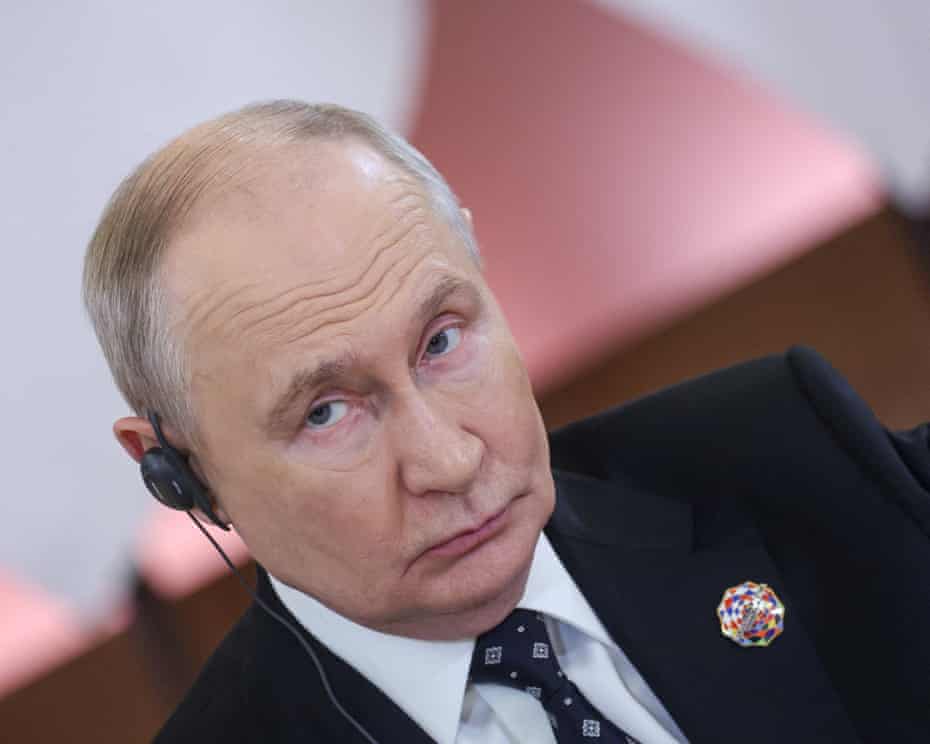
Russian President Vladimir Putin has praised Elon Musk’s genius as Moscow develops its own Starlink rival satellite communications network for military use, seeking an alternative to the American billionaire’s Starlink technology amid the ongoing war against Ukraine.
Putin made the remarks during a summit with African leaders in Moscow, where he compared Musk’s satellite network with Russia’s emerging Rassvet constellation, which is intended to provide communications capabilities for the Russian military.
“Elon Musk is a genius, a true genius,” Putin said, according to Russia’s Tass news agency. “How many of these [satellites] does he have in orbit? More than 5,000, and we’re only taking the first steps.”
The Russian leader’s comments come as Moscow attempts to strengthen its independent military communications infrastructure while the conflict with Ukraine continues to expose the strategic importance of satellite-based internet services.
Putin Acknowledges Starlink’s Satellite Advantage
Musk’s SpaceX operates Starlink, a satellite internet network that provides high-speed connectivity across large parts of the world. The system has become particularly important to Ukraine’s military operations since Russia launched its full-scale invasion.
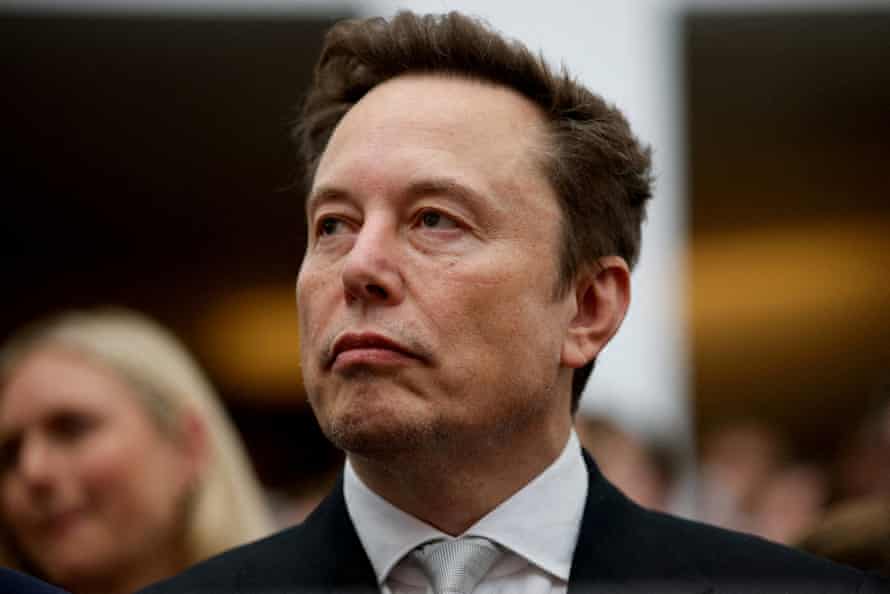
The number of active Starlink satellites is estimated at approximately 10,000, considerably exceeding the current capacity of Russia’s developing satellite network.
Putin acknowledged the gap between the two countries, noting that Russia was only beginning to establish its own satellite constellation.
Moscow has reportedly deployed approximately 26 operational satellites for its alternative system, leaving it significantly behind Starlink in terms of scale and available capacity.
The Russian government’s interest in developing a rival network reflects the growing importance of space-based communications in modern warfare, where reliable connectivity can support battlefield coordination and other military activities.
Starlink Restrictions Spark Ukraine Concerns
Starlink’s role in the war became the subject of renewed controversy in October after restrictions were imposed on military communications services used by Ukraine.
A military version of the satellite technology, known as Starshield, was reportedly restricted during the middle of the month. The move disrupted Ukraine’s ability to conduct certain medium-range drone operations and affected some of its anti-drone air defence capabilities.
Musk initially denied ordering a deliberate reduction in Ukraine’s internet connectivity. However, towards the end of the following week, he said he had closed a loophole through which the civilian Starlink service had been used by military forces.
The episode highlighted Ukraine’s dependence on satellite communications controlled by a private company whose founder maintains close ties with United States President Donald Trump.
It also raised questions about the influence an individual technology executive can exercise over military operations and the broader course of an international conflict.
Putin Says He Is in Contact With Musk
Putin appeared to offer a flattering assessment of Musk while discussing the need for cooperation between countries operating satellite systems.
“We are in close contact with our American partners – including Mr Musk – because it is very important, in orbit, not to get in each other’s way and to maintain a certain level of discipline and order,” the Russian president said.
His remarks suggest that Moscow recognises the importance of maintaining communication with influential figures and organisations involved in satellite technology as Russia expands its own capabilities.
However, the extent and nature of any direct discussions between Putin and Musk were not detailed in the report.
Starlink is not available for ordinary use inside Russia, and Russian forces operating in Ukraine have faced restrictions on accessing the service earlier this year.
Russia’s efforts to develop Starlink rival satellite Rassvet therefore form part of a broader attempt to reduce its reliance on foreign communications infrastructure and establish a network it can control independently.
Zelenskyy Says Starlink Services Have Been Restored
Ukrainian President Volodymyr Zelenskyy announced last week that Starlink and Starshield operations had returned to normal following approximately 10 days of restrictions.
“Starlink and Starshield operations have been restored,” Zelenskyy said, adding that connection speeds were “now where they need to be”.
Despite the restoration, concerns remain over the long-term reliability of Ukraine’s access to satellite services, particularly as relations between Zelenskyy and Trump remain strained.
The situation is unfolding ahead of the United States midterm elections scheduled for next Tuesday, which could influence the political environment surrounding Washington’s approach to the war.
Trump has also maintained contact with Putin. According to the report, the American president agreed to buy diesel from Moscow earlier in October in an effort to reduce oil prices before Americans vote.
The competing diplomatic and military developments have left the future of US involvement in the conflict under continued scrutiny.
Ukraine Hopes for November Peace Talks
Zelenskyy said on Wednesday that he hoped proposed trilateral peace negotiations involving Ukraine, Russia and the United States would take place between 6 and 10 November in Abu Dhabi, the capital of the United Arab Emirates.
“We are waiting for the American side. I think that they’ll be ready with all the answers after the elections,” Zelenskyy said during a press conference in The Hague alongside Dutch Prime Minister Rob Jetten.
The proposed meeting could provide an opportunity to discuss a possible path towards ending the war, although the report did not establish whether the talks had been formally confirmed by all three parties.
The timing places the proposed negotiations shortly after the US midterm elections, which are expected to shape the political atmosphere in Washington.
Britain and the Netherlands Increase Support for Ukraine
While diplomatic efforts continue, Britain has announced an additional £10 billion in financing for Ukraine over the next three years, alongside an immediate £500 million allocation for air defence systems.
Zelenskyy described the British commitment as “a truly strong and very timely step”, adding that Russia needed to see and feel that Ukraine would not be abandoned.
The announcement came as Russia continued attacks against Ukrainian infrastructure, with Kyiv facing particular pressure as winter approaches.
British officials said the new commitments had been communicated directly to Zelenskyy. John Healey, identified in the report as the UK chancellor, said the Ukrainian president had responded by telling them: “You’ve made my day.”
The Netherlands has also pledged €500 million in military support for the winter, together with another €1.2 billion in non-military assistance.
Part of the Dutch funding is intended to support urgent repairs to Ukraine’s utilities and manufacturing facilities, which have suffered damage during repeated Russian attacks.
Russian Attacks Raise Fears of Winter Crisis
Ukraine has faced relentless Russian attacks this autumn as Moscow’s forces have struggled to make significant progress on the eastern frontlines.
Zelenskyy said Russia had launched more than 100 ballistic missiles against Kyiv and the surrounding region since the middle of October.
The attacks reportedly targeted power plants and other critical infrastructure, raising concerns about the potential humanitarian consequences as temperatures fall.
Damage to electricity and utility networks could make the coming winter particularly difficult for civilians, especially if further strikes disrupt heating, water supplies and essential services.
The additional British and Dutch support is intended to help Ukraine strengthen its air defences and maintain critical infrastructure during this period.
Against this backdrop, the contest over satellite communications has become another important dimension of the conflict.
While Ukraine continues to rely heavily on Starlink and Starshield, Russia is attempting to build a competing system that could eventually give its military greater control over its communications.
Putin’s praise of Musk therefore comes at a time when satellite technology has emerged as both a strategic military asset and a source of geopolitical influence.
About The Author